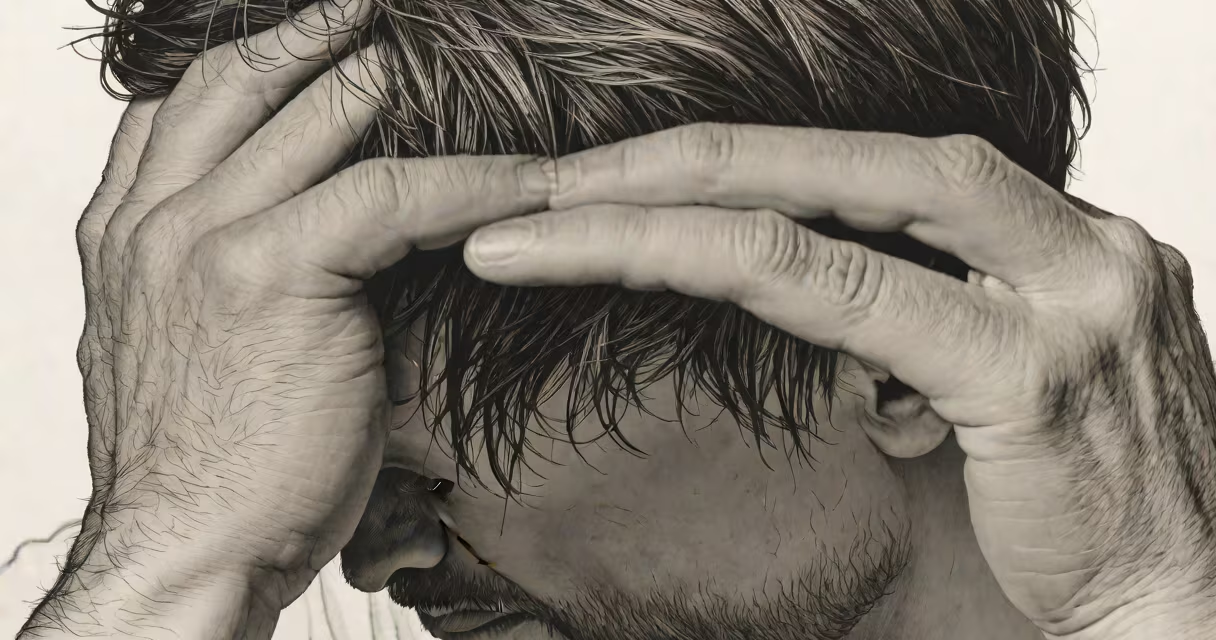
Constant scalp itch is a persistent sensation of irritation or discomfort on the scalp that lasts for days or weeks, often linked to inflammation, infection, or chronic skin disorders rather than temporary dryness or dandruff.
This condition differs from occasional scalp itch caused by shampoo residue or seasonal dryness. Constant scalp itch typically involves recurring or unrelenting discomfort, sometimes accompanied by visible signs such as redness, flaking, or small bumps. It may worsen with stress, certain hair products, or changes in weather.
According to the American Academy of Dermatology, chronic scalp itch affects approximately 1 in 10 adults and is frequently misdiagnosed as dandruff when it stems from deeper inflammatory or neurological causes. The persistence of symptoms beyond two weeks warrants medical evaluation.
The scalp contains over 100,000 hair follicles and a dense network of nerve endings. When irritants or pathogens trigger immune responses in the skin layers, sensory nerves send continuous signals to the brain interpreted as itch. This process is known as neurogenic inflammation.
Common triggers include seborrheic dermatitis, psoriasis, fungal infections like tinea capitis, and allergic contact dermatitis from shampoos or hair dyes. In rare cases, systemic conditions such as thyroid dysfunction or autoimmune disorders contribute to persistent itching.
A 2021 study published in *JAMA Dermatology* found that 63% of patients reporting constant scalp itch had undiagnosed fungal colonization, even without visible scaling. This highlights the importance of clinical testing over self-diagnosis.
Not all constant scalp itch arises from the same root. The following table outlines major categories, their typical symptoms, and diagnostic methods.
| Type | Key Symptoms | Diagnostic Method | Prevalence |
|---|---|---|---|
| Seborrheic dermatitis | Oily flakes, red patches, burning sensation | Skin scraping, visual exam | 10-15% of adults |
| Fungal infection (tinea capitis) | Itchy, scaly patches, hair loss, black dots | Wood's lamp, fungal culture | 1-3% in children; less common in adults |
| Psoriasis | Thick silvery scales, well-defined borders, bleeding if scratched | Biopsy, dermatoscopic imaging | 2-3% of population |
| Allergic contact dermatitis | Localized redness, swelling, blistering after product use | Patch testing | Varies; higher in frequent users of hair treatments |
One non-obvious distinction: itching from fungal infections often begins at the hairline or crown and spreads outward, while psoriasis tends to appear in symmetrical patches. Seborrheic dermatitis usually affects oily zones like the forehead and behind the ears too.
Many assume constant scalp itch is simply "dandruff." But dandruff typically causes mild flaking and intermittent itch, not daily discomfort. Treating it with anti-dandruff shampoos may mask symptoms without resolving the root issue.
Another error is using harsh scrubs or hot water to relieve itch. These can strip natural oils, damage the skin barrier, and increase sensitivity. The National Eczema Association warns that excessive scrubbing leads to a cycle of worsening inflammation and more itching.
I once observed a patient who used a charcoal-based shampoo daily for "detoxing" the scalp. After six months, they developed severe scaling and pain. A biopsy revealed lichenification-thickened, scarred skin from chronic scratching. Switching to a gentle, fragrance-free cleanser reversed the damage within eight weeks.
Constant scalp itch lasting longer than two weeks, especially with visible lesions, hair thinning, or pain, requires evaluation by a dermatologist. Self-treatment with over-the-counter corticosteroids can lead to skin atrophy or secondary infections if used incorrectly.
Specific warning signs include:
Early diagnosis prevents long-term complications such as permanent hair loss or scarring alopecia. Treatment varies: antifungals for tinea, topical steroids for eczema, or biologics for severe psoriasis. Always consult a specialist before starting therapy.