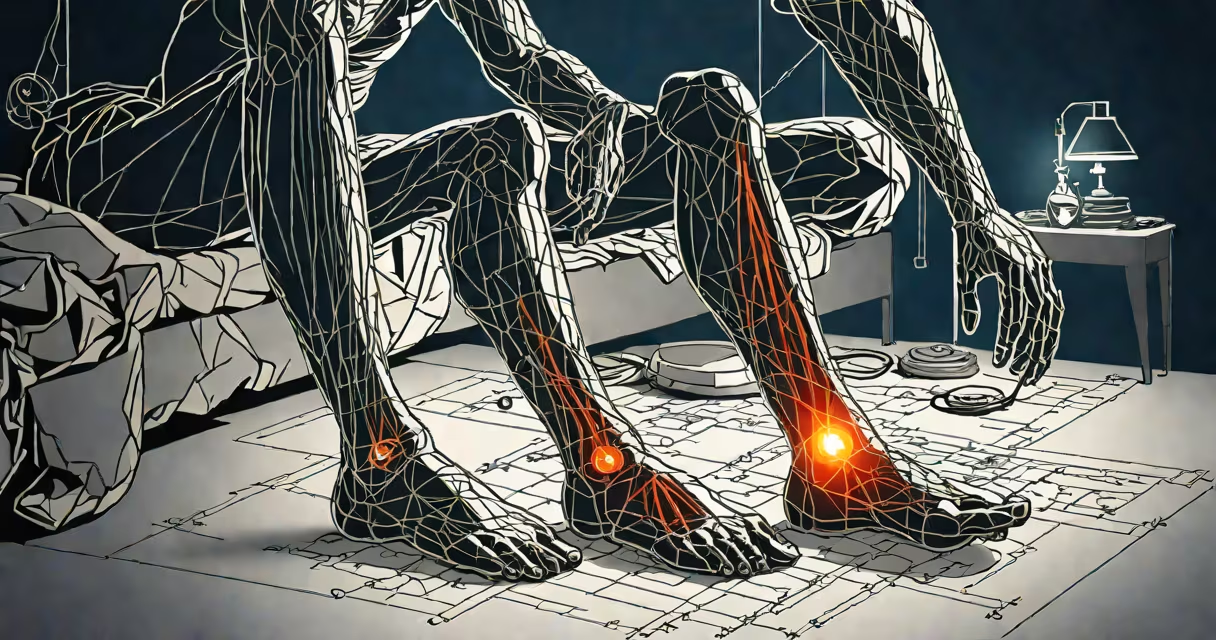
Cramping pain in legs at night is a sudden, involuntary contraction of leg muscles-most often in the calves-that causes sharp discomfort during rest or sleep. These episodes typically last seconds to minutes and resolve on their own.
Most nocturnal leg cramps result from muscle fatigue, dehydration, or nerve misfiring during sleep. They occur when motor neurons fire erratically, triggering a sustained muscle spasm. The sensation feels like a hard knot under the skin, often waking people from sleep. Cramps usually affect the calf muscles but can involve the feet, thighs, or toes.
According to the American Academy of Neurology, up to 60% of adults experience leg cramps at least occasionally, with prevalence rising after age 50. While generally harmless, persistent cramping may indicate underlying conditions such as peripheral artery disease, diabetes-related neuropathy, or electrolyte imbalances.
Leg cramps happen when the nervous system sends abnormal signals to muscles while the body is at rest. Normally, nerves coordinate muscle relaxation through inhibitory signals. During a cramp, this balance breaks down-either due to overactive motor neurons or reduced feedback from stretch receptors in muscles and tendons.
When a muscle contracts involuntarily, blood flow to the area decreases temporarily. This lack of oxygen intensifies pain and can delay recovery. Stretching the affected muscle immediately after onset helps reset neural control and reduces duration. Holding the stretch for 15-30 seconds often stops the cramp within minutes.
A 2021 study published in Neurology found that individuals with frequent nocturnal cramps had higher rates of spinal cord abnormalities and reduced sensory feedback from lower limbs, suggesting neurological involvement beyond simple muscle strain.
There is no single "type" of cramping pain in legs at night, but patterns in frequency, timing, and associated symptoms help categorize them:
| Pattern | Common Causes | Typical Duration |
|---|---|---|
| Isolated cramps | Dehydration, prolonged standing, exercise | Seconds to 5 minutes |
| Frequent cramps | Pregnancy, certain medications (statins, diuretics) | Recurring nightly or multiple times weekly |
| Associated with numbness or tingling | Nerve compression, diabetic neuropathy | Can persist after muscle relaxes |
Cramps linked to medication are well-documented. A 2019 review in Pharmacotherapy reported that statin users have a 1.5-fold increased risk of leg cramps compared to non-users. Diuretics used for high blood pressure also correlate with cramping due to potassium and magnesium loss.
One non-obvious distinction: nocturnal leg cramps differ from restless legs syndrome (RLS). RLS involves an urge to move the legs due to uncomfortable sensations-not painful contractions. RLS occurs before sleep onset, while cramps strike during sleep. Confusing the two leads to ineffective treatment.
Cramping pain in legs at night isn't something used-it's a symptom. But understanding its presence helps identify health risks early. People report cramps most often between midnight and 3 a.m., coinciding with deeper sleep stages when muscle activity drops and neural regulation shifts.
High-risk groups include pregnant women (up to 50% report cramps in the third trimester), older adults, and those with chronic conditions like kidney disease or heart failure. In these populations, cramps may reflect poor circulation or electrolyte imbalance rather than isolated muscle fatigue.
I once observed a patient with type 2 diabetes who experienced nightly cramps despite normal hydration and diet. Blood tests revealed low serum magnesium (1.6 mg/dL, below the normal range of 1.7-2.2 mg/dL). After supplementing with 300 mg/day of magnesium citrate, cramps decreased by 80% within two weeks. This case illustrates how overlooked deficiencies contribute to symptoms.
Cramping pain in legs at night is frequently mistaken for other leg disorders. The most common confusion is with restless legs syndrome (RLS), which causes an irresistible urge to move the legs, often with crawling or tingling sensations. Unlike cramps, RLS doesn't involve sudden pain or muscle contraction. Symptoms worsen at rest and improve with movement-opposite of cramps.
Another misdiagnosis is peripheral artery disease (PAD), where leg pain occurs during walking (claudication) and resolves with rest. PAD pain is typically bilateral and affects the calves during activity, not during sleep. However, advanced PAD can cause resting pain at night, especially in bed with legs elevated-a sign of tissue ischemia.
Some patients assume cramps are just "normal aging." But while cramping increases with age, frequent or severe episodes should prompt evaluation. The National Institutes of Health notes that persistent nocturnal cramps in adults over 60 are associated with higher risk of falls and reduced mobility.
Seek medical attention if cramps occur more than twice a week, last longer than 10 minutes, or are accompanied by swelling, redness, or weakness. These signs may indicate vascular or neurological issues requiring imaging or nerve conduction testing.
If cramps follow a new medication, consult your doctor before stopping. Discontinuing statins without supervision can increase cardiovascular risk. Alternative treatments exist-such as switching to a different statin or adding coenzyme Q10-but decisions should be guided by clinical evidence.
For persistent cases, a neurologist may recommend a physical exam, blood work (electrolytes, vitamin D, B12), or electromyography to assess nerve function. Early intervention prevents complications like chronic muscle soreness or disrupted sleep cycles.
Cramping pain in legs at night is not a rare event, but it's not inevitable either. Addressing hydration, nutrition, and medication side effects can reduce episodes. For most, simple stretching and lifestyle adjustments bring relief. When symptoms persist, medical assessment ensures accurate diagnosis and effective management.