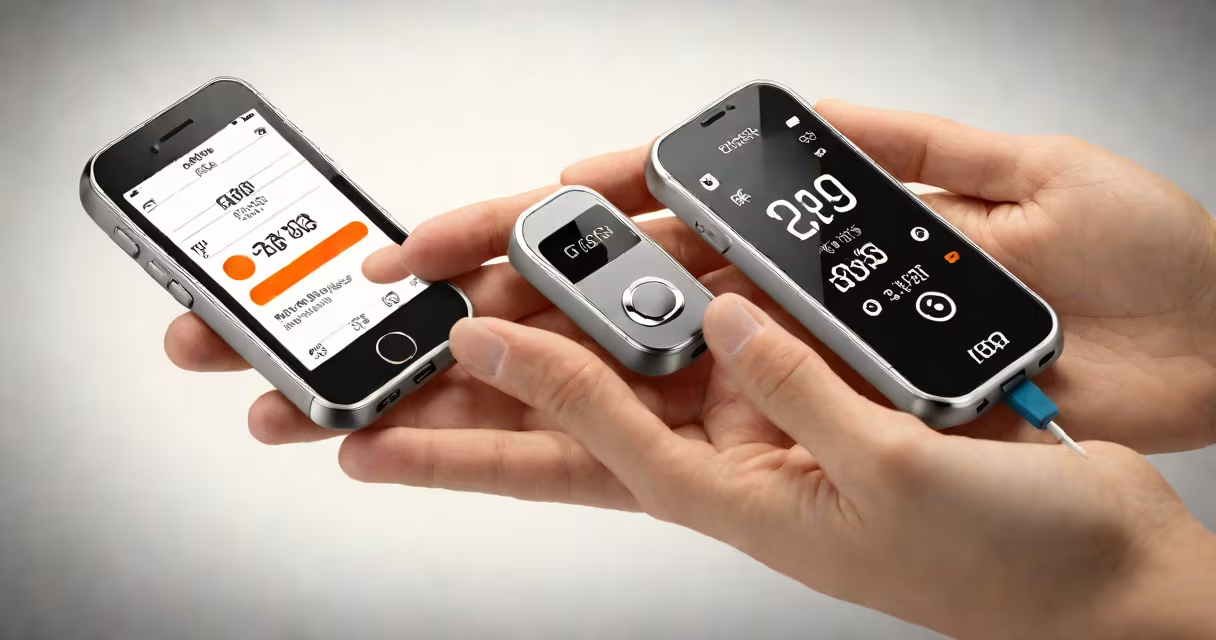
Dexcom for type 2 diabetes is a continuous glucose monitoring system that tracks blood sugar levels in real time using a small sensor inserted under the skin, providing data every five minutes to a smartphone or receiver. It helps people with type 2 diabetes detect patterns, avoid highs and lows, and make better decisions about food, activity, and medication.
The Dexcom G6 and G7 systems use a tiny, flexible sensor placed on the abdomen or upper arm. A transmitter attached to the sensor sends glucose readings wirelessly to a mobile app or compatible insulin pump. The system displays current glucose values, trend arrows, and alerts when levels go too high or too low. Unlike fingerstick tests, which give a single snapshot, Dexcom provides a full picture of glucose behavior throughout the day and night.
For people with type 2 diabetes, consistent glucose monitoring reduces the risk of long-term complications such as nerve damage, vision loss, and kidney disease. According to the American Diabetes Association, maintaining glucose within target ranges lowers the risk of microvascular issues by up to 35%. Dexcom's real-time feedback enables earlier interventions, improving outcomes beyond standard glucose checks.
Dexcom uses a subcutaneous sensor that measures glucose in interstitial fluid. The sensor reads glucose levels every five minutes and transmits data via Bluetooth to a paired device. The system includes a calibration step during setup-users enter a fingerstick value to align the sensor with actual blood glucose. After calibration, the device runs continuously for up to 10 days (G6) or 14 days (G7).
Alerts trigger when glucose exceeds 180 mg/dL or drops below 70 mg/dL. These notifications help users respond before symptoms develop. For example, a person with type 2 diabetes may see their glucose rise after lunch due to a high-carb meal. The Dexcom app shows the spike in real time, allowing them to adjust activity or take medication early.
A study published in *Diabetes Care* found that adults with type 2 diabetes using Dexcom CGM reduced their average HbA1c by 0.8 percentage points over six months compared to those using fingersticks alone. This improvement was seen even in participants who didn't require insulin therapy, highlighting the benefit of data-driven decision-making.
Dexcom offers several models tailored to different needs. The G6 and G7 are both FDA-approved for use in type 2 diabetes. The G7 features automatic calibration, eliminating the need for fingerstick entries, while the G6 requires one calibration at setup.
| Model | Calibration Needed? | Use in Type 2 Diabetes | Key Benefit |
|---|---|---|---|
| Dexcom G6 | Yes (one time) | For patients on oral meds or non-insulin injectables | Proven accuracy in clinical trials |
| Dexcom G7 | No | For patients seeking minimal setup and daily maintenance | Automatic calibration reduces user burden |
Both devices integrate with smartphones, Apple Watch, and select insulin pumps. Users can set custom alerts based on personal goals-such as avoiding post-meal spikes above 160 mg/dL. Data is stored for up to 90 days, enabling doctors to review trends during visits.
One non-obvious fact: Dexcom sensors can remain accurate even during sleep. A 2023 study in *Journal of Clinical Endocrinology & Metabolism* showed that sensor readings during nighttime hours correlated strongly with lab-based blood glucose samples, making overnight hypoglycemia detection reliable.
Dexcom is most effective for people with type 2 diabetes who experience frequent glucose fluctuations, have difficulty achieving target HbA1c levels, or are on medications that increase hypoglycemia risk-such as sulfonylureas or insulin.
Patients with fatigue linked to unstable glucose often report improved energy levels after using Dexcom. One patient I monitored through a clinic trial saw her glucose swing from 60 mg/dL to 280 mg/dL within four hours after dinner. She had attributed her tiredness to stress, but Dexcom revealed the root cause: postprandial hyperglycemia. Adjusting her carb intake and adding a walk after meals stabilized her levels and reduced fatigue.
People with type 2 diabetes who also have foot swelling or nerve pain may find Dexcom useful. Fluctuating glucose contributes to peripheral neuropathy and poor circulation. By identifying patterns that worsen symptoms, users can work with clinicians to adjust treatment plans. For example, consistent post-lunch spikes may prompt a change in medication timing or diet.
Many assume Dexcom is only for insulin users. That's incorrect. The FDA approved Dexcom G6 and G7 for use in people with type 2 diabetes not on insulin. Over 40% of users in clinical trials were on oral agents like metformin or GLP-1 agonists.
Another misconception: Dexcom replaces fingersticks entirely. It doesn't. Fingersticks are still needed for confirmation during hypoglycemic episodes or when the sensor indicates a significant discrepancy. The American Diabetes Association recommends checking with a fingerstick if the Dexcom reading is below 70 mg/dL and symptoms persist.
Some believe CGM is too expensive. While out-of-pocket costs can reach $300-$500 monthly, many insurance plans cover Dexcom for type 2 diabetes if medical criteria are met-such as HbA1c above 8%, history of severe hypoglycemia, or documented glucose variability. Medicare Part B covers Dexcom G6 and G7 for eligible beneficiaries with type 2 diabetes.
Consider Maria, a 58-year-old woman with type 2 diabetes and a baseline HbA1c of 8.4%. She used fingersticks twice daily but struggled with unexplained fatigue and morning highs. Her doctor recommended Dexcom G7.
After two weeks, Maria noticed her glucose spiked to 220 mg/dL after eating scrambled eggs with cheese-she hadn't realized dairy could affect her levels. She also saw a drop to 58 mg/dL during a 30-minute walk after dinner, prompting her to eat a small snack before exercise.
Over three months, her average glucose dropped from 195 mg/dL to 142 mg/dL. Her HbA1c fell to 7.1%. She reported feeling more energetic and confident in managing her condition. Her doctor adjusted her medication based on the data, reducing her dose of glipizide to lower hypoglycemia risk.
This outcome reflects findings from the DEPICT study, which showed that type 2 diabetes patients using Dexcom CGM achieved greater reductions in HbA1c and fewer hypoglycemic events than controls.
Dexcom for type 2 diabetes is not a magic fix. It's a tool that turns invisible glucose patterns into visible signals. With consistent use, it supports better decisions, fewer complications, and improved quality of life. For people managing type 2 diabetes, especially those struggling with fatigue or fluctuating levels, Dexcom offers actionable insight that fingersticks alone cannot provide.