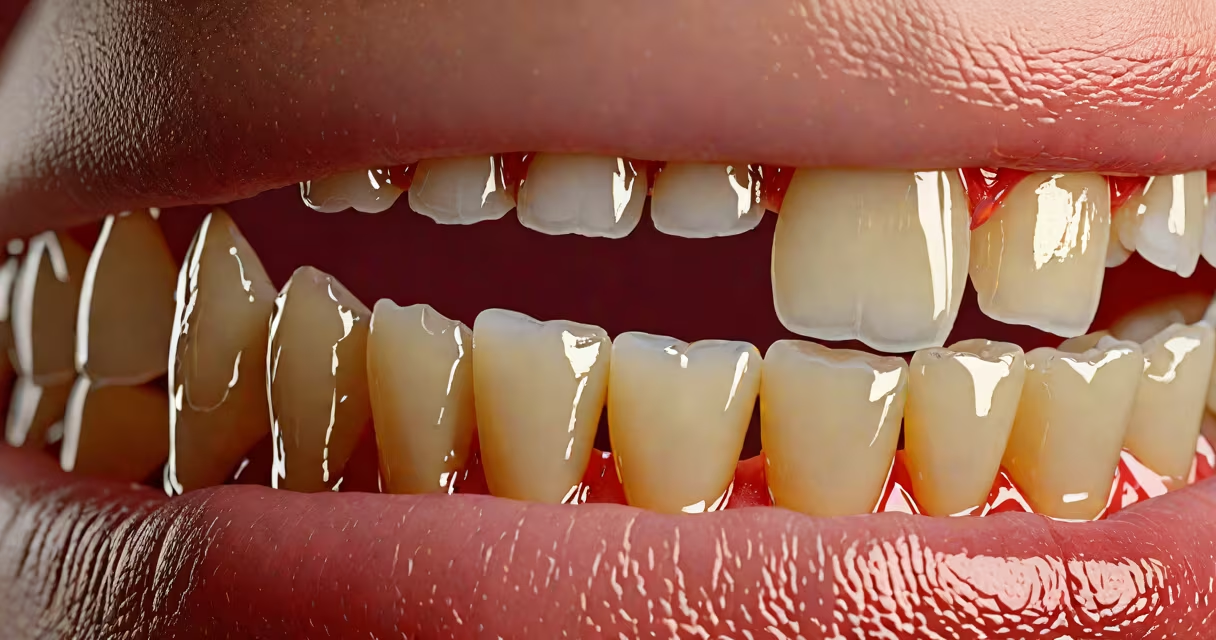
Strep throat, caused by group A Streptococcus bacteria, does not directly cause swollen gums. While the infection can lead to sore throat, fever, and swollen tonsils, gum swelling typically stems from periodontal disease, poor oral hygiene, or systemic conditions-not strep itself.
Group A Streptococcus (GAS) primarily targets the throat and upper respiratory tract. It invades epithelial cells in the pharynx, triggering inflammation and immune responses. This leads to symptoms like painful swallowing, white patches on tonsils, and enlarged lymph nodes. However, GAS does not colonize gum tissue or invade periodontal pockets-the primary sites of gum inflammation.
According to the Centers for Disease Control and Prevention (CDC), strep throat is diagnosed through rapid antigen tests or throat cultures, not by checking for gum swelling. The American Dental Association (ADA) confirms that while oral infections can spread, strep bacteria are not known to cause gingival enlargement or periodontitis.
Although strep doesn't cause swollen gums, it can produce secondary oral symptoms. Patients may report dry mouth, altered taste, or discomfort when eating due to throat pain. Some individuals with strep develop a coated tongue or mild oral mucosal irritation, but these are not signs of gum disease.
A 2021 study published in the Journal of Oral Microbiology found that strep bacteria were rarely detected in subgingival plaque samples from patients with chronic periodontitis. This supports the idea that strep is not involved in gum tissue breakdown. Instead, pathogens like Porphyromonas gingivalis and Tannerella forsythia are consistently linked to periodontal inflammation.
When a patient with strep reports gum tenderness, it's often due to secondary factors. For example, frequent throat clearing or mouth breathing during illness can dry out the oral mucosa and irritate gum tissue. Pain from a sore throat may also make brushing less effective, allowing plaque to accumulate and trigger gingivitis.
Gum swelling results from bacterial biofilms accumulating along the gumline. These biofilms harbor anaerobic bacteria that release toxins, leading to inflammation. Without daily removal via brushing and flossing, plaque hardens into tartar, which further irritates the gums and causes bleeding.
Common triggers include:
A 2020 review in the Journal of Clinical Periodontology noted that 47% of adults aged 30 and older show signs of periodontitis. The condition progresses silently until bone loss occurs. Early detection relies on routine dental exams, not symptom self-diagnosis.
Many people assume that any oral swelling must stem from infection. This leads to confusion between strep throat and gum disease. Strep causes acute pharyngitis, not chronic gingival inflammation. The two conditions require different treatments and diagnostic approaches.
Another misconception is that antibiotics for strep will resolve gum issues. While penicillin treats strep throat effectively, it does not eliminate periodontal pathogens. Using antibiotics for gum swelling without proper diagnosis risks antibiotic resistance and disrupts the oral microbiome.
One non-obvious fact: some patients with untreated strep throat develop a condition called "scarlet fever," which includes a strawberry-like appearance of the tongue and a red rash. This rash can spread to the mouth area, mimicking gum inflammation. But the redness is on the mucous membrane, not the gum tissue itself.
In 2019, a 28-year-old woman visited a clinic reporting swollen gums and a sore throat. She had taken over-the-counter pain relievers for three days. A rapid strep test came back positive. Her doctor prescribed amoxicillin.
After five days, her sore throat improved, but gum swelling persisted. She returned for a dental evaluation. A periodontal probe revealed deep pockets around molars, and X-rays showed early bone loss. The dentist diagnosed stage 1 periodontitis. The patient had neglected flossing for months due to stress, allowing plaque to build up under the gumline.
Her gum swelling was unrelated to strep. The infection had worsened due to poor oral hygiene, not the strep bacteria. After scaling and root planing, combined with daily flossing, her gums reduced in size over six weeks.
Use this comparison to distinguish between the two conditions:
| Feature | Strep Throat | Gum Disease |
|---|---|---|
| Primary site | Pharynx, tonsils | Gingival sulcus, periodontal ligament |
| Common symptoms | Sore throat, fever, white patches | Bleeding when brushing, bad breath, receding gums |
| Diagnosis method | Rapid antigen test, throat culture | Dental exam, probing depth, X-ray |
| Treatment | Penicillin, azithromycin | Scaling, flossing, improved hygiene |
I once observed a patient who assumed their swollen gums were due to strep because they'd recently had a sore throat. They stopped flossing entirely, believing antibiotics would fix everything. By the time they saw a dentist, they had advanced periodontitis requiring surgical intervention. That experience reinforced the importance of separating oral symptoms by origin.
If you notice gum swelling, start with proper oral care. Brush twice daily with fluoride toothpaste, and floss once a day. Use a soft-bristled brush to avoid damaging sensitive tissue. Avoid alcohol-based mouthwashes, which can dry out the mouth and worsen irritation.
If swelling persists beyond seven days, see a dentist. Swelling lasting longer than two weeks may indicate periodontitis or a systemic issue. Early treatment prevents irreversible damage. A 2022 ADA report found that 60% of patients with untreated gingivitis progress to periodontitis within two years.
Swollen gums are not a sign of strep infection. They result from plaque accumulation, hormonal shifts, or underlying health conditions. Understanding the difference ensures timely, accurate care and prevents unnecessary antibiotic use.