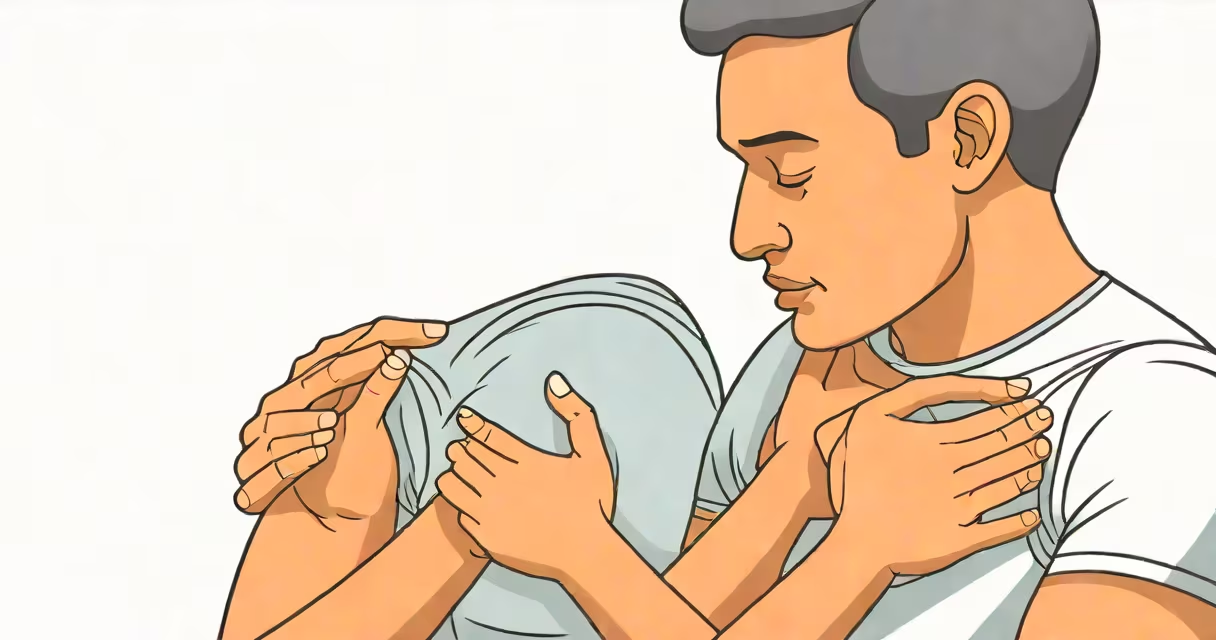
Lung pain-often described as sharp, stabbing, or pressure-like-is typically caused by irritation of the pleura, the thin membrane lining the lungs and chest cavity. It's not the lung tissue itself that hurts, since lungs lack pain receptors; the sensation arises from surrounding structures. Pain may worsen with breathing, coughing, or lying on one side.
The sensation of lung pain is usually not localized to the lung tissue. Instead, it results from inflammation or injury to the pleura, ribs, muscles, or nerves in the chest wall. Common triggers include infection, trauma, or referred pain from internal organs. For example, a viral illness can cause pleurisy, leading to sharp pain during inhalation. A rib fracture from a fall or impact can mimic lung pain due to nerve involvement.
When pain occurs during breathing, especially deep breaths, it often points to pleuritic origin. This type of pain is sharp and localized, frequently worsening with inspiration. If the pain is constant and dull, it may stem from deeper issues such as pneumonia, pulmonary embolism, or even heart-related conditions like pericarditis. The location of the pain-left or right side, upper or lower chest-can offer clues to the underlying cause.
Pain signals originate in sensory nerves, not the lung tissue. The lungs themselves have no nociceptors (pain-sensing cells). Instead, pain is generated when the pleura becomes inflamed or stretched. During inhalation, the diaphragm contracts and the rib cage expands, increasing pressure on the pleural surfaces. If these surfaces are irritated, the brain interprets the signal as pain.
For example, a patient with acute pleurisy due to a bacterial infection may report sudden onset of sharp pain on one side of the chest that intensifies when taking a deep breath. The body responds by limiting movement to reduce discomfort-this is why people often adopt a hunched posture or breathe shallowly. In severe cases, pain can trigger anxiety, rapid breathing, or even fainting due to hyperventilation or fear-based physiological responses.
Chronic lung pain may indicate ongoing inflammation or structural damage. Conditions like interstitial lung disease or autoimmune disorders such as lupus can cause persistent pleuritic pain. These cases often involve immune system attacks on lung tissues, leading to scarring and reduced elasticity. Over time, this impairs gas exchange and increases work of breathing, which further amplifies discomfort.
Not all chest pain is cardiac. While heart attacks are life-threatening, they typically present with pressure, heaviness, or tightness rather than sharp, localized pain. Lung-related pain differs in quality and timing. Below are the most frequent causes:
| Type | Characteristics | Typical Triggers | Source |
|---|---|---|---|
| Pleuritic pain | Sharp, stabbing; worsens with breathing | Viral/bacterial infection, pulmonary embolism | Mayo Clinic |
| Referred pain | Dull, aching; may radiate to shoulder or back | Hiatal hernia, gallbladder disease, pancreatitis | NCBI |
| Pneumonia | Dull ache, fever, productive cough | Bacterial or viral lung infection | CDC |
| Pulmonary embolism | Sudden onset, sharp, may include shortness of breath | Blood clot in lung artery | CDC |
A non-obvious distinction: pleuritic pain is often misdiagnosed as cardiac. But unlike heart attack pain, which may radiate to the jaw or arm, pleuritic pain stays localized to the chest wall and changes with position. Lying on the affected side often reduces pain, while moving or breathing deeply increases it.
One case study from the Journal of Emergency Medicine involved a 34-year-old woman who reported sharp left-sided chest pain that worsened with deep breaths. Initial EKG showed no ischemia. CT scan revealed a small pulmonary embolism. She was treated with anticoagulants and recovered within five days. This illustrates that lung pain isn't always infectious-it can be vascular.
Not all lung pain requires emergency care, but certain red flags demand immediate evaluation. Seek urgent treatment if pain is sudden, severe, or accompanied by:
I once observed a patient in the ER who dismissed his sharp right-side chest pain as "just muscle strain." He had been bedridden for three days after knee surgery. On exam, he had decreased breath sounds and a low oxygen saturation. A CT angiogram confirmed a pulmonary embolism. Early intervention prevented fatal complications.
Some patients delay care due to fear of overreaction. But untreated conditions like pneumonia can progress to sepsis. Pulmonary embolism carries a 10% mortality rate if not diagnosed early. Even mild pleurisy can lead to pleural effusion-fluid buildup-requiring drainage.
Lung pain is not the same as asthma or COPD flare-ups. While both involve breathing difficulty, asthma causes wheezing and airway constriction, not sharp chest pain. COPD leads to chronic breathlessness and cough, but pain is rare unless complicated by infection or pneumothorax.
Another misconception: pain in the lower right chest is always liver-related. While liver disease can refer pain to the right shoulder or upper abdomen, it doesn't cause pleuritic chest pain. True lung pain is linked to respiration, not digestion.
People often confuse lung pain with anxiety-related chest tightness. Anxiety can cause hyperventilation, muscle tension, and perceived pain. But anxiety-induced pain tends to be diffuse, not sharp or localized. It often improves with slow breathing or reassurance-unlike pleuritic pain, which persists regardless of mental state.
If you're unsure whether your pain stems from the lungs, consider this: if the pain worsens when you take a deep breath and stops when you hold your breath, it's likely pleuritic. If it remains unchanged with breathing, it may be musculoskeletal or referred.
Understanding what happens if your lung hurts begins with recognizing that the symptom is a signal-not a diagnosis. It reflects underlying processes in the chest wall, lungs, or nearby organs. Accurate interpretation depends on context: timing, location, associated symptoms, and medical history. Always consult a healthcare provider when pain is new, severe, or unexplained.