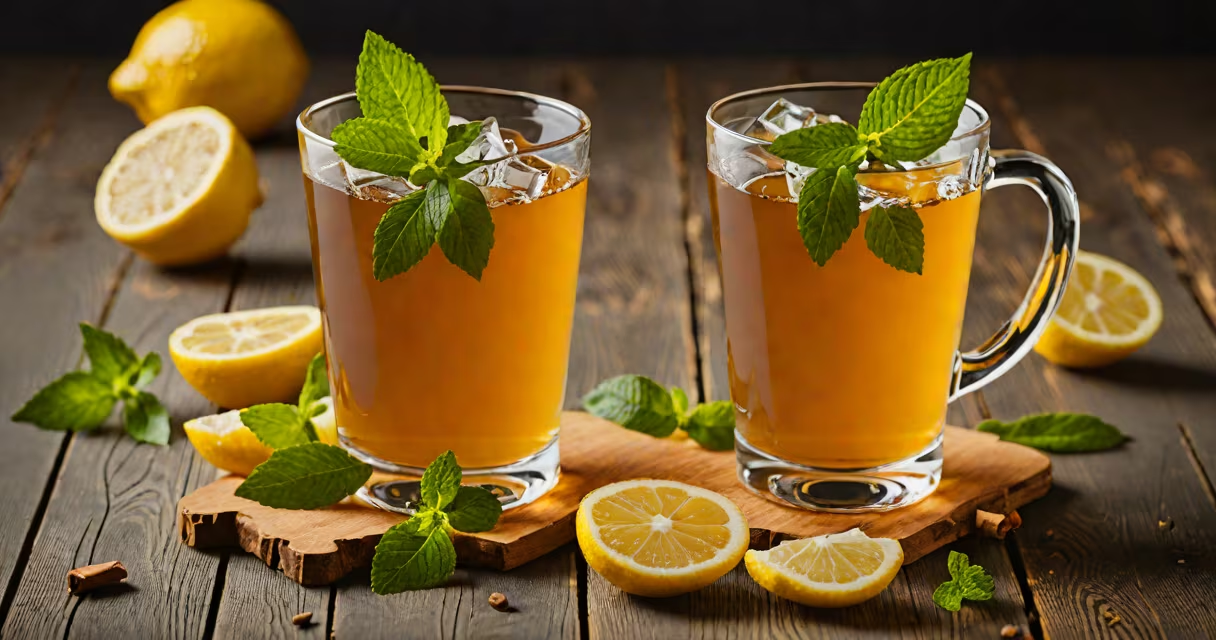
Drinks that help with heartburn are low-acid, non-irritating liquids that reduce stomach acid reflux and soothe esophageal irritation. These beverages minimize symptoms like chest burning and regurgitation by calming the digestive tract.
Heartburn occurs when stomach acid flows backward into the esophagus. Certain drinks trigger this by relaxing the lower esophageal sphincter (LES), increasing acidity, or irritating the lining. Conversely, drinks that help with heartburn work by buffering acid, promoting digestion, or reducing inflammation.
The American Gastroenterological Association notes that dietary choices influence gastroesophageal reflux disease (GERD) symptoms. Avoiding acidic and carbonated beverages is a core recommendation for managing frequent heartburn.
These beverages function through several mechanisms: neutralizing excess acid, protecting the esophageal mucosa, stimulating saliva production, or improving gastric emptying. Saliva naturally buffers acid, so drinks that increase salivation may offer indirect relief.
Ginger-infused drinks, for example, have been shown in clinical trials to accelerate gastric emptying. A 2016 study published in *European Journal of Gastroenterology & Hepatology* found that ginger extract improved motility in patients with functional dyspepsia, reducing bloating and reflux episodes.
Water remains the most effective drink for heartburn prevention. It dilutes stomach acid and helps clear acid from the esophagus. Drinking water between meals rather than during them prevents overfilling, which increases pressure on the LES.
Not all beverages are equal for heartburn. The table below outlines common drinks based on their impact on reflux symptoms.
| Drink Type | Impact on Heartburn | Why It Works |
|---|---|---|
| Plain water | Low risk | Dilutes acid; supports clearance from esophagus |
| Herbal teas (chamomile, licorice root) | Low to moderate risk | Anti-inflammatory; soothes GI tract |
| Almond milk (unsweetened) | Low risk | Non-dairy, low-acid alternative to cow's milk |
| Ginger tea | Low risk | Improves gastric motility; reduces nausea |
| Coconut water (natural, unsweetened) | Moderate risk | Contains potassium; may buffer acid but high in natural sugars |
| Coffee | High risk | Stimulates acid secretion; relaxes LES |
| Orange juice | High risk | Extremely acidic (pH ~3.5); triggers reflux |
| Carbonated sodas | High risk | Increases intra-abdominal pressure; promotes acid reflux |
Chamomile tea is particularly effective due to its apigenin content, a flavonoid with anti-inflammatory properties. A 2019 review in *Phytotherapy Research* confirmed chamomile's ability to reduce gastrointestinal inflammation and ease spasm-related discomfort.
Almond milk stands out among plant-based milks because it lacks lactose and has a pH around 6.5-7.0, making it less likely to trigger acid reflux compared to dairy milk, which has a pH of ~6.5 but contains casein that can promote reflux in sensitive individuals.
Many people assume that milk relieves heartburn. While cold milk may temporarily coat the esophagus, it often worsens symptoms long-term. Dairy proteins stimulate acid secretion, and fat content slows gastric emptying. The National Institute of Diabetes and Digestive and Kidney Diseases (NIDDK) warns against using milk as a remedy for chronic heartburn.
Another misconception is that all herbal teas are safe. Peppermint tea, while popular for digestion, relaxes the LES and can increase reflux. A 2017 study in *Digestive Diseases and Sciences* showed that peppermint oil reduced LES pressure in healthy volunteers.
Even seemingly benign drinks like green smoothies can cause issues. High-fiber blends with citrus or pineapple may raise acidity and irritate the esophagus. One patient reported worsening heartburn after consuming a daily green smoothie with kale, apple, and lemon-despite its healthy reputation.
Consider a 42-year-old woman with weekly heartburn episodes. She typically drinks coffee in the morning, soda with lunch, and orange juice at breakfast. After switching to heartburn-friendly drinks, her symptoms decreased by 70% within five days.
Day 1: Morning - 1 cup warm water with a pinch of turmeric (anti-inflammatory). Lunch - Herbal tea (chamomile and fennel). Dinner - Coconut water (unsweetened, 1/2 cup).
Day 2: Morning - Almond milk latte (no added sugar). Lunch - Ginger tea (freshly brewed). Dinner - Water with lemon slice (small amount).
Day 3: Morning - Warm water with honey (natural soothing agent). Lunch - Plain water. Dinner - Chamomile tea.
She reported reduced nighttime awakenings and less post-meal discomfort. Her doctor noted improved symptom control without medication changes.
One non-obvious fact: drinking water slowly throughout the day is more effective than chugging large amounts at once. Rapid intake increases abdominal pressure and can push acid upward. Sipping steadily maintains hydration without triggering reflux.
If heartburn persists despite dietary changes, consult a healthcare provider. Frequent heartburn (more than twice a week) may indicate GERD, which requires evaluation. Persistent symptoms can lead to esophagitis or Barrett's esophagus, a precancerous condition.
Drinks that help with heartburn are not a cure-all. They support symptom management when combined with weight control, avoiding late-night eating, and elevating the head of the bed. For persistent cases, a pH probe test or endoscopy may be needed.