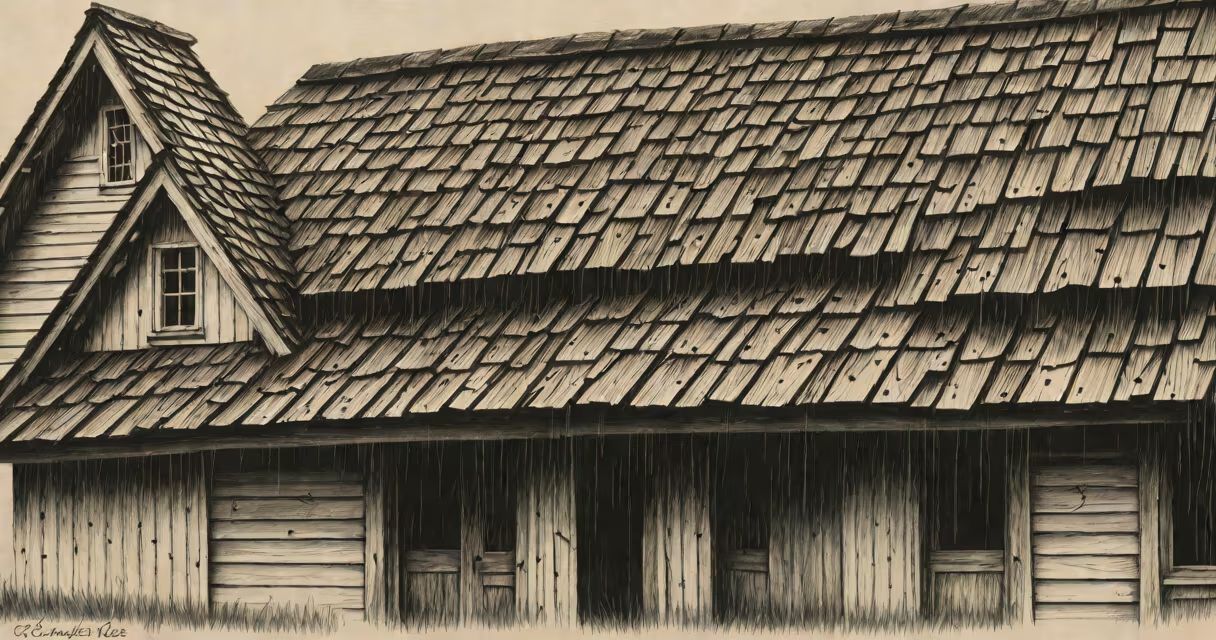
Ecclesiastes 10:18 states that "because of laziness the roof collapses, and through indolence the hands refuse to work." It uses physical decay as a metaphor for moral and practical failure resulting from inaction.
The verse appears in a section of Ecclesiastes focused on wisdom, folly, and the consequences of poor choices. It follows a series of proverbs contrasting wise behavior with foolishness, emphasizing that decisions have tangible outcomes. The speaker, traditionally attributed to King Solomon, reflects on life's impermanence and the cost of neglect.
Within the book's larger structure, Ecclesiastes 10:18 fits into a pattern where abstract principles are illustrated through vivid imagery. Here, the collapsing roof is not a literal warning about home maintenance-it's a symbolic representation of how lack of effort erodes stability in relationships, responsibilities, and personal integrity.
Laziness is not merely idleness-it's the refusal to act when action is needed. The Hebrew word for laziness, *shet* (שֵׁט), implies negligence or carelessness, especially in duties that affect others. The collapse of the roof is not sudden; it results from prolonged avoidance of repair.
This is not a one-time failure. It's cumulative. A single missed nail or unshingled patch doesn't cause collapse overnight. But over time, small omissions compound. The roof fails not because of a storm, but because of prior inattention. Similarly, personal failures-missed deadlines, ignored relationships, unaddressed debts-often stem from gradual neglect rather than a single bad decision.
A modern analogy: a software team that skips routine code reviews may avoid immediate problems, but over months, technical debt accumulates. Eventually, a minor update causes system-wide failure. The collapse wasn't unexpected-it was predictable, preventable, and caused by consistent inaction.
The verse is written in poetic parallelism, a sign of Hebrew wisdom literature. The second clause reinforces the first: laziness leads to collapse, and idle hands prevent productive work. Both ideas point to the same root problem-failure to engage with responsibility.
"The roof collapses" is a concrete image drawn from daily life in ancient Israel. Houses were often built with flat roofs made of wood beams, mud, and stone. Rain damage was common. Maintenance was essential. A neglected roof didn't just leak-it could fail entirely, endangering lives.
Modern translations reflect this: the NIV says "because of laziness the roof sinks in," while the ESV renders it as "laziness brings on the collapse of the house." The verb "sinks in" suggests slow deterioration, not sudden disaster. The damage is visible only after months of delay.
Many interpret Ecclesiastes 10:18 as a call to productivity or time management. That's incomplete. The verse isn't about being busy-it's about being responsible. You can be active and still negligent. A person who checks emails constantly but never follows through on commitments is not productive; they're distracted.
Another error is treating the verse as a blanket condemnation of rest. Scripture affirms Sabbath rest (Exodus 20:8-11). Jesus healed on the Sabbath (Luke 13:10-17). The issue isn't rest-it's the misuse of rest as an excuse for avoidance. Laziness is not fatigue; it's intentional inaction despite obligation.
Some assume the verse applies only to material possessions. But the metaphor extends to spiritual and relational domains. A marriage neglected over years-no communication, no conflict resolution-will eventually collapse. So will a friendship left unattended. The roof is not just wood and tile; it's trust, care, and attention.
Preachers cite Ecclesiastes 10:18 during sermons on stewardship, accountability, and personal discipline. It appears in Bible study guides for small groups focusing on Proverbs-style wisdom. Its brevity makes it memorable, and its imagery is universally relatable.
For example, a church leadership team reviewing their volunteer coordination process might reference this verse when discussing why outreach programs stalled. The issue wasn't lack of vision-it was lack of follow-through. One person promised to handle logistics, then disappeared. The project failed not from poor planning, but from unfulfilled duty.
Academic sources confirm the verse's role in wisdom literature. The New Interpreter's Bible notes that Ecclesiastes uses "concrete images to convey abstract truths," and the collapsing roof is a prime example. The NIV Study Bible adds that the verse illustrates "the inevitable consequence of neglecting duty."
| Type of Neglect | Example | Outcome |
|---|---|---|
| Physical | Ignoring a leaking roof for six months | Structural damage, mold, loss of property value |
| Relational | Not responding to a friend's distress call | Broken trust, severed relationship |
| Financial | Failing to pay a recurring bill | Service cutoff, credit score drop |
| Spiritual | Skipping prayer and reading for weeks | Diminished connection to faith, reduced resilience |
Each type shows how delayed action leads to irreversible decline. The roof doesn't fall in one storm-it weakens over time, unnoticed until too late.
In 2019, a congregation in rural Ohio launched a food pantry initiative. Volunteers signed up to collect donations weekly. After three months, participation dropped. No one reported issues. No one checked in. The coordinator assumed everything was fine.
By month six, the pantry had no supplies. The fridge was empty. The storage room was dusty. A member finally asked, "Who's responsible?" No one stepped forward. The program had collapsed-not from a crisis, but from silence and inaction.
This mirrors Ecclesiastes 10:18. The roof didn't fail because of a storm. It failed because no one climbed the ladder to fix the shingles. The damage was invisible until it was too late.
I once volunteered with a community garden project. One plot was abandoned after the original caretaker stopped showing up. We assumed someone else would take over. Months passed. Weeds choked the soil. The beds were unusable. The lesson wasn't about gardening-it was about ownership. If no one acts, nothing remains.
Ecclesiastes 10:18 connects to other passages in the book. Ecclesiastes 10:16-17 warns that rulers who indulge in laziness bring national ruin. Ecclesiastes 11:9-10 urges youth to "rejoice in your youth," but also to "remember your Creator," implying that joy without discipline leads to downfall. The two verses together show balance: energy must be directed, not wasted.
Ecclesiastes 10:18 is not a warning about occasional laziness. It's a diagnosis of systems that fail due to sustained inattention. The roof collapses not because of a single flaw, but because no one showed up to fix the small cracks. The message is clear: responsibility requires presence. And presence demands action.