NextEra Energy Inc (NEE) is a Fortune 500 electric utility holding company headquartered in Juno Beach, Florida. It operates through subsidiaries including Florida Power & Light and NextEra Energy Resources, delivering electricity and developing renewable energy projects across the United States.
The company generates power primarily through wind and solar facilities, making it the largest producer of renewable energy in North America. As of 2023, NextEra Energy owned or operated over 50 gigawatts of clean energy capacity, including more than 40,000 megawatts of solar and wind assets. This scale positions it as a central player in the nation's decarbonization efforts.
NextEra Energy Inc (NEE) trades on the New York Stock Exchange under the ticker symbol NEE. Its stock is a core holding in many index funds and ETFs, particularly those tracking the S&P 500. The company pays a quarterly dividend, which has increased annually since 2006, reflecting consistent earnings growth and financial stability.
NextEra Energy Inc functions as a parent company overseeing regulated utilities and unregulated energy development. The regulated segment includes Florida Power & Light (FPL), which serves nearly 5 million customers in Florida. FPL owns and maintains transmission and distribution infrastructure, charges rates approved by state regulators, and earns returns based on capital investments.
The unregulated segment, NextEra Energy Resources, develops, owns, and operates renewable energy projects. These include utility-scale solar farms and wind installations in states such as Texas, California, and Iowa. Projects are sold to utilities or long-term power purchase agreements (PPAs), generating stable revenue streams independent of local regulatory approvals.
A key operational advantage lies in the company's ability to deploy capital rapidly. Between 2018 and 2022, NextEra Energy Resources added over 10 gigawatts of new wind and solar capacity. This pace exceeds that of most major energy firms, driven by proprietary project development tools and experienced engineering teams.
NextEra Energy Inc is structured around two primary business units: regulated utilities and renewable energy development. The regulated side accounts for roughly 70% of total revenue, while the unregulated segment contributes about 30%. This mix provides income stability from predictable utility billing alongside growth potential from expanding clean energy portfolios.
Financially, the company relies on long-term debt and equity financing. As of Q1 2023, NextEra Energy had a net debt-to-EBITDA ratio of 3.4x, below the industry average for utility companies. Its investment-grade credit rating (BBB from S&P) enables access to low-cost capital, supporting large-scale infrastructure projects.
Geographically, NextEra Energy Inc operates in 26 U.S. states. Florida remains its largest market, contributing over 40% of total revenue. Texas follows closely due to high wind resource availability and favorable renewable policies. The company also holds stakes in offshore wind projects in the Atlantic Ocean, including a 100-megawatt pilot project off the coast of Massachusetts.
| Business Segment | Primary Function | Revenue Share (2022) | Key Markets |
|---|---|---|---|
| Regulated Utilities | Electricity delivery via state-approved rate structures | ~70% | Florida, New Jersey, New York |
| Unregulated Energy | Renewable project development and sale | ~30% | Texas, California, Iowa, offshore Atlantic |
NextEra Energy Inc is used by investors seeking exposure to clean energy growth and utility sector stability. Its stock is included in major indices such as the S&P 500, MSCI USA Index, and the Nasdaq Clean Energy Index. Institutional ownership exceeds 70%, with BlackRock, Vanguard, and State Street among the top shareholders.
Utilities and grid operators contract with NextEra Energy Resources to buy power from completed solar and wind projects. For example, in 2022, NextEra sold 150 megawatts of solar capacity to Southern California Edison under a 20-year PPA. The agreement locked in a price of $28 per megawatt-hour, well below regional average wholesale rates.
Consumers benefit indirectly through lower long-term electricity costs. A 2021 study by the National Renewable Energy Laboratory found that solar and wind generation reduced average residential electricity prices by 12% in regions with high renewable penetration. Florida, where NextEra Energy Inc dominates, saw a 15% reduction in average monthly bills between 2015 and 2021.
Many assume NextEra Energy Inc is solely a solar or wind developer. In reality, it owns and operates the physical infrastructure that delivers electricity to homes and businesses. This includes substations, transformers, and overhead lines managed by FPL and other operating companies.
Another misconception is that NextEra Energy Inc is entirely carbon-free. While its renewable portfolio is growing rapidly, the company still operates natural gas-fired plants to balance grid demand during periods of low wind or solar output. In 2022, gas generation accounted for 18% of total electricity produced by its subsidiaries.
A less obvious point: NextEra Energy Inc does not report emissions data by subsidiary. Instead, it aggregates emissions across all operations and reports them under a single corporate footprint. This differs from companies like Duke Energy, which disclose emissions by region and facility. The consolidated reporting method can obscure localized pollution hotspots, especially in areas with older fossil fuel assets.
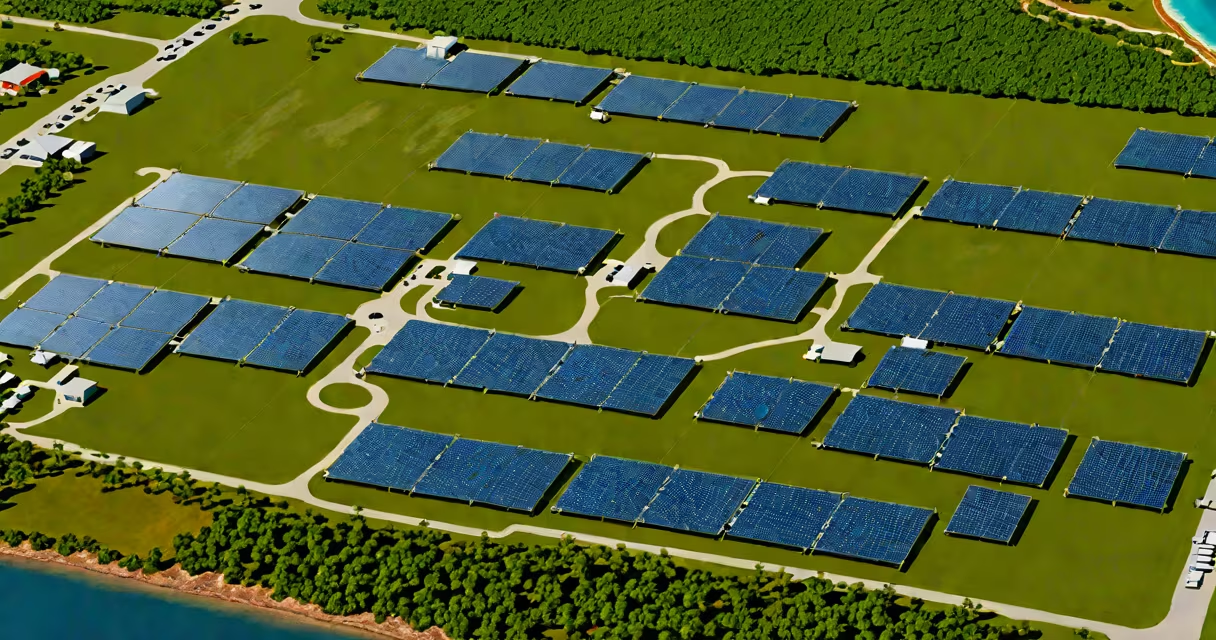
I visited a 200-megawatt solar facility near Lake Wales, Florida, in 2022. The site was built on reclaimed citrus land previously used for agriculture. Panels were mounted on adjustable trackers that follow the sun throughout the day. During peak hours, the plant generated enough electricity to power 50,000 homes.
At the control center, operators monitored real-time output, weather forecasts, and grid demand. The system automatically adjusted output based on signals from the Florida Reliability Coordinating Council. On a typical summer day, the facility delivered 1.2 gigawatt-hours of electricity-enough to offset 800 tons of CO₂ emissions compared to coal-based generation.
This project exemplifies how NextEra Energy Inc combines land reuse, advanced technology, and grid integration to scale renewables efficiently. The site cost $320 million to build and is projected to generate returns over 20 years, aligning with the company's strategy of long-term asset value creation.
NextEra Energy Inc (NEE) is distinct from Camber Energy Inc, a smaller firm focused on natural gas infrastructure and midstream services. While both operate in energy, Camber Energy Inc lacks significant renewable holdings and does not serve retail customers. Their financial profiles differ sharply: Camber Energy Inc reported a negative EBITDA in 2022, whereas NextEra Energy Inc posted $6.8 billion in EBITDA.
For investors analyzing NEE energy stock, it's critical to distinguish between the parent company and its subsidiaries. The stock price reflects performance, but individual segments may have different risk profiles. For example, FPL faces regulatory scrutiny in Florida, while NextEra Energy Resources benefits from federal tax credits under the Inflation Reduction Act.
NextEra Energy Inc (NEE) continues to lead in clean energy deployment and utility innovation. Its dual structure balances regulated stability with unregulated growth, enabling sustained expansion into a low-carbon future.