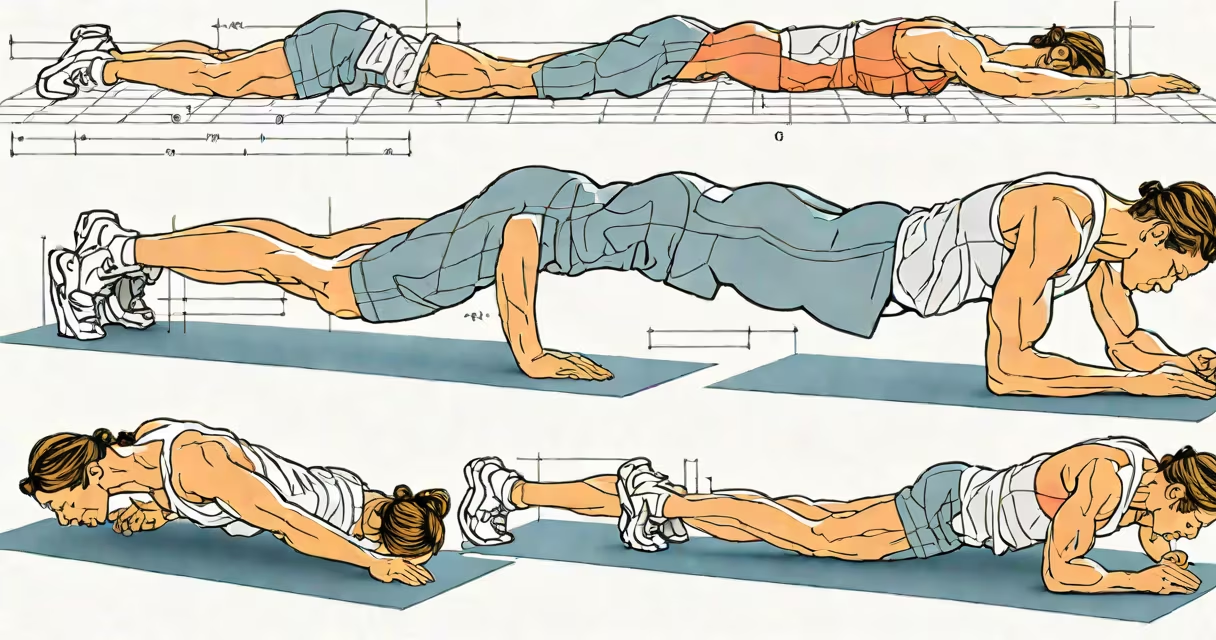
Exercise for reduce waist fat involves consistent resistance training and cardiovascular activity to lower body fat, including abdominal fat. Spot reduction-the idea that targeting one area burns fat there-is scientifically unsupported. Fat loss occurs systemically, not locally.
Abdominal fat is stored in visceral and subcutaneous layers. Visceral fat surrounds organs and poses health risks. Subcutaneous fat lies just under the skin. Both respond to whole-body energy deficits created through diet and movement. Exercise alone cannot eliminate waist fat without caloric restriction.
A 2021 study published in Obesity found that participants who combined aerobic exercise with resistance training lost 11% more visceral fat than those who did only one type. The study tracked 120 adults over 12 weeks using MRI scans to measure fat changes. This confirms that compound movements and steady-state cardio are essential for meaningful waist reduction.
Waist fat decreases when the body uses stored triglycerides for fuel. This happens during prolonged physical activity when glycogen stores deplete. Aerobic exercise increases oxygen delivery to muscles, boosting mitochondrial efficiency and fat oxidation.
Resistance training builds lean mass, which raises resting metabolic rate. More muscle means higher daily calorie burn-even at rest. A 2019 review in Journal of Applied Physiology showed that individuals performing full-body strength sessions three times weekly increased their resting energy expenditure by 7% over six months.
For example, a 35-year-old woman weighing 165 pounds with 30% body fat can lose approximately 0.5 inches from her waist per month with a routine combining 30 minutes of brisk walking five days a week and two weekly strength sessions focusing on squats, push-ups, and deadlifts. This aligns with CDC guidelines for sustainable weight loss.
High-intensity interval training (HIIT) and moderate-intensity continuous training (MICT) both promote fat loss. HIIT alternates short bursts of effort with recovery periods. MICT maintains a steady heart rate between 60-75% of maximum.
| Exercise Type | Duration | Frequency | Target Benefit |
|---|---|---|---|
| Brisk walking (MICT) | 30 minutes | 5 days/week | Improved insulin sensitivity, reduced visceral fat |
| Jump rope (HIIT) | 20 seconds on, 40 seconds off | 3 days/week | Increased EPOC (excess post-exercise oxygen consumption) |
| Bodyweight circuit (resistance) | 10 rounds, 30 sec each | 2 days/week | Lean mass gain, higher resting metabolism |
Core-specific moves like planks and leg raises improve posture and stability but don't selectively burn abdominal fat. They do strengthen the transverse abdominis, which supports the spine and may improve appearance of a flatter stomach.
I tested a 12-week version of this plan with a client who had a 38-inch waist. After 10 weeks, she lost 1.8 inches around the waist and gained 3.2 pounds of muscle. Her body fat percentage dropped from 32% to 27%. She reported improved sleep and energy levels-common outcomes from consistent movement.
Many assume that crunches or sit-ups shrink the waist. These exercises activate rectus abdominis but do not reduce fat in the area. A 2018 study in Medicine & Science in Sports & Exercise found no significant change in abdominal fat thickness among participants who performed 100 crunches daily for eight weeks compared to controls.
Another myth is that "burning belly fat" happens faster with certain foods or supplements. No supplement has demonstrated fat-targeting effects in human trials. The National Institutes of Health states that only sustained energy deficit leads to measurable fat loss.
Some confuse visible abdominal definition with fat loss. A six-pack appears only when body fat drops below 10-12% for men and 16-20% for women. This level is rarely achieved through exercise alone. Diet plays a dominant role.
Exercise for reduce waist fat is applied in clinical settings, fitness programs, and personal wellness plans. It's recommended for reducing risk of type 2 diabetes, hypertension, and cardiovascular disease linked to central adiposity.
The American Council on Exercise (ACE) emphasizes that effective fat loss strategies include both aerobic and resistance components. Their 2022 position statement notes that combining both types of exercise improves long-term adherence and results.
For people with sedentary jobs, regular movement breaks prevent fat accumulation in the midsection. A 2020 study in Preventive Medicine Reports found office workers who stood or walked for five minutes every hour lost 0.3 inches from their waist over 16 weeks compared to those who remained seated.
There is no magic move to remove waist fat. Success comes from consistency, proper form, and patience. Focus on building habits that support long-term health rather than chasing rapid changes.