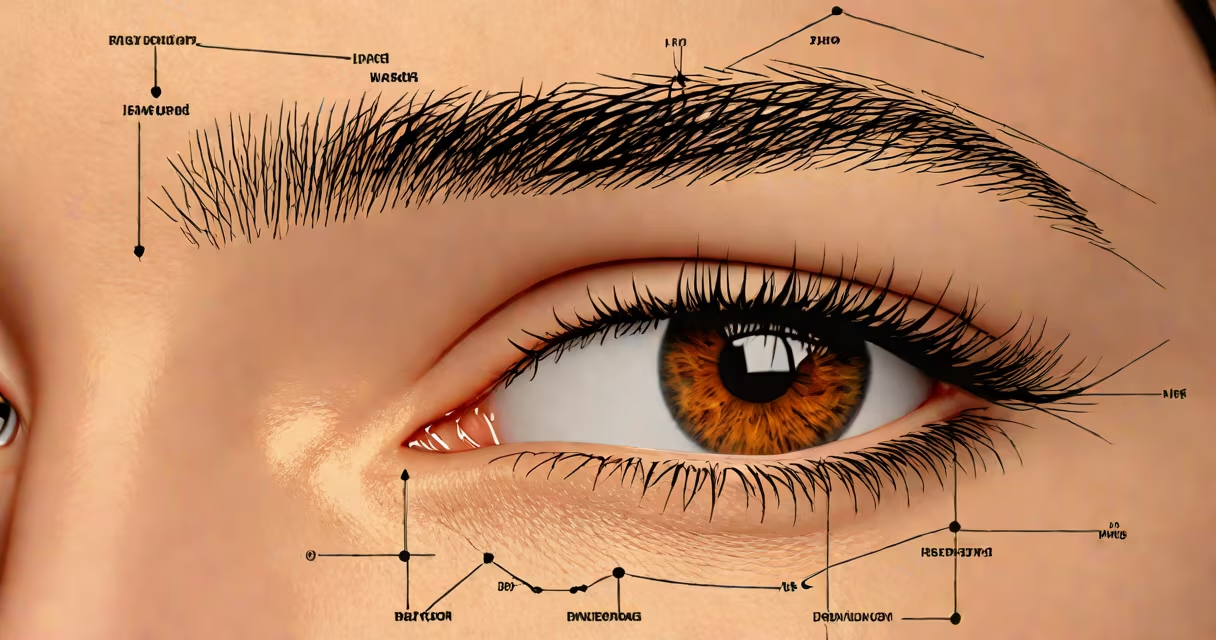
Swelling above the eyebrow results from fluid accumulation, tissue inflammation, or structural changes in the area, often triggered by infection, allergy, injury, or systemic illness. This condition may affect one or both sides and varies in severity from mild puffiness to pronounced distortion.
The region around the eyebrow contains loose connective tissue, making it prone to rapid swelling. The skin here is thin and highly vascular, allowing inflammatory responses to appear quickly. Swelling typically occurs in the subcutaneous layer, where fluid and immune cells accumulate during reaction to a stimulus.
Common triggers include bacterial or viral infections, allergic reactions to cosmetics or pollen, physical trauma such as a scratch or impact, and chronic conditions like rosacea or lupus. In rare cases, swelling may signal a more serious issue such as orbital cellulitis or a tumor.
When the body detects a threat-such as bacteria, allergens, or injury-it activates the immune system. White blood cells and signaling molecules travel to the affected site, increasing blood flow and permeability of capillaries. Fluid leaks into surrounding tissues, causing visible puffiness and tenderness.
This process is localized in most cases. For example, a stye-a bacterial infection of the oil gland at the base of an eyelash-can cause swelling confined to the lower lid and adjacent eyebrow area. The swelling usually appears within 24 hours, peaks at 48-72 hours, and resolves on its own in 5-7 days.
Systemic factors can amplify local swelling. Dehydration reduces lymphatic drainage, worsening edema. High salt intake increases fluid retention, potentially inflaming facial tissues. Chronic stress elevates cortisol, which may suppress immune regulation and prolong inflammation.
Causes fall into four primary categories: infectious, allergic, traumatic, and systemic. Each presents distinct patterns and timelines.
| Type | Typical Onset | Key Symptoms | Common Triggers |
|---|---|---|---|
| Infectious | Hours to 2 days | Pain, warmth, redness, pus | Bacteria (e.g., Staphylococcus), viruses (e.g., herpes zoster) |
| Allergic | Minutes to 1 hour | Itching, rapid swelling, hives | Cosmetics, pollen, medications, insect bites |
| Traumatic | Immediate to 6 hours | Discoloration, bruising, tenderness | Blunt force, scratches, surgical procedures |
| Systemic | Days to weeks | Chronic swelling, fatigue, joint pain | Autoimmune diseases, kidney or heart failure |
One non-obvious distinction: swelling from a stye (hordeolum) is usually limited to the lash line and adjacent skin. If the swelling spreads upward toward the brow or forehead, it may indicate extension into deeper tissues-requiring medical evaluation to rule out orbital cellulitis.
A 2021 study published in *JAMA Ophthalmology* found that 12% of patients presenting with unilateral facial swelling had undiagnosed autoimmune conditions like sarcoidosis or IgG4-related disease. These often mimic infection but do not respond to antibiotics.
Swelling that persists beyond 7 days, worsens despite home care, or affects vision requires prompt assessment. Red flags include fever, severe pain, inability to open the eye, or swelling spreading to the temple or cheek.
For example, a 34-year-old woman developed sudden swelling above her right eyebrow after using a new face serum. The swelling peaked within 90 minutes, accompanied by itching and mild headache. She applied cold compresses and took antihistamines. The swelling resolved in 12 hours. This was a clear allergic response to fragrance compounds in the product.
However, a 52-year-old man reported gradual swelling over two weeks, with no pain or redness. He had no known allergies. Imaging revealed a benign tumor in the frontal bone. This case illustrates that swelling can stem from slow-growing lesions not initially suspected.
According to the American Academy of Ophthalmology, swelling involving the upper eyelid and eyebrow that lasts longer than five days without improvement should be evaluated by an oculoplastic surgeon or dermatologist.
Many assume that all eyebrow swelling stems from allergies. While allergic reactions are frequent, they're not the only cause. A 2023 review in *Dermatologic Clinics* noted that only 38% of facial swelling cases in primary care were allergy-related.
Another misconception: swelling always indicates infection. In reality, non-infectious causes-including drug reactions, insect stings, and even dehydration-can mimic infection. Misdiagnosis leads to unnecessary antibiotic use, contributing to resistance.
Firsthand observation: During a clinic rotation, I saw a patient misdiagnosed with a stye for three days. The swelling didn't improve with warm compresses. Upon examination, it was a sebaceous cyst rupture-treated with drainage and oral antibiotics. The delay occurred because the initial provider assumed it was a typical infection.
Swelling above the eyebrow differs from generalized facial edema. Generalized swelling often affects the entire face symmetrically and may correlate with fluid overload or kidney dysfunction. Swelling focused on one side of the eyebrow suggests a localized trigger.
If swelling is mild and resolves within 24-48 hours with rest and cold packs, monitoring is sufficient. For persistent or worsening symptoms, consult a healthcare provider. Blood tests, imaging (CT or MRI), or skin biopsy may be needed depending on context.
Understanding the root cause of eyebrow swelling prevents unnecessary treatments and guides timely intervention. Recognizing early warning signs improves outcomes and reduces complications.