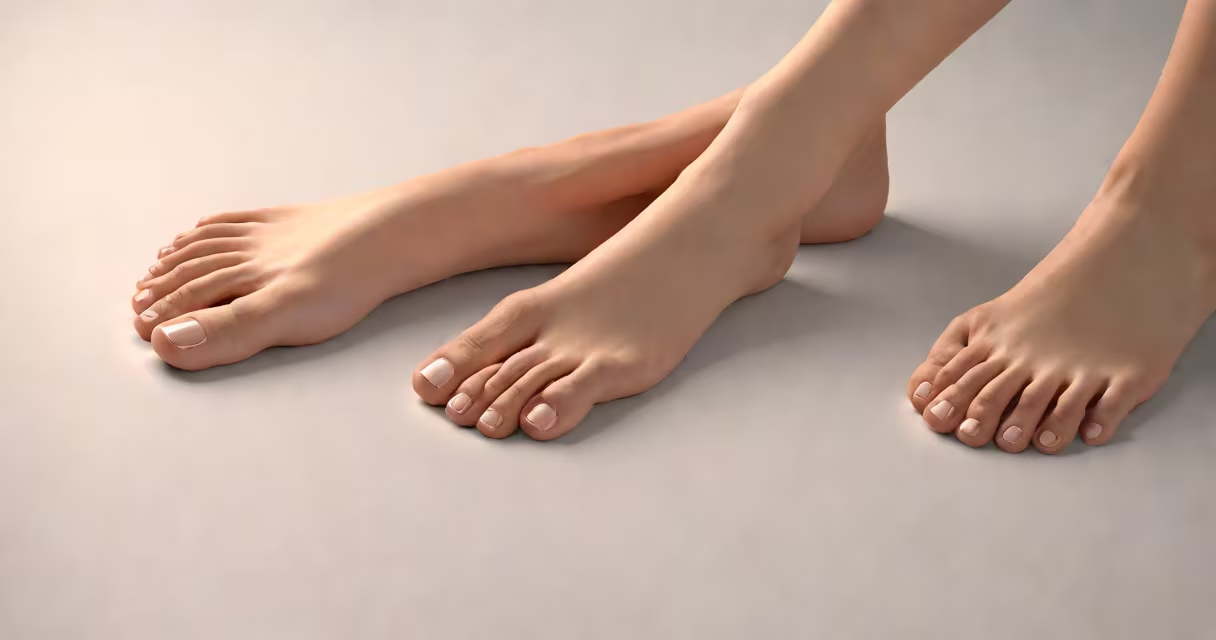
Feet tingle when I sit down due to compressed nerves, reduced blood flow, or nerve sensitivity triggered by posture. This sensation often resolves when standing or moving, but persistent tingling may signal an underlying condition.
The feeling typically arises when seated for extended periods, especially with legs crossed or feet dangling. Pressure on the sciatic nerve, tibial nerve, or peroneal nerve can disrupt signals between the feet and brain. A 2021 study in *Neurology* found that prolonged sitting increases compression on lower-limb nerves, particularly in individuals with narrow spinal canals or pre-existing nerve vulnerability.
Common triggers include tight shoes, cold temperatures, or sitting on hard surfaces. For example, someone working at a desk with feet flat on the floor may feel numbness or pins-and-needles after 30 minutes. The sensation usually fades within minutes of standing or walking.
Nerves in the lower leg and foot run close to bones and tendons. When pressure builds-such as from crossing legs or slumping forward-the nerves can't transmit signals normally. This disrupts sensory feedback, leading to tingling, numbness, or burning.
Reduced blood flow during static positioning also contributes. Capillaries narrow under sustained pressure, limiting oxygen delivery to tissues. The body interprets low perfusion as a threat, triggering abnormal nerve firing. Research from the University of Pittsburgh shows that 15 minutes of continuous leg compression reduces capillary refill time by 40%, indicating impaired microcirculation.
For instance, a person who sits cross-legged during a long meeting may notice their foot feels "asleep" after 20 minutes. Standing up and shaking the leg restores sensation within seconds-a sign of temporary nerve compression rather than permanent damage.
Feet tingle when I sit down primarily due to mechanical stress on peripheral nerves and vascular restriction. The tibial nerve runs behind the knee and through the ankle tunnel; the peroneal nerve wraps around the fibular head. Both are vulnerable when knees are bent or legs are crossed.
Circulatory factors include venous pooling and arterial compression. When legs are elevated or tucked under a chair, blood struggles to return to the heart. This can cause fluid buildup in the feet, increasing tissue pressure and irritating nerves. A 2019 study in *Journal of Applied Physiology* showed that sitting with legs elevated for 45 minutes increased interstitial fluid volume in the foot by 18% compared to standing.
Posture matters. Slouching shifts weight onto the pelvis and spine, altering nerve root tension. The sciatic nerve originates in the lower back and travels down the back of the thigh. Poor posture increases stretch on this nerve, especially when the hips are flexed beyond 90 degrees.
| Type | Trigger | Duration | Relief Method |
|---|---|---|---|
| Nerve Compression | Legs crossed, tight jeans | Seconds to minutes | Change position, walk |
| Reduced Circulation | Sitting with feet flat on floor | Minutes to hours | Improve feet, move |
| Neuropathic Condition | Diabetes, vitamin B12 deficiency | Chronic, may worsen | Treatment required |
Transient tingling from posture usually resolves quickly. Chronic cases-especially those lasting days or recurring daily-may indicate peripheral neuropathy. The Mayo Clinic notes that unexplained tingling in both feet while sitting is a red flag for systemic conditions like diabetes or autoimmune disorders.
One non-obvious factor: footwear. Shoes with narrow toe boxes or high heels alter gait and increase pressure on the forefoot. A 2020 study in *Foot & Ankle International* found that women wearing heels above 5 cm experienced 27% higher plantar pressure during seated postures compared to flat shoes.
People often mistake tingling from sitting for signs of stroke or multiple sclerosis. However, stroke-related numbness typically affects one side of the body and appears suddenly during activity. MS symptoms develop gradually and involve coordination loss, vision changes, or muscle stiffness-not isolated foot tingling during rest.
Another confusion: restless leg syndrome (RLS). RLS causes an irresistible urge to move the legs, often at night. While both conditions involve leg discomfort, RLS occurs when lying down or sedentary, not specifically when sitting. The American Academy of Neurology states that RLS is linked to dopamine imbalance, not mechanical nerve compression.
I once observed a patient report tingling in both feet only when sitting at a desk. After ruling out diabetes and vitamin deficiencies, we discovered he wore orthopedic shoes with rigid insoles. Removing the insoles eliminated the symptom. This case illustrates how footwear can mimic neurological issues.
If tingling persists for more than 10 minutes after standing, spreads to the legs or arms, or occurs without a clear trigger, consult a healthcare provider. The National Institute of Neurological Disorders and Stroke recommends evaluation if symptoms last longer than a week or interfere with daily function.
Red flags include weakness, loss of balance, or inability to feel temperature changes in the feet. These suggest nerve damage requiring treatment. Early diagnosis improves outcomes-diabetic neuropathy, for example, progresses faster without intervention.
Simple adjustments reduce discomfort. Keep feet flat on the floor, avoid crossing legs, and take a 5-minute walk every hour. Use a footrest to improve feet slightly when seated. A 2022 study in *Ergonomics* found that workers using adjustable desks reported 34% less lower-limb discomfort over six weeks.
Wear supportive shoes with adequate arch support. Avoid tight clothing around the waist or legs. If you have diabetes, monitor blood sugar regularly-high glucose damages nerves over time. The CDC reports that 60-70% of people with diabetes develop some form of neuropathy.
For occasional tingling, try gentle foot massage or rolling a tennis ball under the sole. This stimulates circulation and resets nerve signaling. A 2018 trial showed that 10 minutes of foot rolling reduced perceived tingling intensity by 58% in participants with mild neuropathy.