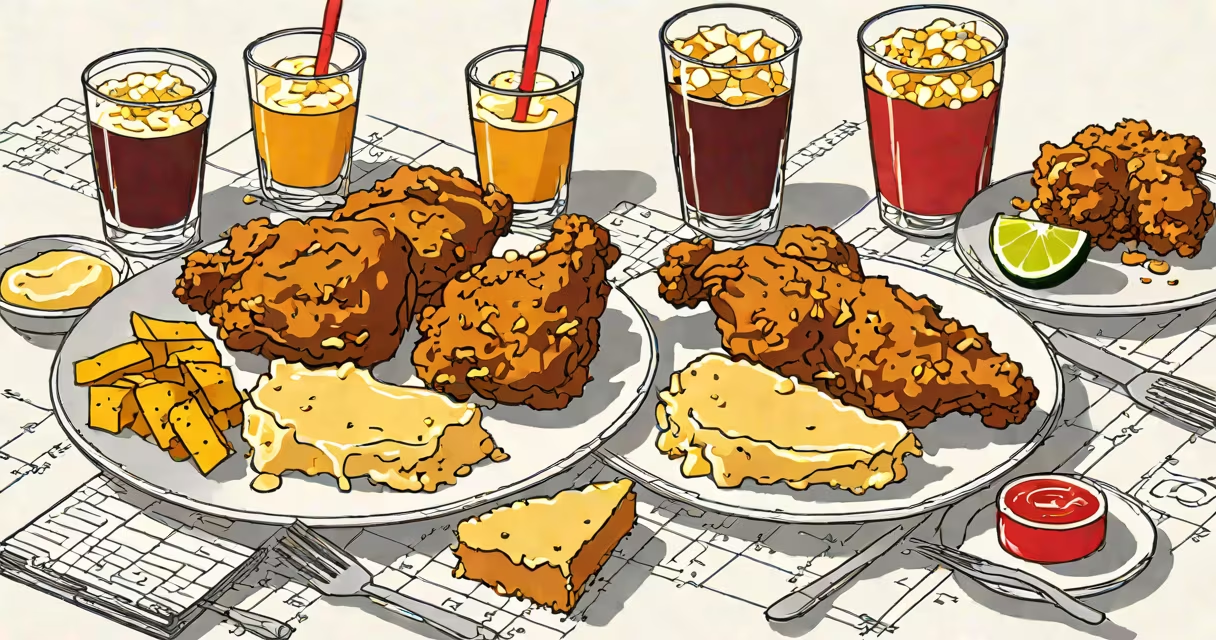
Specific foods promote visceral fat buildup-deep abdominal fat surrounding organs-primarily through blood sugar spikes and chronic insulin elevation. These include sugary drinks, refined carbohydrates, and highly processed snacks.
Visceral fat is metabolically active and linked to higher risks of type 2 diabetes, heart disease, and fatty liver. Unlike subcutaneous fat under the skin, visceral fat releases inflammatory compounds and free fatty acids into the bloodstream. The American Heart Association notes that excess visceral fat correlates strongly with insulin resistance and cardiovascular risk.
Not all fats are equal. While saturated fats from whole foods like coconut oil may have neutral effects, trans fats and omega-6-rich oils in processed foods drive inflammation and fat deposition in the abdomen. A 2020 study in *The Journal of Clinical Endocrinology & Metabolism* found that diets high in added sugars increased visceral fat by 11% over six months, independent of total calorie intake.
When you consume high-glycemic foods-like white bread, pastries, and sodas-their rapid digestion floods the bloodstream with glucose. This triggers a sharp insulin release. Insulin signals fat cells to absorb fatty acids and store energy. Over time, repeated surges lead to insulin resistance, where cells stop responding effectively to insulin.
As insulin resistance develops, the body produces more insulin to compensate. High insulin levels favor fat storage, especially in the abdominal region. The liver converts excess glucose into triglycerides, which are packaged and shipped to adipose tissue. Visceral fat cells are particularly sensitive to insulin's fat-storing signal.
A 2018 clinical trial published in *Cell Metabolism* tracked 100 adults on varying carbohydrate intakes. Those consuming over 60% of calories from refined carbs gained more visceral fat than those on low-glycemic diets-even when total caloric intake was matched.
The following foods consistently correlate with increased abdominal fat in population studies:
| Foods | Why They Contribute | Typical Source |
|---|---|---|
| Sugary beverages (soda, sweetened tea) | Deliver 30-40 grams of fructose per serving. Fructose is metabolized almost entirely in the liver, promoting de novo lipogenesis-new fat creation. | 12 oz cola: ~39g sugar |
| Refined grains (white rice, bagels, pasta) | High glycemic index (GI > 70). Rapid glucose rise leads to insulin spikes and fat storage. | One slice of white bread: GI 73 |
| Processed meats (hot dogs, deli slices) | High in sodium and advanced glycation end products (AGEs), which increase oxidative stress and fat deposition. | Two hot dog buns: ~1,200mg sodium |
| Industrial seed oils (soybean, corn, sunflower) | Rich in omega-6 fatty acids. Excess omega-6 promotes inflammation and alters fat cell function. | 1 tbsp oil: ~10g omega-6 |
Fructose is especially potent. The National Institutes of Health reports that daily consumption of 75 grams of fructose (about 2.5 sugary drinks) increases visceral fat by 1.5 times more than glucose in controlled trials.
Many assume that all dietary fat leads to belly fat. This is incorrect. Whole-food fats-avocado, nuts, olive oil-support metabolic health and reduce visceral fat when consumed in moderation. A 2021 meta-analysis in *Nutrients* showed that Mediterranean-style diets rich in healthy fats reduced waist circumference by 2.3 cm over 12 months.
Another myth is that eating late at night causes belly fat. While late-night eating can disrupt circadian rhythms and alter hunger hormones, the primary driver is food quality, not timing. A 2019 study in *Obesity* found that participants who ate high-glycemic meals at night gained more visceral fat-but only if the meal was high in sugar and low in fiber.
Crucially, belly fat is not solely about calories. It's about hormonal response. Two people can eat the same number of calories, but one may gain belly fat while the other doesn't-depending on insulin sensitivity, gut microbiome, and genetic factors.
In a 2014 study, researchers gave 20 overweight adults 24 ounces of regular soda daily for 10 weeks. All other diet and activity levels remained unchanged. By week 8, average waist circumference increased by 2.1 inches. MRI scans confirmed a 28% rise in visceral fat volume. Participants reported increased hunger and fatigue, suggesting disrupted leptin signaling.
After switching to water and unsweetened tea, waist size decreased by 1.4 inches over the next 6 weeks. This demonstrates that eliminating just one food group-sugary drinks-can reverse visceral fat accumulation within months.
Focus on reducing added sugars, refined carbohydrates, and industrial seed oils. Replace them with whole foods: vegetables, legumes, lean proteins, and healthy fats. Prioritize fiber-rich meals to slow glucose absorption and support gut health.
Women are particularly affected by certain triggers. What food causes belly fat in females often involves high-glycemic foods during hormonal shifts-such as perimenopause-when estrogen decline reduces metabolic rate and increases abdominal fat storage.