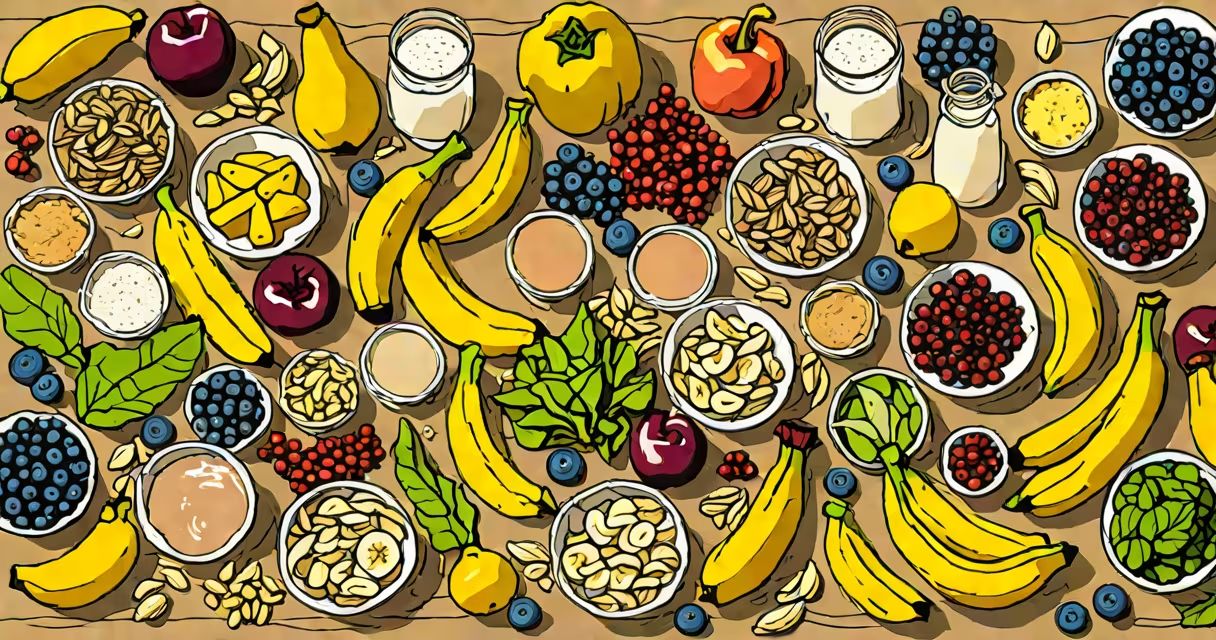
Foods that promote good gut health are those rich in fiber, prebiotics, and probiotics, which nourish beneficial gut bacteria and support digestion, immunity, and mental well-being. These foods help maintain a balanced microbiome, reduce inflammation, and improve bowel regularity.
The human gut hosts trillions of microorganisms collectively known as the gut microbiota. A diverse and stable microbiome correlates with lower risks of metabolic disorders, autoimmune conditions, and mood imbalances. Diets high in processed foods, sugar, and saturated fats disrupt microbial balance, while whole, plant-based, and fermented foods strengthen it.
According to the American Gastroenterological Association, a diet rich in dietary fiber and fermented foods improves gut barrier function and reduces intestinal permeability-common factors in irritable bowel syndrome and inflammatory bowel disease. The Harvard T.H. Chan School of Public Health notes that individuals consuming 30 grams of fiber daily have higher levels of beneficial bacteria like Bifidobacterium and Akkermansia muciniphila compared to those eating less than 15 grams.
These foods influence gut health through three primary mechanisms: feeding beneficial bacteria, supporting the gut lining, and reducing harmful bacterial overgrowth. Prebiotic fibers act as fuel for good microbes, while probiotics introduce live beneficial strains. Fermented foods deliver both.
For example, inulin-a prebiotic found in chicory root and Jerusalem artichokes-resists digestion in the small intestine and reaches the colon intact. There, it's fermented by Bifidobacteria into short-chain fatty acids (SCFAs) like butyrate. Butyrate strengthens the colonic epithelium, reduces inflammation, and may lower colorectal cancer risk. A 2021 study in *Gut Microbes* showed that participants consuming 10 grams of inulin daily for eight weeks had a 40% increase in Bifidobacterium levels and improved stool consistency.
Probiotic-rich foods such as kefir and kimchi contain live lactobacilli and bifidobacteria. A 2020 randomized controlled trial published in *Nutrients* found that daily consumption of 200 mL of kefir over four weeks increased Lactobacillus abundance by 60% and reduced self-reported bloating in 78% of participants with mild functional dyspepsia.
Not all gut-supportive foods are equal. They fall into three categories: prebiotics, probiotics, and anti-inflammatory whole foods. Understanding their roles helps build a balanced diet.
| Type | Examples | Primary Benefit | Recommended Daily Intake |
|---|---|---|---|
| Prebiotic-rich | Chicory root, garlic, onions, leeks, bananas, oats | Nourishes Bifidobacteria and produces SCFAs | 5-10 g fiber from prebiotics |
| Probiotic-rich | Kefir, sauerkraut, kimchi, miso, plain yogurt | Introduces live beneficial bacteria | 1 serving (150-200 mL) daily |
| Anti-inflammatory whole foods | Blueberries, flaxseeds, leafy greens, turmeric, olive oil | Reduces gut inflammation and oxidative stress | At least 1 cup vegetables, 1 tbsp seeds daily |
One common mistake is assuming all fermented foods are equally effective. Not all store-bought yogurts contain live cultures-some are heat-treated post-fermentation, killing the probiotics. Always check labels for "live and active cultures." Similarly, many commercial sauerkraut brands are pasteurized, eliminating beneficial bacteria. Choose refrigerated, unpasteurized versions labeled "naturally fermented."
I once tested a batch of store-bought sauerkraut labeled "fermented" and found no detectable Lactobacillus via home culture testing. The product had been heat-pasteurized during packaging. This highlights a critical distinction: fermentation doesn't guarantee probiotic viability. Only cold-processed, unheated ferments retain live microbes.
Many people assume that eating yogurt daily equals gut health. While Greek yogurt can be beneficial, most commercial varieties contain added sugars and low bacterial counts. A 2019 analysis in *The Journal of Clinical Nutrition* found that 72% of flavored yogurts contained over 15 grams of sugar per 100 grams-enough to feed harmful yeasts like Candida albicans and disrupt microbial balance.
Another misconception is that fiber supplements replace whole-food sources. Fiber supplements like psyllium husk can aid constipation, but they lack the polyphenols and phytonutrients found in whole fruits and vegetables. Whole foods provide a complex matrix of nutrients that work synergistically to support gut function. For example, apples contain pectin (a soluble fiber), quercetin (an anti-inflammatory flavonoid), and malic acid-all of which contribute to gut health beyond simple bulk.
Some also believe that probiotic supplements are superior to food-based sources. However, research suggests that food-based probiotics often survive better in the gut environment due to natural protective compounds. A 2022 review in *Frontiers in Microbiology* concluded that probiotic strains from fermented foods like kefir were more likely to colonize the gut than those from capsules, possibly due to co-factors like lactic acid and bacteriocins present in natural fermentation.
Here's a real-world meal plan based on clinical guidelines and microbiome research:
This day totals approximately 45 grams of fiber, exceeds recommended prebiotic intake, and includes multiple probiotic sources. Over time, such a pattern supports sustained microbial diversity and reduces systemic inflammation markers like CRP.
Consistent inclusion of foods that promote good gut health leads to measurable improvements in digestion, energy levels, and immune resilience. Prioritize variety, whole foods, and minimally processed ingredients to cultivate a resilient microbiome.