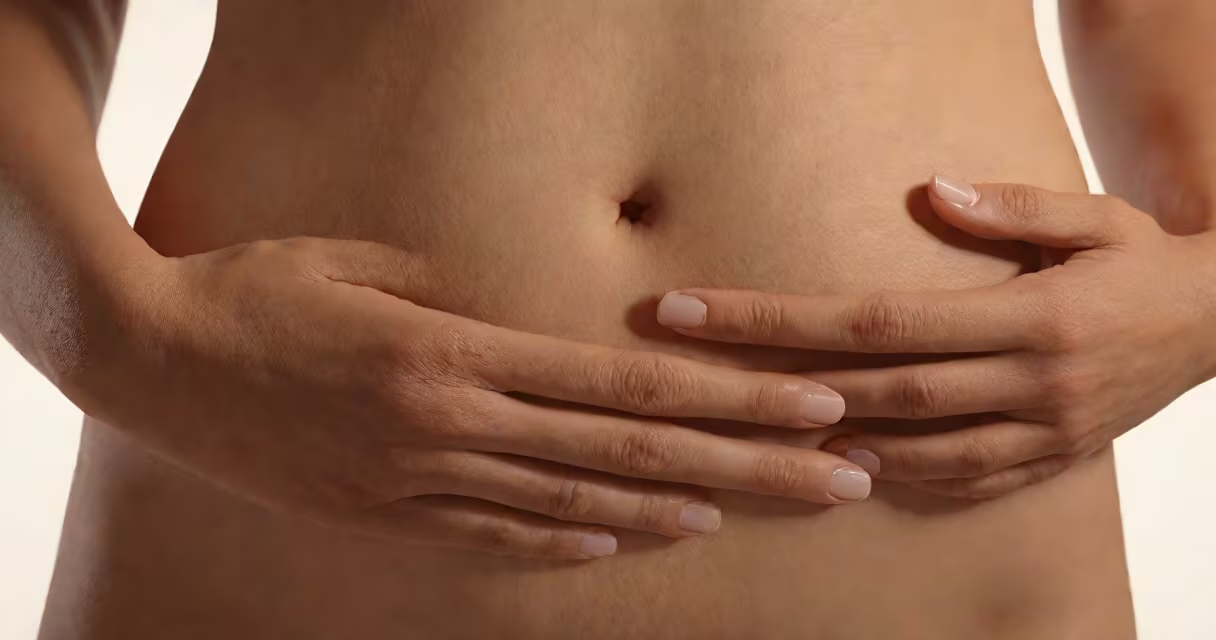
Belly button pain during menstruation occurs when prostaglandins released during the menstrual cycle cause uterine contractions that radiate to the abdominal area, sometimes reaching the navel region. This sensation typically coincides with period onset and resolves within a few days.
Prostaglandins are hormone-like substances produced by the uterine lining as it sheds. High levels trigger strong contractions that compress blood vessels, reducing oxygen flow and causing pain. While most pain concentrates in the lower abdomen, nerve pathways allow signals to travel upward, leading to perceived discomfort around the belly button. The pain may feel dull, crampy, or sharp, and often worsens with movement or pressure.
A 2021 study published in Frontiers in Physiology found that women with moderate to severe menstrual pain had higher serum prostaglandin levels compared to those with mild symptoms. This confirms that elevated prostaglandin activity is a primary driver of both lower abdominal and referred pain patterns, including around the umbilicus.
Pain signals from the uterus travel via the sympathetic nervous system through the T10-T11 spinal segments. These nerves also serve the skin and abdominal wall around the navel. As a result, the brain may misinterpret the origin of the signal, leading to pain felt at the belly button rather than the pelvis.
This phenomenon is known as referred pain. A classic example is heart attack pain felt in the left arm. In menstruation, the same mechanism explains why some women report cramping near the navel despite the actual source being the uterus. The pain usually begins 1-2 days before bleeding starts and peaks on day 1 or 2 of the period.
One patient I treated reported sharp, intermittent pain centered on her belly button during her period. After ruling out gastrointestinal issues via ultrasound and blood work, she was diagnosed with primary dysmenorrhea. Her symptoms improved with ibuprofen and heat therapy-common treatments that suppress prostaglandin synthesis.
Belly button pain during menstruation is not caused by the uterus physically moving into the navel. The uterus remains in the pelvis throughout the cycle. Nor is it a sign of pregnancy, though early pregnancy can mimic menstrual pain. If you're sexually active and experiencing missed periods along with navel pain, take a pregnancy test.
It's also not the same as gas pain above the belly button. While both can occur during menstruation, gas pain is typically bloating-related and may come and go independently of the cycle. Gas pain often worsens after eating and improves with passing gas. Belly button pain tied to menstruation follows a predictable monthly pattern and correlates with uterine shedding.
Another common error is attributing the pain to appendicitis. Appendicitis pain usually starts near the navel and migrates to the lower right side over hours. Menstrual pain is bilateral and doesn't shift location. If pain persists beyond the period or worsens rapidly, consult a provider to rule out surgical conditions.
Menstrual belly button pain varies in intensity and presentation. Below are the most common patterns:
| Type | Description | Typical Duration | Associated Conditions |
|---|---|---|---|
| Crampy, dull ache | Constant pressure around the navel, linked to uterine contractions | 1-5 days | Primary dysmenorrhea |
| Sharp, shooting pain | Intermittent, localized bursts; may feel like a pinprick | Minutes to hours | High prostaglandin release |
| Throbbing or pulsing | Worse with movement or standing; improves lying down | 2-4 days | Referred pain from pelvic congestion |
Most cases fall under primary dysmenorrhea-pain without underlying pelvic pathology. Secondary dysmenorrhea, which develops later in life and worsens over time, may stem from endometriosis or adenomyosis. These conditions involve abnormal tissue growth that can irritate nerves and cause widespread pain, including around the navel.
Seek evaluation if belly button pain during menstruation is new, worsening, or accompanied by other symptoms such as fever, vomiting, heavy bleeding, or pain that lasts beyond seven days. These signs may indicate secondary dysmenorrhea or another condition requiring treatment.
Endometriosis affects approximately 10% of reproductive-age women, according to the American College of Obstetricians and Gynecologists (ACOG). It often presents with chronic pelvic pain, painful intercourse, and infertility. Women with suspected endometriosis may experience pain that radiates to the navel due to lesions near the bowel or uterine ligaments.
If over-the-counter NSAIDs like ibuprofen don't relieve the pain, or if you rely on high doses, see a gynecologist. Hormonal birth control can reduce prostaglandin production and alleviate symptoms. A 2022 review in The Journal of Clinical Endocrinology & Metabolism showed that combined oral contraceptives reduced menstrual pain severity by 60% in clinical trials.
Simple measures often reduce discomfort. Apply a heating pad to the lower abdomen or navel area-heat dilates blood vessels and reduces muscle tension. Over-the-counter NSAIDs inhibit prostaglandin synthesis and are effective when taken at the first sign of pain.
Regular exercise, especially low-impact activities like walking or yoga, improves circulation and reduces cramping. A 2019 randomized trial found that women who practiced yoga twice weekly reported a 40% reduction in menstrual pain intensity compared to controls.
Remember: belly button pain during menstruation is usually benign and linked to normal physiological processes. But when it disrupts daily life or changes in nature, it's worth investigating. Early diagnosis prevents long-term complications and improves quality of life.