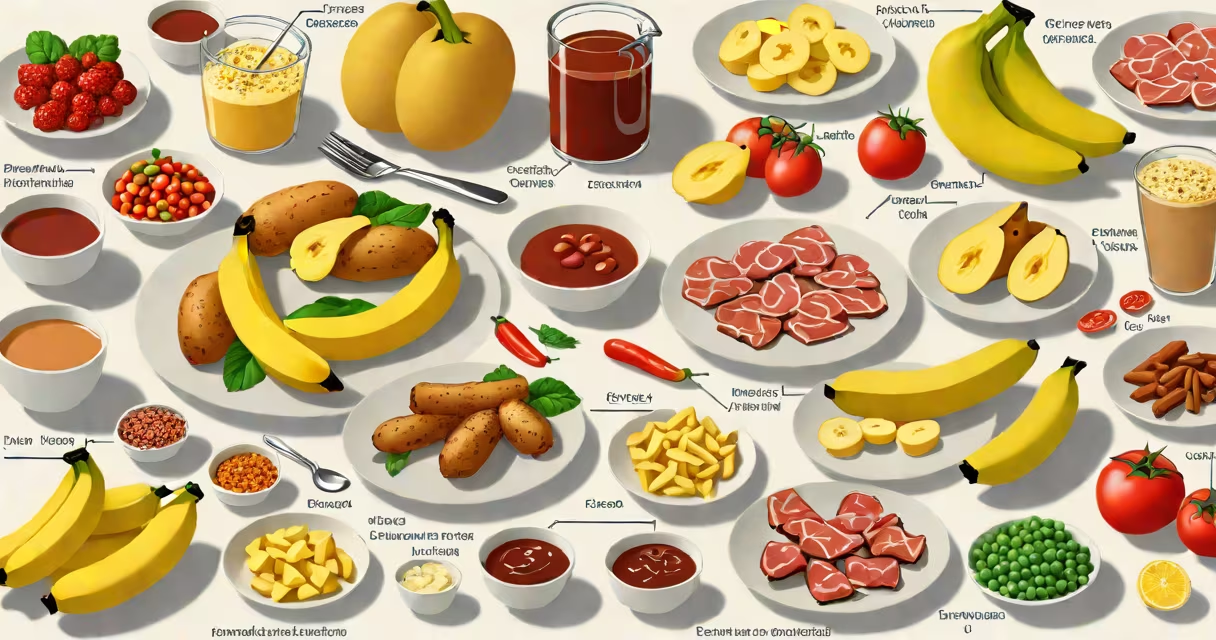
Foods to avoid if you have kidney disease include those high in potassium, phosphorus, and sodium, as damaged kidneys struggle to remove excess levels, leading to imbalances that worsen health outcomes. These include bananas, potatoes, processed meats, and canned soups.
Chronic kidney disease impairs the organs' ability to filter waste and regulate electrolytes. When kidney function drops below 30% of normal, dietary restrictions become essential to slow progression and prevent complications such as hyperkalemia (dangerously high blood potassium), hyperphosphatemia (elevated phosphate), and fluid retention.
The National Kidney Foundation recommends limiting daily intake of potassium to under 2,000 mg and phosphorus to less than 1,000 mg for people with stage 3b to 5 CKD. Sodium intake should stay under 2,300 mg per day, ideally closer to 1,500 mg. Exceeding these thresholds increases risks of heart failure, arrhythmias, and bone weakening.
Healthy kidneys maintain balance by excreting excess potassium, phosphorus, and sodium through urine. With reduced filtration capacity, these substances accumulate in the bloodstream. Elevated potassium can disrupt heart rhythm, causing palpitations or sudden cardiac events. High phosphorus binds calcium, leading to weak bones and calcification in blood vessels.
Sodium causes water retention, raising blood pressure and increasing workload on the kidneys. A 2022 study published in the Journal of the American Society of Nephrology found that patients with CKD who consumed more than 3,000 mg of sodium daily had a 40% higher risk of progressing to end-stage renal disease compared to those under 2,000 mg.
For example, a single serving of canned tomato soup (1 cup) contains 680 mg of sodium and 520 mg of potassium-over a quarter of the recommended daily limit for both. Regular consumption contributes to fluid buildup and hypertension, accelerating kidney decline.
Not all high-potassium or high-phosphorus foods are equally problematic. Some can be consumed in small portions with proper preparation. The following categories require attention:
| Nutrient | Common Foods to Avoid | Why It Matters |
|---|---|---|
| Potassium | Bananas, oranges, potatoes, spinach, dried apricots | Excess potassium can cause muscle weakness and irregular heartbeat. A medium banana has 422 mg of potassium. |
| Phosphorus | Processed meats, cheese, colas, fast food, baked goods with additives | Phosphorus in additives is absorbed at nearly 100%, unlike natural phosphorus in whole foods. Phosphorus binders may be needed. |
| Sodium | Canned soups, deli meats, frozen meals, salty snacks | High sodium promotes fluid retention and raises blood pressure. One slice of pepperoni pizza can contain 600 mg of sodium. |
Some foods can be modified to reduce risk. Boiling potatoes for 10 minutes reduces potassium by up to 50%. Peeling and soaking vegetables like zucchini or carrots also lowers their potassium content. However, these methods don't eliminate the issue entirely, especially for advanced kidney disease.
A non-obvious fact: Not all phosphorus is equal. Natural phosphorus in milk, meat, and legumes is absorbed at about 50%. But synthetic phosphates added to processed foods-like sodium phosphate in hot dogs or preservatives in bread-are absorbed at nearly 100%. This makes processed foods disproportionately harmful.
Many assume "natural" means safe. A banana is healthier than a candy bar, but for someone with stage 4 kidney disease, a banana's 422 mg of potassium exceeds half the daily limit. Similarly, fruit juices concentrate potassium and sugar, making them riskier than whole fruits.
Another mistake is relying solely on protein restriction. While excessive protein can stress kidneys, cutting protein too low leads to malnutrition. The National Kidney Foundation advises moderate intake-about 0.6 to 0.8 grams per kilogram of body weight per day-for most CKD patients.
I once observed a patient with stage 4 CKD who stopped eating red meat but continued consuming processed chicken nuggets. His serum phosphorus rose sharply. The nuggets contained sodium phosphate and other additives. He didn't realize that "white meat" wasn't safer than red meat in this context.
Replacements exist for many restricted foods. Instead of bananas, try apples or berries-lower in potassium. For potatoes, swap in turnips or cauliflower. Use herbs and lemon juice instead of salt to flavor meals.
When dining out, ask for dishes without sauces or gravies. Many restaurant meals contain hidden sodium and phosphates. A grilled salmon fillet with steamed broccoli is better than a fried fish sandwich with fries.
For those managing multiple conditions, such as diabetes and kidney disease, carbohydrate choices matter. White rice and white bread spike blood sugar and contribute to inflammation. Opt for brown rice or quinoa in controlled portions.
Consulting a registered dietitian specializing in renal nutrition is critical. A personalized plan accounts for lab values, medication, and lifestyle. The Academy of Nutrition and Dietetics notes that patients who work with renal dietitians have better outcomes and lower hospitalization rates.
Foods to avoid if you have kidney disease are not universally banned-they are managed based on individual lab results and stage of disease. A person with mild impairment may tolerate moderate potassium intake, while someone on dialysis must strictly limit all three nutrients.
Understanding which foods to avoid and why is the first step toward preserving kidney function and reducing complications. Always consult healthcare providers before making major dietary changes.