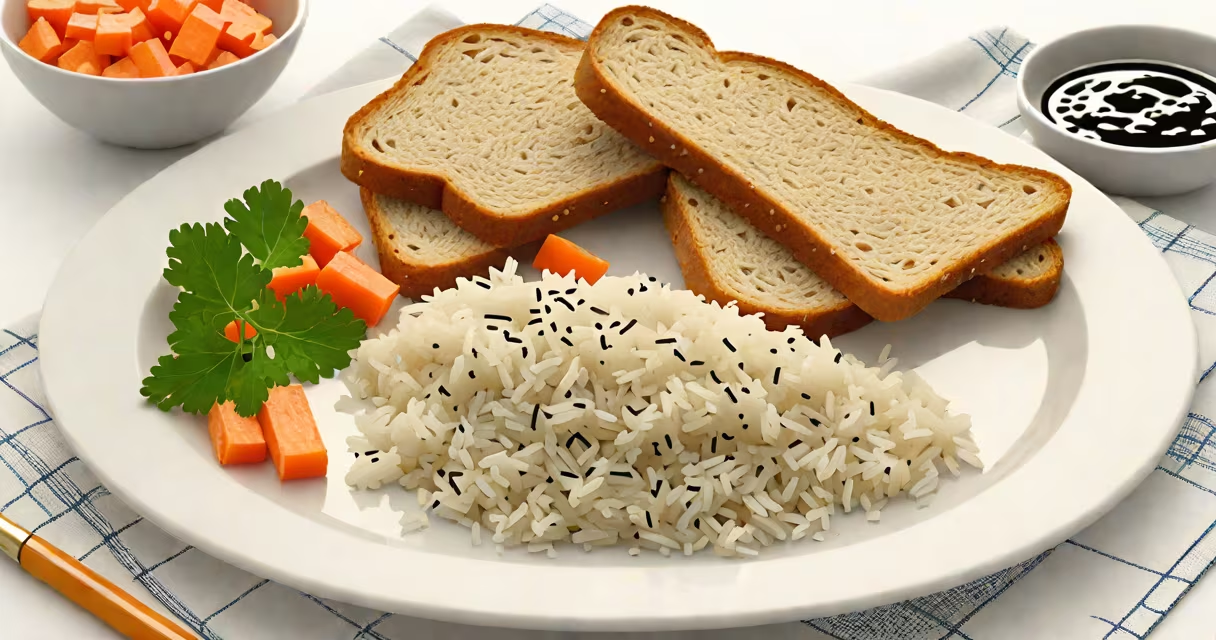
A bland diet for stomach problems consists of low-fiber, low-fat, low-acid, and easily digestible foods designed to reduce irritation and ease symptoms during gastrointestinal distress. This approach is often recommended during flare-ups of conditions like gastritis, ulcers, or post-surgical recovery.
These diets work by minimizing stimulation of the stomach lining and reducing gut motility. By avoiding spicy, fatty, acidic, or high-fiber foods, the digestive system experiences less strain. The goal is not to treat the underlying cause but to provide temporary relief while the gut heals.
According to the American Gastroenterological Association, dietary modifications such as those in a bland diet are a first-line strategy for managing mild to moderate gastrointestinal discomfort. The National Institute of Diabetes and Digestive and Kidney Diseases notes that such diets can help prevent further irritation during acute episodes.
Bland diets reduce mechanical and chemical stress on the gastrointestinal tract. Mechanical stress comes from tough fibers that resist breakdown. Chemical stress arises from acids, spices, and fats that trigger acid secretion or inflammation.
For example, raw broccoli contains insoluble fiber that can irritate inflamed tissue. A cooked version is softer and lower in resistant starch, making it easier to process. Similarly, fried chicken increases gastric acid production due to fat content, while baked chicken breast does not.
When the stomach lining is inflamed, even normal digestion can cause pain. Bland diets limit triggers so the gut can rest. This is especially useful during conditions like gastritis, peptic ulcers, or post-gallbladder surgery recovery.
The following list includes safe staples and common culprits to avoid:
| Foods to Eat | Foods to Avoid |
|---|---|
| White rice (boiled) | Whole grains (oats, brown rice) |
| Plain toast (white bread) | Spicy seasonings (chili, pepper) |
| Boiled or steamed carrots | Acidic fruits (oranges, tomatoes) |
| Applesauce (unsweetened) | Fried or greasy foods |
| Plain boiled chicken | Dairy if lactose intolerant |
| Unsalted crackers | Coffee, alcohol, carbonated drinks |
Many people assume all "soft" foods qualify. That's incorrect. Mashed potatoes with butter and milk may seem gentle but can worsen symptoms in those with bile sensitivity or gallbladder issues. The key is not texture alone but composition.
One non-obvious rule: even healthy foods can fail the test. For example, avocado is nutrient-dense but high in fat and fiber-both problematic during acute phases. A single serving of guacamole can trigger reflux in someone with a sensitive esophagus.
A bland diet is typically followed for 2-7 days, depending on symptom severity. Prolonged use beyond one week risks nutritional deficiencies, especially in fiber, vitamin B12, and iron.
After the acute phase, reintroduce foods gradually. Start with one new item per day. Monitor for bloating, nausea, or diarrhea. If symptoms return, eliminate that food and wait 24 hours before trying another.
I once advised a patient with recurrent gastritis who had been eating only bananas and rice for five days. He reported improvement but also fatigue and constipation. We added pureed prunes and a small portion of well-cooked lentils, then monitored his response. Within three days, bowel movements normalized without recurrence.
People often confuse bland diets with elimination diets or low-FODMAP plans. While both restrict certain foods, their goals differ. A bland diet reduces irritation, not fermentation. Low-FODMAP targets gas-producing carbohydrates, not acidity or fat.
Another error: assuming bland means "tasteless." Some versions include herbs like basil or oregano in moderation. But strong flavors-especially citrus, garlic, or onions-are avoided. Flavor comes from salt, broth, or gentle cooking, not spice.
Some patients believe they must stay on a bland diet indefinitely. This is not supported by evidence. The diet is intended for short-term symptom management. Long-term adherence increases risk of micronutrient gaps and reduced gut microbiome diversity.
If symptoms persist beyond 7 days despite following a bland diet, consult a gastroenterologist. Persistent nausea, vomiting, or blood in stool requires immediate evaluation.
Use bland diets for stomach problems only during acute episodes. They are not a cure, nor are they suitable for long-term use. Focus on identifying triggers through symptom tracking and dietary logs. Once stable, transition to balanced meals rich in whole foods.
When symptoms return, start fresh with the core list. Always prioritize hydration and small, frequent meals. The goal is healing-not restriction.