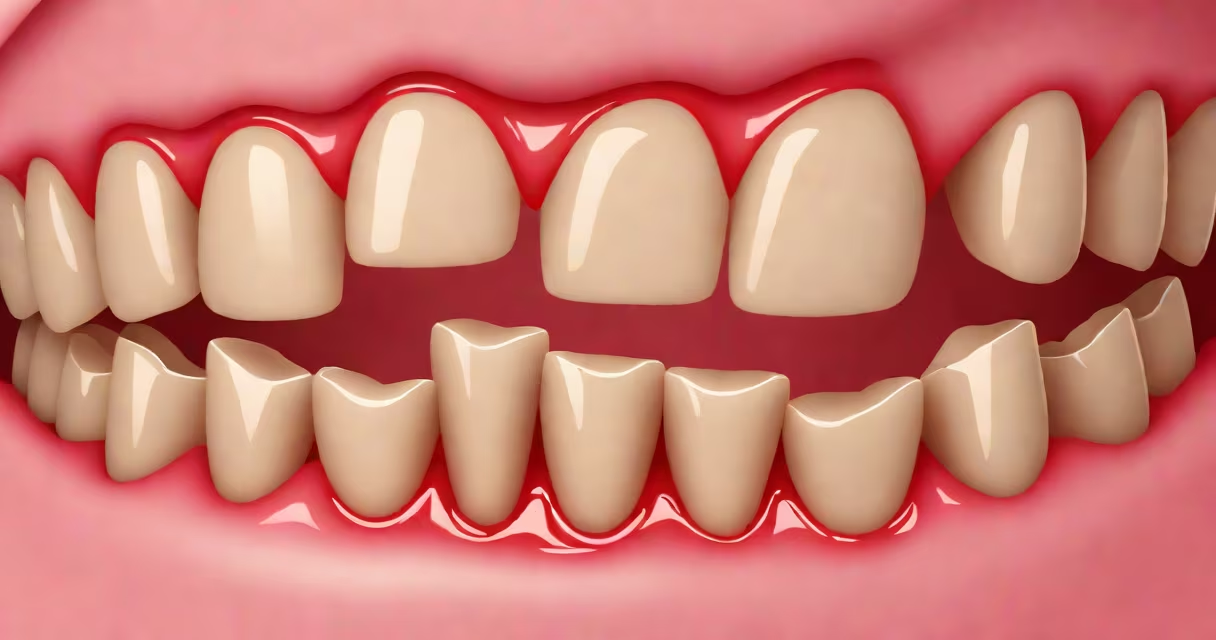
Gums that are red and hurt indicate inflammation, most commonly caused by gingivitis-a reversible form of gum disease triggered by plaque buildup along the gumline. This condition affects nearly half of U.S. adults, according to the CDC.
Redness and tenderness in the gums result from the immune system responding to bacterial biofilm. Plaque accumulates daily on teeth, especially near the gumline. If not removed through brushing and flossing, it hardens into tartar, which irritates the gum tissue and causes swelling, sensitivity, and pain. The American Dental Association confirms that untreated gingivitis can progress to periodontitis, leading to bone loss and tooth mobility.
Common triggers include poor oral hygiene, hormonal changes (such as during pregnancy), certain medications (like anticonvulsants or calcium channel blockers), and systemic conditions such as diabetes. A 2021 study published in the Journal of Periodontology found that individuals with uncontrolled blood sugar levels were 2.3 times more likely to develop severe gingivitis.
When bacteria accumulate in plaque, they release toxins that provoke an inflammatory response. Blood vessels dilate, increasing blood flow to the area-this causes visible redness. Nerve endings in the gums become hyperactive, sending pain signals to the brain. Even light touch, like chewing or brushing, can trigger discomfort.
Swelling occurs because fluid leaks from capillaries into surrounding tissues. This pressure contributes to the sensation of soreness. In advanced cases, pus may form between the tooth and gum, indicating infection. The presence of pus is a clear sign that the condition has progressed beyond mild gingivitis.
A real-world example: A 34-year-old office worker reported persistent gum pain after skipping flossing for two weeks. Upon examination, her dentist found red, swollen gums with bleeding at the base of several molars. A dental probe measured pocket depths of 4 mm-above the normal 1-3 mm-confirming early periodontal involvement.
Red, hurting gums aren't always due to poor brushing. While inadequate cleaning is the top cause, other factors mimic or worsen symptoms:
| Type | Key Features | Typical Cause |
|---|---|---|
| Gingivitis | Redness, swelling, bleeding on brushing | Plaque accumulation |
| Periodontitis | Receding gums, loose teeth, bad breath | Bone and ligament damage |
| Pericoronitis | Pain around wisdom teeth, swelling, fever | Impacted tooth with trapped food |
| Ulcerative gingivitis | Severe pain, grayish membrane on gums | Bacterial infection, often linked to stress or immunosuppression |
Many assume that bleeding gums are normal. The ADA states that bleeding during brushing is not healthy-it's a warning sign. Another myth is that only people with poor hygiene get affected. In reality, hormonal shifts during puberty, pregnancy, or menopause can increase gum sensitivity even in those who maintain good habits.
One non-obvious fact: Gum pain can originate from issues unrelated to oral hygiene. For example, vitamin B12 deficiency can cause painful, ulcerated gums. A 2019 review in Nutrients found that 15% of patients with unexplained gingival pain had low B12 levels. Correcting the deficiency resolved symptoms in 80% of cases.
Red, hurting gums should prompt a visit if they persist beyond five days despite improved hygiene. Early intervention prevents irreversible damage. The American Academy of Periodontology recommends seeing a dentist if you notice any of these:
I once treated a patient whose gums were severely red and tender. He brushed twice daily and used mouthwash-but his technique was incorrect. He was pressing too hard, damaging the gum tissue. After adjusting his brushing method and adding interdental brushes, his symptoms resolved in 10 days.
Preventing red, hurting gums begins with consistent oral care. Brush twice daily using a soft-bristled brush at a 45-degree angle to the gumline. Floss daily to remove plaque from between teeth. Use an antimicrobial mouth rinse-such as chlorhexidine-only under professional guidance, as long-term use can stain teeth.
Regular dental cleanings every six months help remove tartar that brushing can't. If you have risk factors like smoking, diabetes, or autoimmune disorders, your dentist may recommend more frequent visits. A 2020 clinical trial showed that patients with diabetes who received biannual cleanings had a 35% lower incidence of gingivitis compared to those with annual visits.
At-home remedies offer temporary relief but don't treat the root cause. Rinsing with warm salt water reduces swelling and soothes pain. Cold compresses applied externally can ease facial discomfort. However, these do not eliminate plaque or reverse inflammation.
Ignoring red, hurting gums risks tooth loss. Once periodontal pockets deepen past 5 mm, surgical intervention becomes necessary. The cost of treatment increases -non-surgical therapy averages $150 per session, while flap surgery exceeds $2,000.
Red, hurting gums are not a normal part of aging. They are a symptom of underlying inflammation that requires attention. Addressing the cause early stops progression and preserves oral function. If you're unsure whether your symptoms warrant care, consult a licensed dental professional rather than waiting for worsening pain.