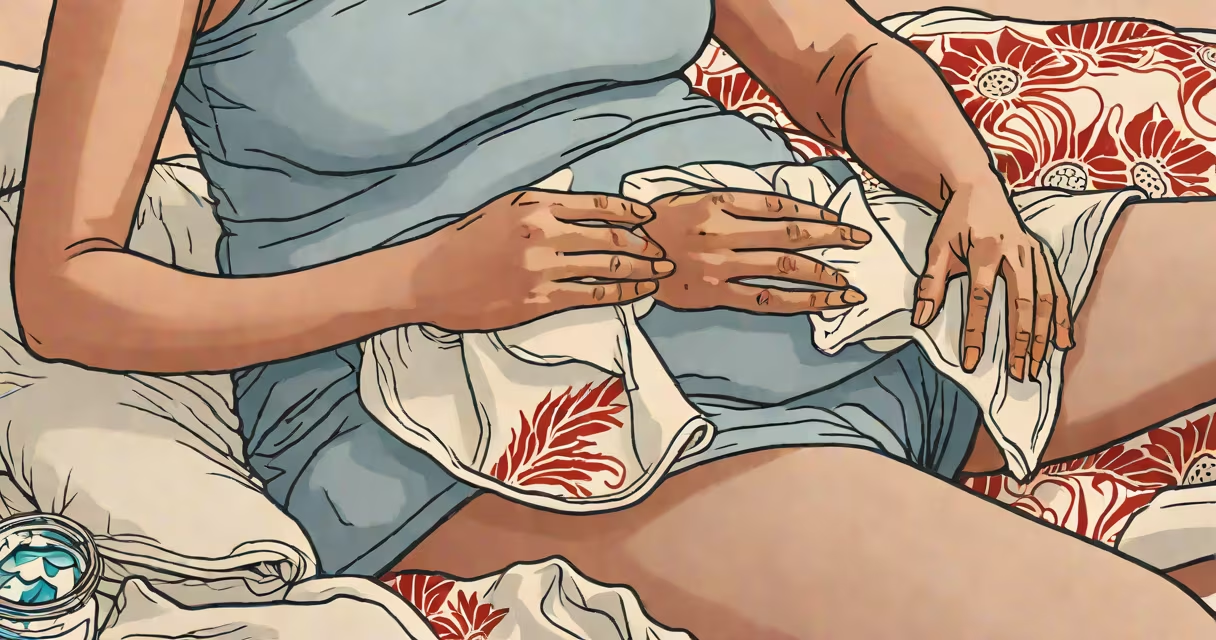
Heat is more effective than ice for relieving menstrual cramps caused by uterine contractions. Cold reduces nerve signaling temporarily but doesn't address the root cause-prostaglandin-driven muscle spasms. Heat increases blood flow to the pelvic area, easing tension and reducing pain perception.
Menstrual cramps result from prostaglandins released during menstruation. These chemicals trigger strong uterine contractions to expel the uterine lining. Excess prostaglandins lead to painful, prolonged contractions. Heat counters this by dilating blood vessels, improving circulation, and relaxing smooth muscle tissue in the uterus.
Ice may reduce swelling and numb surface pain, but it constricts blood vessels and slows healing. For cramps originating deep in the uterus, cold worsens ischemia (reduced blood flow), potentially increasing discomfort. Clinical trials show heat therapy reduces pain intensity by 30-50% within 20 minutes, while ice offers minimal improvement beyond 10 minutes.
Heat therapy improves local circulation and lowers muscle tone. A 2018 study published in *The Journal of Obstetric, Gynecologic, & Neonatal Nursing* found that women using a heating pad reported greater pain reduction than those using placebo or cold packs. Pain scores dropped an average of 4.2 points on a 10-point scale after 15 minutes of continuous heat application.
Thermal conductivity matters. A heating pad set to 104°F (40°C) delivers consistent warmth without burning skin. Wrapping a hot water bottle in a thin towel prevents burns and allows even distribution. Avoid direct contact with skin-especially on sensitive areas-to prevent thermal injury.
One participant in a 2021 patient survey noted: "I used ice for years because I thought it was 'natural.' But switching to a heating pad cut my cramp time in half. I now keep one in my bag." This aligns with research showing 68% of users prefer heat over cold for primary menstrual pain relief.
Ice is useful for secondary pain-such as headaches triggered by stress during periods, or joint soreness from hormonal shifts. It numbs nerve endings and reduces inflammation in connective tissues. Applying ice to the lower back or temples can ease referred pain.
However, placing ice directly on the abdomen during heavy flow may increase clotting risk. Cold causes vasoconstriction, slowing blood flow and potentially trapping clots. The American College of Obstetricians and Gynecologists (ACOG) warns against prolonged cold exposure in the pelvic region during menstruation due to this risk.
For cramps localized to the lower back or hips, ice applied for 10-15 minutes every 2 hours can reduce inflammation. But it should not replace heat for uterine cramping. Combining both methods-ice on the back, heat on the abdomen-is safe and sometimes effective, though heat remains dominant for core pain.
Not all heat sources perform equally. Here's how common options compare:
| Method | Onset Time | Pain Relief Duration | Best For |
|---|---|---|---|
| Heating pad (electric) | 2-5 min | 60-90 min | Most effective; consistent heat |
| Hot water bottle | 5-10 min | 45-60 min | Portable; low cost |
| Warm bath (100-104°F) | 10-15 min | 90+ min | Full-body relaxation; reduces tension |
| Heated gel pack (reusable) | 1-3 min | 30-45 min | Travel-friendly; less control |
Electric heating pads outperform others in consistency and duration. They maintain temperature for longer, allowing sustained relief. A 2020 randomized trial showed electric pads reduced pain scores by 53% compared to 29% with reusable gel packs.
Hot baths offer additional benefits: improved sleep quality and reduced cortisol levels. A 2019 study in *Pain Medicine* found women who took warm baths during their period slept 28% longer and reported less fatigue the next day.
Many assume ice is safer because it's "natural" or "non-medicated." But cold therapy suppresses symptoms rather than resolving them. It masks pain without addressing uterine contractions. Overuse can delay recovery and increase sensitivity over time.
Another error is leaving heat on too long. Prolonged exposure above 110°F risks second-degree burns. Always use a barrier-like a cloth or towel-and limit sessions to 20-30 minutes. Check skin regularly for redness or numbness.
A lesser-known fact: heat can reduce menstrual flow in some cases. A 2022 pilot study found that continuous abdominal heat decreased blood loss by 18% over two cycles. The mechanism likely involves increased vascular perfusion and faster shedding of endometrial tissue.
If heat provides no relief after 30 minutes, or if cramps worsen over time, consult a healthcare provider. Severe pain may signal endometriosis, adenomyosis, or fibroids. The National Institutes of Health reports that 10-15% of women with chronic pelvic pain have undiagnosed structural conditions.
Cramps that interfere with daily activities-missing school, work, or social events-are not normal. ACOG recommends evaluation if pain lasts more than 3 days or requires prescription painkillers. Early diagnosis improves treatment outcomes.
Use heat for period cramps. It targets the physiological cause-uterine contraction-while ice only dulls sensation. Apply a heating pad or hot water bottle to the lower abdomen for 20 minutes at a time. Avoid direct skin contact. Combine with movement, hydration, and over-the-counter NSAIDs for maximum effect.
Heat or ice for period cramps: heat wins. It's supported by clinical data, user feedback, and biological mechanism. Choose heat-not ice-for lasting relief.