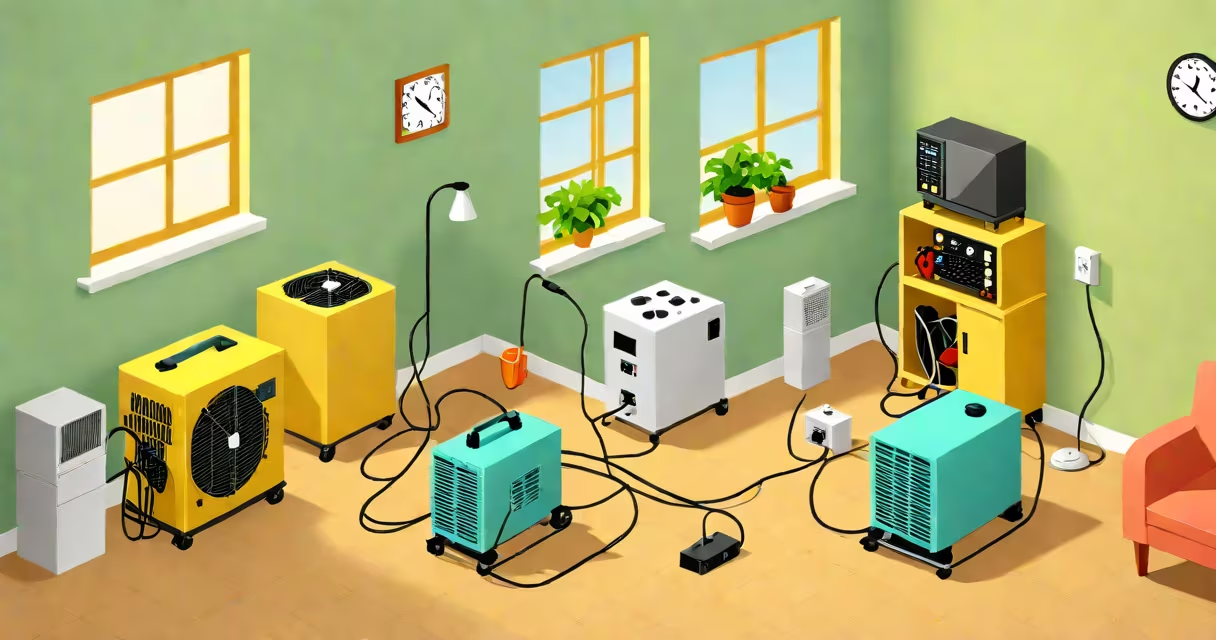
Generators supply electricity to a house by converting fuel into electrical energy through an internal combustion engine or alternator system. They operate either manually or automatically, depending on model type, and connect to circuits via transfer switches or direct wiring.
When a generator runs in a house, it powers essential appliances during outages. A typical portable unit uses gasoline or propane and connects to home circuits via heavy-duty extension cords. Larger standby models run on natural gas or liquid propane and integrate with the home's electrical panel through an automatic transfer switch. Both systems rely on consistent fuel supply and proper grounding to prevent fire or electrical shock.
The core function is conversion: mechanical energy from burning fuel turns a rotor inside a magnetic field, inducing current in copper windings. This produces alternating current (AC) at 120/240 volts, matching standard U.S. household wiring. For safety, all residential generators must comply with National Fire Protection Association (NFPA) 70 and Underwriters Laboratories (UL) standards.
There are two primary ways generators interface with a house's power grid: portable setups and permanent standby systems.
Portable generators require manual connection. You plug devices into the generator's outlets using outdoor-rated extension cords. To power multiple circuits, you use a transfer cord with a locking connector that plugs into a NEMA L14-30 or L22-30 inlet installed on the house exterior. This inlet is wired to a double-pole breaker in the main panel, allowing safe switching between utility and generator power.
Standby generators install permanently near the house foundation. They include a transfer switch that detects power loss within seconds and automatically starts the generator. Once running, the switch transfers the home's load to the generator, then shuts off the utility feed. After utility power returns, the switch reverses the process and shuts down the generator. These systems often use natural gas lines, eliminating the need to store fuel.
| Type | Fuel Source | Startup | Transfer Switch | Runtime |
|---|---|---|---|---|
| Portable | Gasoline, propane | Manual | Optional (external) | 8-12 hours (full tank) |
| Standby | Natural gas, LP | Automatic | Integrated | Unlimited (continuous supply) |
According to the NFPA, 26% of residential generator fires between 2015 and 2020 were caused by improper indoor use. Never operate a generator inside a garage, basement, or under a covered porch. Carbon monoxide emissions from internal combustion engines can reach lethal levels in enclosed spaces.
Most home generators use gasoline, propane, or natural gas. Gasoline offers high energy density but degrades in storage. Propane burns cleaner and lasts longer. Natural gas provides continuous operation if connected to a utility line.
A 5,000-watt portable generator running at 50% load consumes about 1.5 gallons of gasoline per hour. With a 10-gallon tank, runtime is approximately 6.7 hours. Propane tanks (20 lb) last about 10 hours at the same load. Standby generators using natural gas can run continuously as long as the gas line remains active.
One non-obvious fact: generators don't produce stable voltage unless properly regulated. Voltage fluctuations above ±5% can damage electronics. Always use a surge protector or line conditioner between the generator and sensitive devices like computers or medical equipment.
Many people assume that any outlet can handle generator power. This is false. Plugging a generator into a standard wall outlet creates a backfeed hazard. Backfeeding sends power backward through the home's wiring and into the utility grid, risking electrocution for lineworkers and damaging transformers.
Another mistake is overloading. A 3,000-watt generator cannot safely run a 2,000-watt furnace, a 1,200-watt refrigerator, and a 1,000-watt microwave simultaneously. Total load exceeds capacity. The generator may stall or fail to start. Always calculate wattage: add startup (inrush) loads, which can be 2-3 times running watts.
I once observed a homeowner attempt to power a whole house with a 2,500-watt portable unit. He plugged in a sump pump (1,000 W startup), fridge (700 W running), and space heater (1,500 W). The generator tripped within 30 seconds. After checking the manual, we realized startup surge exceeded the rated output. He switched to a 5,000-watt model and used a load calculator to prioritize essentials.
Automatic transfer switches (ATS) are required for standby generators. They monitor utility power and initiate startup within 10 seconds of outage detection. This ensures uninterrupted power for medical devices, refrigeration, and heating systems.
Portable generators lack ATS. Users must manually start the unit, plug in cords, and switch loads. This introduces delay and risk-especially during winter storms or emergencies. For homes in high-risk areas, such as flood zones or regions with frequent ice storms, standby systems provide peace of mind.
According to the Consumer Product Safety Commission (CPSC), 40% of generator-related carbon monoxide deaths occur in homes using portable units indoors or too close to windows. Always place generators at least 20 feet from doors, windows, and vents. Use a battery-powered CO detector in the home to alert occupants to dangerous levels.
Understanding how generators run in a house begins with knowing the difference between temporary and permanent solutions. Portable units offer flexibility. Standby systems deliver reliability. Both require strict adherence to safety protocols. Failure to follow them leads to injury, property damage, or death.