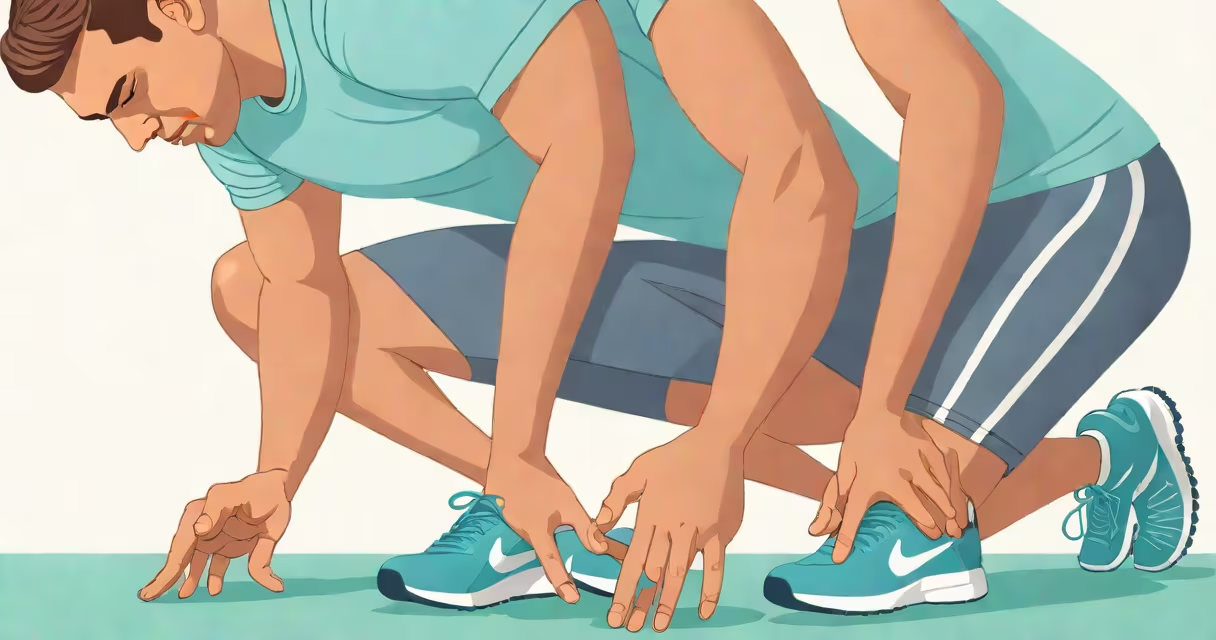
Lower groin pain in males refers to discomfort or ache in the lower abdominal region near the inner thigh and upper pubic bone, typically occurring on one side. It may stem from muscle strain, hernia, nerve entrapment, or referred pain from internal organs. This condition affects men of all ages but is common in athletes and those with physically demanding jobs.
Most cases involve the inguinal region-the area where the lower abdomen meets the upper leg. Pain here can range from sharp and sudden to dull and persistent. It often worsens with movement, lifting, coughing, or straining. While mild cases resolve with rest, persistent or worsening pain requires medical evaluation to rule out serious underlying issues.
Pain arises when tissues, nerves, or muscles in the lower abdomen or pelvic area are irritated, compressed, or injured. The inguinal canal-a passageway through the abdominal wall-houses nerves, blood vessels, and the spermatic cord. When structures within or near this canal become compromised, pain signals travel along sensory nerves to the brain.
For example, a strained adductor muscle in the inner thigh can cause localized tenderness. A small tear in the abdominal wall may allow fatty tissue or part of the intestine to bulge through, forming an inguinal hernia. Nerve compression-such as from piriformis muscle tightness-can send pain down into the groin, mimicking musculoskeletal injury.
Referred pain is another mechanism. Conditions like kidney stones or appendicitis can trigger pain that radiates to the groin. The nervous system sometimes misroutes signals, making the brain interpret pain from the organ as originating in the groin. This is why a man with a urinary tract infection may feel pressure in the lower abdomen rather than the flank.
Lower groin pain in males falls into several categories based on origin. The most frequent include musculoskeletal strain, hernias, nerve compression, and urological or gastrointestinal conditions.
| Type | Key Features | Typical Triggers | When to See a Doctor |
|---|---|---|---|
| Inguinal Hernia | Bulge in groin, especially when standing or coughing; may be reducible. Pain often worsens with exertion. | Lifting heavy objects, chronic coughing, straining during bowel movements. | Pain that doesn't improve with rest; visible swelling; nausea or vomiting. |
| Muscle Strain | Sharp pain during movement, localized tenderness. Often follows sudden motion or sports activity. | Sprinting, kicking, twisting during sports. | Pain persists beyond 48 hours; difficulty walking or bearing weight. |
| Nerve Compression (e.g., genitofemoral nerve) | Burning or tingling sensation; may follow a pattern of radiation to the scrotum or inner thigh. | Prolonged sitting, repetitive hip flexion, spinal issues. | Pain spreads beyond the groin; numbness or altered skin sensation. |
| Referred Pain (e.g., kidney stone, appendix) | Pain may come and go; often accompanied by fever, nausea, or changes in urination. | Dehydration, high calcium intake, recent viral illness. | Severe pain lasting more than 1 hour; blood in urine; inability to urinate. |
A 2021 study published in The Journal of Urology found that 68% of men presenting with unilateral groin pain had either a hernia or a musculoskeletal issue. Only 12% were diagnosed with referred pain from internal organs, highlighting that while systemic causes exist, they're less common than structural ones.
Lower groin pain in males is frequently mistaken for a pulled muscle or minor strain. However, symptoms like a visible bulge, pain that worsens with coughing, or a feeling of heaviness in the scrotum suggest a hernia-not soft tissue injury.
Another common error is attributing pain to "hip problems." The hip joint lies deeper than the groin, and pain from hip arthritis typically radiates to the buttock or outer thigh. True groin pain originates near the pubic bone and may extend inward toward the genitals.
One non-obvious distinction: nerve-related groin pain often feels electric or sharp, not dull. It may flare up during prolonged sitting or after long drives. A man experiencing this pain may report that it "starts in the lower back and shoots down into the groin," which points to lumbar nerve root irritation rather than a local injury.
Consider a 34-year-old male recreational soccer player who reports aching on the right side of his groin after a match. He describes the pain as sharp when he twists to kick. There's no swelling, but he avoids pivoting motions. After two days of rest, the pain persists and now occurs during daily walks.
Initial assessment includes a physical exam: the doctor asks him to stand and cough. A small bulge appears in the right groin crease. The patient winces. This finding suggests a direct inguinal hernia. An ultrasound confirms a 1.2 cm defect in the posterior wall of the inguinal canal with intermittent protrusion of omental fat.
He was referred for surgical repair. Delaying treatment risked incarceration-where the hernia becomes trapped and cuts off blood flow. Early diagnosis prevented complications.
Not all cases require surgery. A 28-year-old office worker with chronic burning pain in the left groin, worse after sitting for hours, was diagnosed with genitofemoral nerve entrapment. Imaging showed no hernia or muscle tear. Treatment included physical therapy targeting the psoas and quadratus lumborum muscles, plus a nerve block. Symptoms resolved in six weeks.
Lower groin pain in males should prompt medical evaluation if it lasts longer than seven days, worsens with activity, or interferes with daily function. Red flags include:
Ignoring these signs increases the risk of complications such as bowel obstruction or testicular torsion. A 2022 review in British Journal of Sports Medicine emphasized that early imaging reduces unnecessary delays in treatment and improves recovery outcomes.
Lower groin pain in males is not a single condition. It's a symptom with multiple origins. Accurate diagnosis depends on history, physical exam, and targeted imaging. Do not assume it's "just a pulled muscle" if it persists. Early intervention prevents progression and restores function.