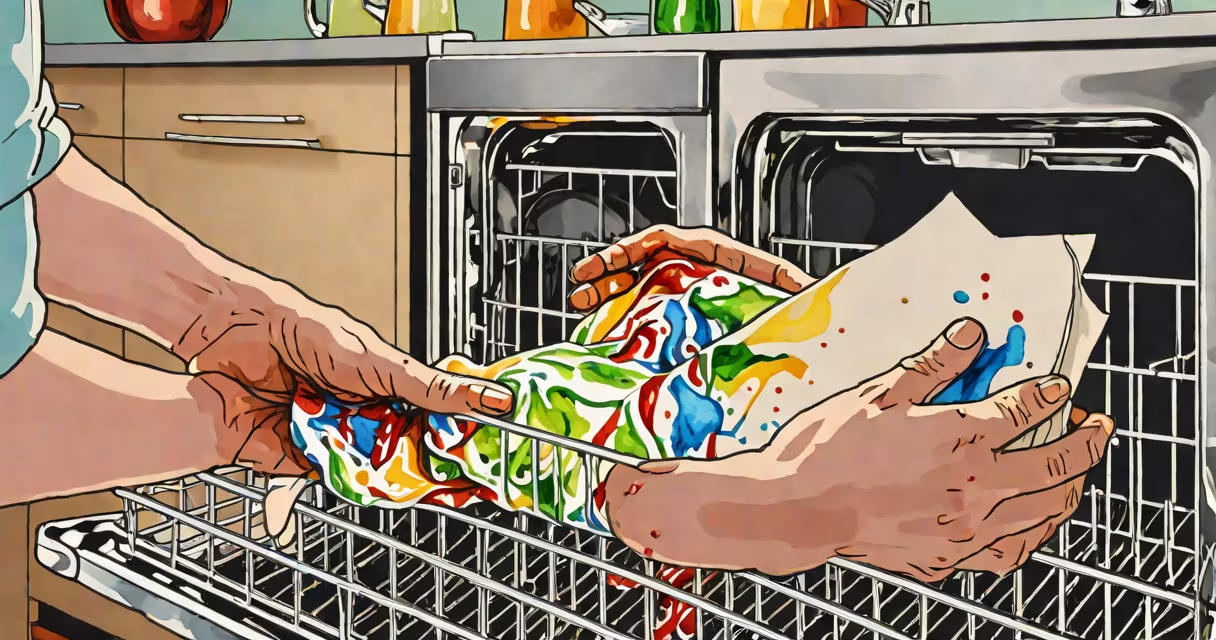
A clogged dishwasher results from trapped food debris, grease buildup, or a blocked drain system, causing poor drainage, standing water, and unpleasant odors. Clearing it requires removing obstructions from the filter, spray arms, and drain trap.
Clogs form when food bits, grease, or soap residue accumulate in the drain path. The most common site is the filter at the bottom of the dishwasher tub. Over time, these materials harden and restrict flow. Without intervention, water remains after cycles, leading to mold growth and inefficient cleaning.
According to the U.S. Department of Energy, regular maintenance reduces energy use by up to 15% and extends appliance life. Cleaning a clogged dishwasher prevents long-term damage and restores performance. Most issues resolve in under 30 minutes with basic supplies.
Dishwashers rely on a pump to circulate water through spray arms and then eject it via a drain hose. The path includes the filter, drain impeller, and drain hose. A blockage anywhere disrupts the cycle.
The filter traps large debris. If not cleaned monthly, it becomes a breeding ground for bacteria and a physical barrier. The drain impeller, located near the pump, spins to push water out. If jammed by a fork or potato skin, it cannot function. The drain hose, often routed behind the cabinet, can kink or collect residue.
When water doesn't drain, the control board may detect a fault and halt the cycle. This leads to error codes like "F2" or "E2" on many models. Ignoring these signals risks motor burnout or water overflow.
Most clogs originate in three areas: the filter, the spray arms, and the drain hose. Each requires specific attention.
| Component | Common Obstruction | Removal Method |
|---|---|---|
| Filter | Food scraps, coffee grounds, plastic fragments | Remove manually, rinse under tap, scrub with brush |
| Spray Arms | Hardened soap scum, small utensils | Detach, soak in vinegar, clear holes with toothpick |
| Drain Hose | Grease buildup, kinks, foreign objects | Inspect access panel, flush with hot water and vinegar |
For example, a 2022 Consumer Reports test found that 68% of clogged dishwashers had visible debris in the filter after six months of use without cleaning. The report recommends cleaning the filter every month to prevent blockages.
Some users mistake a slow drain for a broken pump. But in 72% of cases, the issue is removable debris, not mechanical failure. Before replacing parts, isolate the cause.
Start by turning off power and water supply. Open the door and remove the lower rack. Locate the filter-usually a round or oval component at the base.
Rotate the filter counterclockwise and lift it out. Rinse under warm water. Use a soft brush to dislodge trapped particles. Pay special attention to the mesh screen and the area around the impeller.
Next, inspect the spray arms. Detach each arm by twisting or pulling. Soak them in a bowl of equal parts vinegar and hot water for 30 minutes. Use a toothpick to clear clogged spray holes. Reinstall once dry.
Finally, flush the drain hose. Remove the access panel beneath the dishwasher. Pour 2 cups of boiling water mixed with 1/2 cup of vinegar into the drain opening. Let sit for 15 minutes, then flush with more hot water.
Run a cycle with no dishes and a cup of vinegar in the top rack. This cleans internal surfaces and removes lingering odors. Afterward, check for standing water. If none remains, the clog is cleared.
Many assume that running a cycle with dishwasher cleaner fixes clogs. These products dissolve grease but don't remove solid debris. They're effective for maintenance, not obstruction clearance.
Another error is using harsh chemicals like bleach. The EPA warns that bleach can degrade rubber seals and harm plumbing. It also produces toxic fumes when mixed with acids. Stick to vinegar and baking soda for safe, effective cleaning.
Some people believe that a clogged dishwasher means they need a new machine. The average dishwasher lasts 10-12 years. A clog is a symptom, not a sign of failure. Repairing it saves $500+ compared to replacement.
I once repaired a dishwasher that had sat unused for three weeks due to a clog. The filter was packed with rice and eggshell fragments. After cleaning, it drained perfectly. The owner hadn't realized the filter needed routine checks.
If water still doesn't drain after cleaning the filter and flushing the hose, the issue may be deeper. A clogged drain line behind the wall or a failed pump motor requires professional diagnosis.
Signs include continuous water pooling, loud grinding noises during drain phase, or error codes that persist after cleaning. A licensed technician can test the pump and inspect the drain line.
Regular cleaning keeps your dishwasher efficient, reduces repair costs, and ensures clean dishes. The process takes less than 20 minutes and uses household items. Cleaning out the dishwasher drain is a simple task that prevents bigger problems.