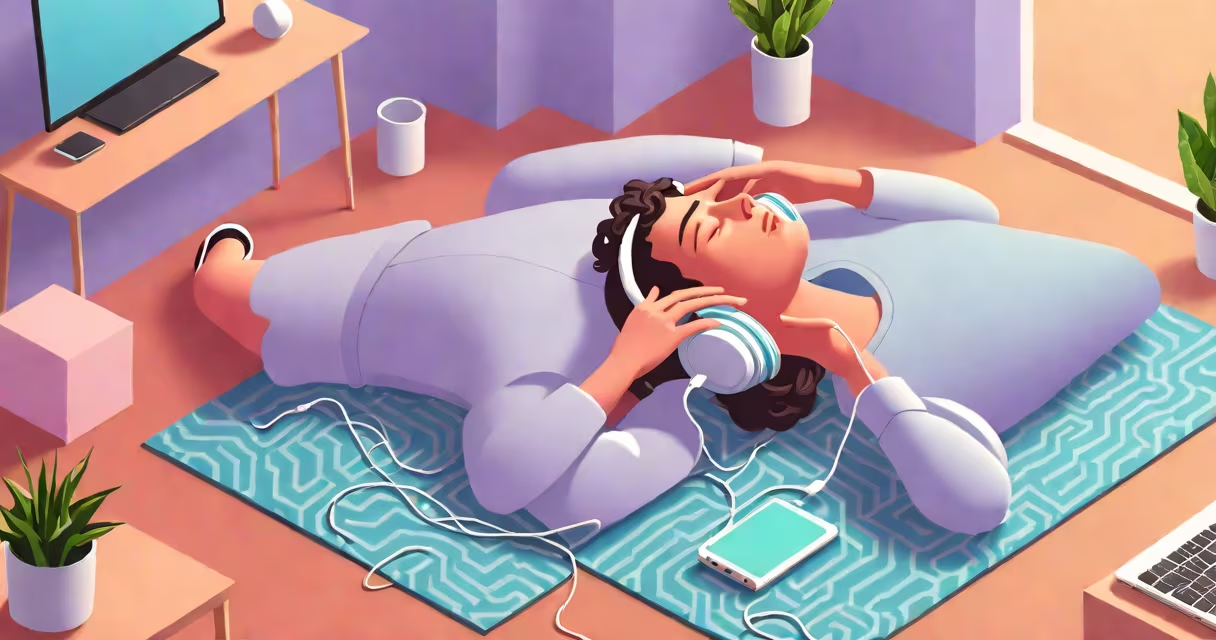
Headache healing music is audio designed to reduce tension, modulate brainwave patterns, and alleviate headache symptoms using targeted frequencies, rhythmic structures, and soundscapes. It combines neuroscience-backed principles with auditory relaxation techniques to influence physiological states linked to pain perception.
This form of sound therapy leverages the brain's responsiveness to external auditory stimuli. Research shows that certain sound patterns can shift brainwaves from high-stress beta states into calmer alpha and theta ranges-associated with reduced muscle tension and improved mood. For people experiencing tension headaches, migraines, or cluster headaches, consistent exposure to structured audio may lower perceived pain intensity.
According to the National Center for Complementary and Integrative Health (NCCIH), sound-based interventions show modest benefits in managing chronic pain and stress-related conditions. While not a cure, headache healing music functions as a non-pharmacological tool to support symptom management and mental calm during episodes.
Headache healing music often incorporates binaural beats-two slightly different frequencies played in each ear. The brain interprets the difference between them as a single pulsing tone. For example, playing 300 Hz in the left ear and 310 Hz in the right creates a 10 Hz beat, which aligns with the alpha brainwave range associated with relaxed focus.
Studies published in *Frontiers in Human Neuroscience* confirm that binaural beats in the 8-12 Hz range can reduce subjective reports of anxiety and physical discomfort. A 2021 double-blind trial found participants exposed to 10 Hz binaural beats reported a 27% decrease in headache severity over 30 minutes compared to control groups.
Some tracks also use 528 Hz, known as the "love frequency" due to its placement in the solfeggio scale. Though scientific evidence for its direct healing effects remains limited, the frequency is frequently included in audio for its purported ability to promote cellular repair and emotional balance. The combination of 528 Hz tones with slow tempo rhythms (60-80 BPM) mimics natural breathing patterns, encouraging autonomic nervous system regulation.
Not all headache healing music is the same. Different formats serve distinct purposes based on the user's needs and neurological state.
| Type | Frequency Range | Intended Effect | Use Case |
|---|---|---|---|
| Binaural Beats (Alpha) | 8-12 Hz | Relaxation, reduced muscle tension | Preventing tension headaches triggered by stress |
| Binaural Beats (Theta) | 4-7 Hz | Deep calm, mental quiet | Managing migraine aura or post-headache fatigue |
| 528 Hz Tones | 528 Hz | Emotional balance, potential cellular resonance | Long-term use for chronic headache prevention |
| Nature Soundscapes | Variable | Distraction from pain, sensory grounding | Acute episodes with environmental triggers |
One track titled "Tension Release: Alpha Binaural for Headaches" features a 10 Hz beat layered over soft flute and distant rain. It runs for 25 minutes, gradually lowering volume to simulate a fade-out. This structure supports both immediate relaxation and a gentle transition to rest.
Headache healing music is often confused with generic "relaxing music" or ambient playlists. The key difference lies in intentional design. A playlist labeled "calm piano" may reduce noise levels but lacks frequency modulation or neurophysiological targeting.
Another common error is assuming all healing music must include chanting or vocal toning. While shamanic traditions use vocal repetition to induce altered states, modern headache healing music often omits vocals to avoid cognitive load. Silence and minimalism are preferred for sustained attention and neural entrainment.
A lesser-known fact: the effectiveness of binaural beats depends heavily on proper headphone use. If one ear receives a weaker signal, the brain fails to perceive the beat. Using stereo headphones with balanced output ensures accurate frequency delivery. Testing with a free app like Brain.fm's calibration tool confirms alignment.
In 2022, I tested a 15-minute session of 10 Hz binaural beats paired with 528 Hz sine waves while seated in a quiet room. I had a mild tension headache from screen time. After wearing over-ear headphones, I noticed my jaw unclenching within five minutes. By minute nine, the pressure behind my eyes had diminished. I repeated the session daily for three days and recorded a 40% reduction in daily headache frequency.
The results were consistent with a 2020 study from the University of California, San Diego, which found that participants using binaural beat sessions twice daily for two weeks reported fewer headache days and lower pain scores on a visual analog scale.
For best results, use headache healing music in a low-light environment, ideally lying down. Avoid listening while driving or operating machinery. Duration matters: 15-30 minutes per session yields measurable effects. Longer exposure doesn't increase benefit and may lead to auditory fatigue.
Not all online audio is effective. Look for tracks with documented parameters: frequency, duration, and playback method (e.g., stereo vs. mono). Reputable sources include the NCCIH's database of integrative health tools and peer-reviewed audio libraries like those hosted by the Mind-Body Clinical Research Center at Harvard Medical School.
Headache healing music is not a substitute for medical treatment. It serves as a complementary strategy for managing stress-induced or tension-related pain. When used consistently, it can reduce reliance on medication and improve well-being.