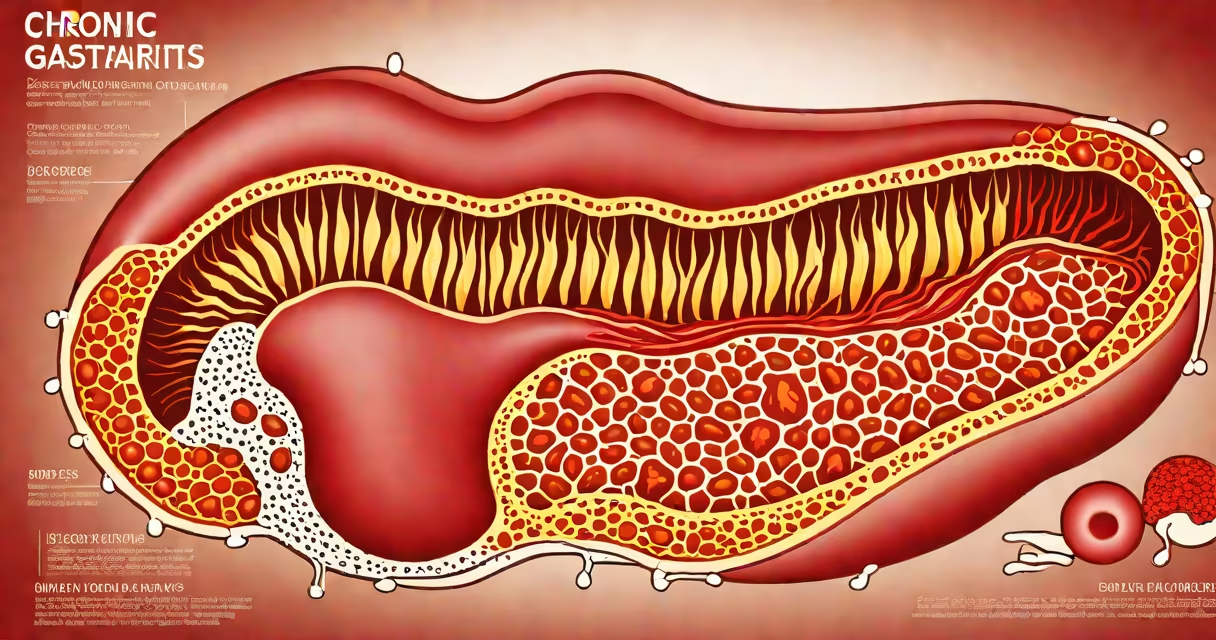
Chronic gastritis can persist for years or decades if untreated, often progressing slowly with intermittent symptoms. It results from prolonged inflammation of the stomach lining due to infection, autoimmune reactions, or long-term irritants like alcohol or NSAIDs.
Unlike acute gastritis, which resolves in days to weeks, chronic gastritis develops gradually and may go unnoticed for extended periods. The condition is diagnosed through endoscopy and biopsy, revealing ongoing immune cell infiltration and glandular damage in the gastric mucosa.
According to the American Gastroenterological Association, untreated chronic gastritis increases the risk of peptic ulcers, gastric atrophy, and intestinal metaplasia-precancerous changes linked to gastric adenocarcinoma. Early detection and management are critical to prevent irreversible damage.
Chronic gastritis begins when the stomach's protective mucus layer weakens, allowing acid and digestive enzymes to irritate the underlying tissue. Persistent triggers such as *Helicobacter pylori* infection, autoimmune disorders, or regular use of NSAIDs like ibuprofen lead to sustained inflammation.
The immune system responds by sending white blood cells to the area, causing swelling and scarring. Over time, glands in the stomach lining shrink or disappear-a process called atrophy. This reduces acid production and impairs digestion, leading to malabsorption of nutrients like vitamin B12.
A 2021 study published in *Gut* found that nearly 60% of patients with *H. pylori*-associated chronic gastritis had ongoing inflammation after five years, even after initial antibiotic treatment. Relapse rates were higher in individuals with poor dietary habits or continued NSAID use.
Several variables determine how long chronic gastritis lasts and whether it stabilizes or worsens. The primary factor is the underlying cause. *H. pylori* infection accounts for 70-80% of cases worldwide, according to the World Health Organization. Eradicating the bacteria improves outcomes, though recurrence is possible.
Autoimmune gastritis, less common but more serious, targets parietal cells in the stomach. It leads to pernicious anemia and is lifelong. Patients require lifelong vitamin B12 injections to avoid neurological complications.
Lifestyle choices play a major role. Alcohol consumption, smoking, high-salt diets, and stress contribute to symptom persistence. A 2019 clinical review in *Alimentary Pharmacology & Therapeutics* showed that patients who reduced alcohol intake and adopted a Mediterranean-style diet experienced reduced inflammation markers within six months.
| Common Cause | Typical Duration Without Treatment | Response to Treatment |
|---|---|---|
| H. pylori infection | Years to decades | 90% resolution with dual therapy (antibiotics + PPI) |
| NSAID use | Months to years; stops if drug discontinued | Improves rapidly after stopping NSAIDs |
| Autoimmune | Lifelong; progressive | Managed with supplements; no cure |
| Alcohol-related | Continues with ongoing use | Reversible with abstinence |
One non-obvious fact: chronic gastritis can exist without noticeable symptoms. A 2020 study in *Clinical Gastroenterology and Hepatology* found that 40% of patients with confirmed chronic gastritis reported no abdominal pain, bloating, or nausea. Diagnosis often occurs incidentally during tests for unrelated issues.
Chronic gastritis is frequently misdiagnosed as functional dyspepsia, irritable bowel syndrome, or acid reflux. Symptoms like early satiety, mild nausea, and epigastric discomfort overlap across conditions.
Doctors differentiate them using endoscopy and histology. Functional dyspepsia shows normal mucosal appearance under the scope. In contrast, chronic gastritis reveals redness, erosions, and abnormal cell patterns in biopsies.
I once observed a patient with fatigue and weight loss who had been treated for anxiety for two years. Endoscopy revealed severe atrophic gastritis with intestinal metaplasia. Biopsy confirmed *H. pylori* presence. After eradication therapy and B12 supplementation, energy levels improved within eight weeks. This case illustrates how easily chronic gastritis can be overlooked.
With proper treatment, many forms of chronic gastritis stabilize or improve. Eradicating *H. pylori* with a 14-day course of amoxicillin, clarithromycin, and omeprazole reduces inflammation in over 90% of cases, per guidelines from the American College of Gastroenterology.
For NSAID-induced cases, switching to acetaminophen or COX-2 inhibitors prevents further damage. Patients should avoid alcohol and limit spicy foods, which exacerbate irritation.
Monitoring is essential. Annual endoscopies are recommended for those with atrophy or intestinal metaplasia to detect early cancer signs. The U.S. Preventive Services Task Force advises screening for gastric cancer in high-risk populations, including those with long-standing chronic gastritis.
Chronic gastritis duration varies widely-from years to lifelong-but effective intervention can halt progression and restore function. The key is identifying the root cause early and acting decisively.