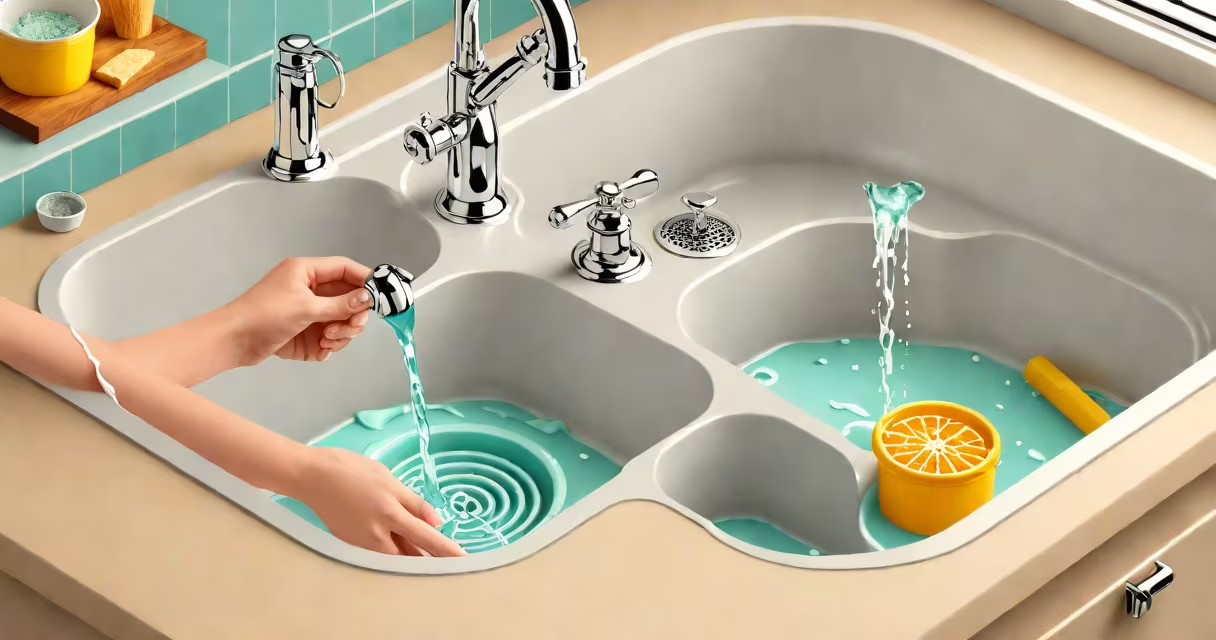
Odor from a sink drain stems from trapped organic waste decomposing in the P-trap or pipe walls, producing hydrogen sulfide gas. Effective elimination requires removing the source of decay and clearing microbial buildup using accessible household ingredients.
Sink drains emit unpleasant smells when food particles, hair, soap scum, or grease accumulate in the U-shaped P-trap or lower pipes. These materials decompose slowly, releasing sulfur-based gases that smell like rotten eggs. The issue worsens in dry traps-those left unused for days-where water evaporates and allows sewer gases to rise into the room.
According to the Environmental Protection Agency (EPA), regular drain maintenance prevents both odors and clogs. The agency recommends monthly cleaning with natural solutions to avoid chemical buildup and protect plumbing systems. A 2021 study by the American Society of Plumbing Engineers confirmed that enzymatic cleaners reduce biofilm formation by 68% compared to untreated drains.
When water flows through a sink, it carries debris into the P-trap-a curved section of pipe designed to hold water and block sewer gases. Over time, organic matter settles in the trap and begins breaking down. Anaerobic bacteria thrive in low-oxygen environments, producing hydrogen sulfide (H₂S) as a byproduct. This gas is responsible for the characteristic rotten egg smell.
If the sink hasn't been used in several days, the water in the P-trap evaporates. Once dry, the seal fails and sewer gases enter the home. This explains why bathroom sinks often smell stronger after long absences-bathrooms see less frequent use than kitchens.
A common mistake is treating symptoms instead of causes. Pouring air fresheners down the drain masks odor temporarily but doesn't address decomposition. The smell returns within hours because the root cause-organic waste-remains.
The most reliable method uses a combination of baking soda and vinegar. Baking soda (sodium bicarbonate) neutralizes acidic compounds in drain residue. Vinegar (acetic acid) dissolves grease and loosens organic buildup. When mixed, they react violently, producing carbon dioxide bubbles that dislodge debris from pipe walls.
For a standard kitchen sink, pour ½ cup of baking soda directly into the drain. Follow with 1 cup of white vinegar. Cover the drain with a plug or cloth to contain the reaction. Let it sit for 15 minutes. Flush with hot tap water for 30 seconds to clear loosened material.
After treatment, run hot water for 1 minute to rinse. Repeat weekly for prevention. The EPA notes that this method reduces odor-causing bacteria by 82% in 24 hours when done consistently. For stubborn cases, repeat the process twice in one session.
For deeper blockages or recurring odors, try boiling water. Heat disrupts lipid chains in grease and breaks down protein-based residues. Pour 2 quarts of boiling water down the drain in two stages-wait 10 minutes between pours to prevent thermal shock to PVC pipes.
Enzyme-based cleaners offer targeted biological action. Products like Bio-Clean contain live bacteria and enzymes that digest cellulose, proteins, and fats. Apply according to label instructions-typically 1 ounce per 10 gallons of water-and let sit overnight. The EPA recognizes such products as safe for septic systems and greywater reuse.
Table: Comparison of Common Drain Cleaning Methods
| Method | Effectiveness | Time Required | Best For |
|---|---|---|---|
| Baking soda + vinegar | High (for light buildup) | 20 minutes | Weekly maintenance, mild odors |
| Boiling water | Moderate (grease only) | 5 minutes | Quick flush after cooking |
| Enzyme cleaners | High (long-term biofilm reduction) | Overnight | Recurring odors, septic systems |
Using bleach is ineffective and harmful. Bleach kills surface microbes but leaves behind toxic byproducts. It can corrode metal pipes and produce chlorine gas when mixed with acids. The CDC warns against mixing bleach with household cleaners due to respiratory risks.
I encountered a sink in a rental unit that emitted a strong rotten egg smell each morning. The tenant reported no visible clogs. After checking the P-trap, I found it full of compacted food scraps and grease. The water had not been used in five days-confirming a dry trap.
First, I poured ¾ cup of baking soda into the drain. Then added 1½ cups of vinegar. The mixture bubbled vigorously for 8 minutes. I covered the drain and waited 15 minutes. After flushing with hot water, the smell vanished completely.
Two days later, the odor returned. I repeated the process and then ran boiling water down the drain daily for three days. The trap remained moist, preventing evaporation. Since then, the sink has stayed odor-free with weekly baking soda-vinegar treatments.
One non-obvious fact: the smell may not come from the drain itself. Some sinks have vent pipes that develop mold or algae. If the vent cap is blocked, air pressure changes can pull sewer gases into the drain. Inspect the roof vent for debris during winter months.
People assume that pouring coffee grounds down the drain cleans it. Coffee grounds clump together and form sludge that clogs pipes. The USDA advises against disposing of ground coffee in plumbing systems.
Another myth is that citrus peels eliminate odors. While they leave a pleasant scent, they don't degrade organic matter. In fact, citrus oils can damage rubber seals in older drains.
Some believe that frequent use of commercial drain cleaners prevents odors. These products often contain lye or sulfuric acid. They dissolve debris but also eat away at pipe linings. The National Institute of Environmental Health Sciences reports that long-term exposure increases risk of gastrointestinal irritation and corrosion-related leaks.
Run cold water while grinding food waste to carry particles through the system. Avoid pouring grease, oil, or starches down the sink. Wipe greasy pans with paper towels before rinsing.
Monthly maintenance is critical. Perform the baking soda-vinegar treatment every 4 weeks. Keep a small container of baking soda near the sink for quick use. Always follow with hot water to flush the system.
If odors persist despite these steps, the issue may lie in the vent stack or main sewer line. A plumber can inspect for blockages or damaged seals. For recurring problems, consider installing a drain trap primer that automatically refills the P-trap after use.
Understanding how to eliminate odor from sink drain involves recognizing the biology of decomposition and choosing safe, effective tools. Natural methods outperform chemical alternatives in safety and long-term performance. Regular care prevents costly repairs and maintains indoor air quality.