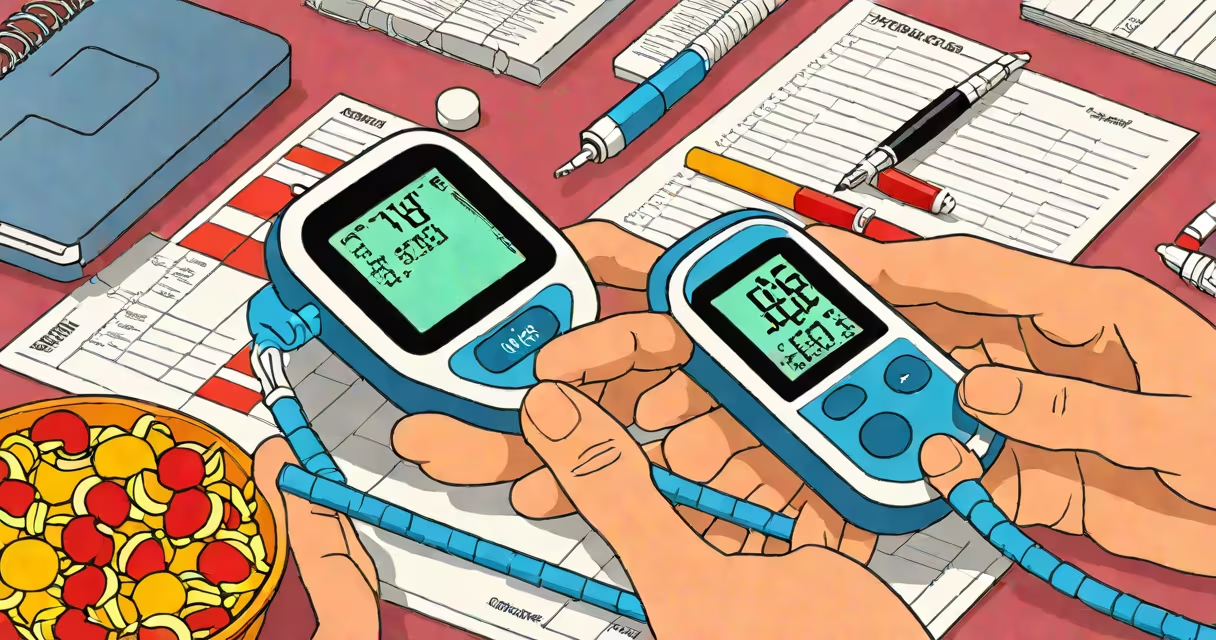
Low blood sugar, or hypoglycemia, occurs when blood glucose falls below 70 mg/dL. It disrupts brain function and triggers physical symptoms. This condition primarily affects people with diabetes but can occur in others due to medication, fasting, or medical disorders.
Blood glucose is the body's primary fuel. Insulin lowers blood sugar by helping cells absorb glucose. When insulin action exceeds glucose availability, levels drop. The liver normally releases stored glucose during fasting, but failure to do so can cause hypoglycemia.
For people using insulin or sulfonylurea medications, excess doses or missed meals can trigger low blood sugar. These drugs stimulate insulin release regardless of current glucose levels. A 2021 study in *Diabetes Care* found that 14% of insulin users experienced at least one episode of symptomatic hypoglycemia per month.
The brain relies almost exclusively on glucose. When levels fall, the adrenal glands release epinephrine (adrenaline), causing shakiness, sweating, and rapid heartbeat. The body also signals hunger to prompt food intake and restore balance.
Hypoglycemia varies by timing and context. Fasting hypoglycemia occurs after prolonged periods without eating. Reactive hypoglycemia appears within hours of eating, often due to excessive insulin secretion after meals. Both types may indicate underlying metabolic issues.
| Type | Timing | Common Causes | Associated Conditions |
|---|---|---|---|
| Medication-induced | Any time | Insulin, sulfonylureas, meglitinides | Diabetes treatment |
| Fasting | After 6-12 hours without food | Prolonged fasting, alcohol consumption | Alcohol-induced hypoglycemia, liver disease |
| Reactive | 1-4 hours after meals | Postprandial insulin overproduction | Post-gastric bypass, insulinoma |
| Functional | Unpredictable | Unknown origin, often in children | Idiopathic, rare in adults |
Alcohol impairs the liver's ability to produce glucose. Drinking heavily without eating can cause severe hypoglycemia, especially in people with diabetes. The American Diabetes Association notes that alcohol increases the risk of hypoglycemia by 30% in insulin-treated individuals.
Non-diabetic hypoglycemia is less common but serious. It may stem from tumors that secrete insulin (insulinomas), liver or kidney failure, or adrenal insufficiency. These conditions impair glucose regulation mechanisms.
Insulinomas are rare, occurring in about 1 in 1 million people annually. They secrete insulin continuously, even when blood sugar is low. Diagnosis requires a 72-hour fast under medical supervision. During such a fast, blood glucose drops below 55 mg/dL while insulin remains elevated-a key diagnostic sign.
People with advanced liver disease cannot store or release glucose effectively. Kidney failure reduces clearance of insulin and glucose-lowering drugs. Adrenal insufficiency limits cortisol production, which normally raises blood sugar during stress. Without cortisol, the body struggles to maintain glucose levels.
Low blood sugar symptoms mimic anxiety, panic attacks, or neurological events. Shaking, dizziness, confusion, and palpitations are shared features. Misdiagnosis can delay proper treatment.
A 2019 study in *The Lancet Diabetes & Endocrinology* found that 38% of patients presenting with fainting or seizures were initially misdiagnosed with epilepsy. Only after measuring blood glucose during an episode was hypoglycemia confirmed. This highlights the importance of testing during symptoms rather than relying on clinical appearance.
One non-obvious fact: Some people with long-term diabetes lose the ability to feel early warning signs of low blood sugar. This condition, called hypoglycemia unawareness, increases the risk of severe episodes. The body stops releasing adrenaline in response to falling glucose, so symptoms like sweating and trembling disappear. The American Diabetes Association reports that 30% of people with type 1 diabetes develop this over time.
In 2022, a 45-year-old woman reported fatigue and tremors two hours after lunch. She had no history of diabetes. Her fasting glucose was normal, but after a meal, her blood sugar dropped to 52 mg/dL. She consumed a high-carbohydrate meal (e.g., pasta with sauce and bread), which triggered a large insulin surge. Glucose levels fell sharply afterward.
Further testing revealed elevated insulin levels during a hypoglycemic episode. A diagnosis of reactive hypoglycemia was made. Dietary changes-reducing refined carbs and increasing protein and fat-improved her symptoms. She now eats balanced meals and checks glucose when feeling unwell.
If you experience frequent episodes of confusion, weakness, or loss of consciousness, see a healthcare provider. Low blood sugar can lead to seizures, coma, or permanent brain damage if untreated.
For people with diabetes, checking blood glucose before driving or operating machinery is essential. The American Diabetes Association recommends keeping fast-acting glucose (like glucose tablets or juice) available at all times.