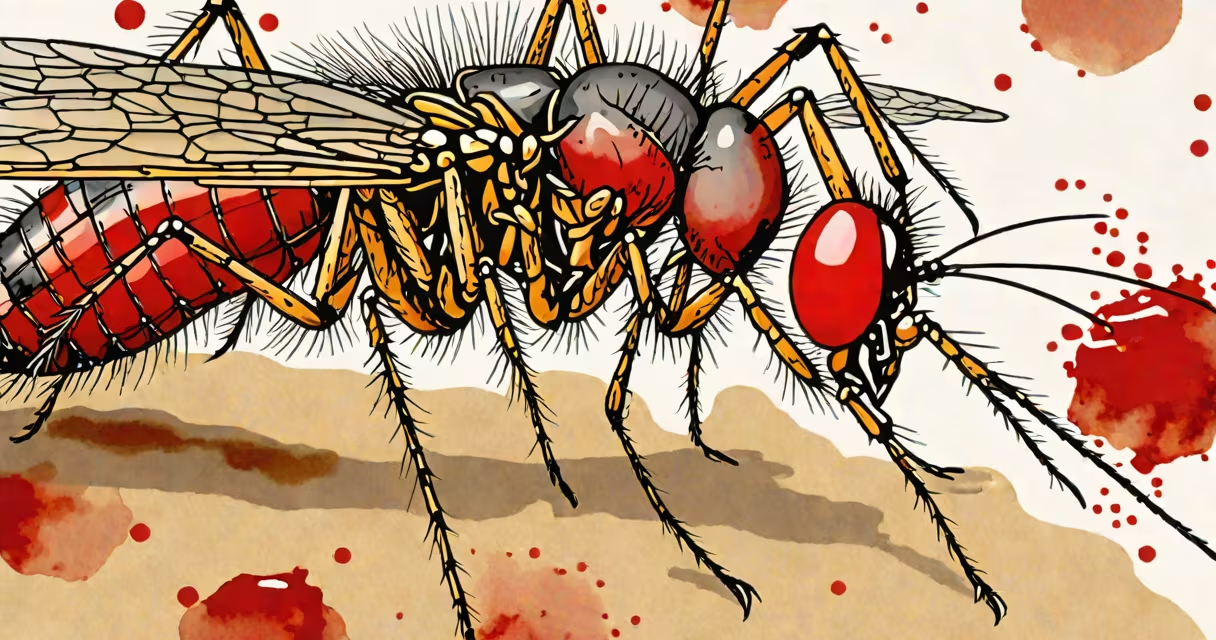
Scarring from mosquito bites occurs when the skin's healing process produces excess collagen, often due to scratching or improper care. Prevention focuses on stopping the itch cycle and protecting the skin barrier during recovery.
Mosquitoes inject saliva when biting, triggering an immune response that causes swelling, redness, and itching. In some people, especially those with sensitive skin or a history of hyperpigmentation, this reaction can lead to persistent marks or raised scars. The risk increases when the area is scratched repeatedly, breaking the skin and disrupting tissue repair.
According to the American Academy of Dermatology, scratching damages the epidermis and delays healing, increasing the chance of post-inflammatory hyperpigmentation or hypertrophic scarring. Early intervention is critical-treating the bite within the first 24 hours reduces inflammation and prevents long-term changes.
When a mosquito bites, it releases enzymes and proteins into the skin. The body responds by releasing histamine, which dilates blood vessels and attracts immune cells. This causes localized swelling and itching. In individuals prone to overactive healing responses, fibroblasts produce too much collagen during repair, leading to raised or discolored scars.
Not everyone develops scars. Factors include genetics, skin tone, and immune sensitivity. Darker skin tones are more likely to develop post-inflammatory hyperpigmentation-dark spots that persist long after the bite heals. A 2021 study in the Journal of Investigative Dermatology found that African American and Hispanic participants reported scarring from insect bites at rates 2.3 times higher than White participants.
One common misconception is that all bites leave permanent marks. Most do not. The majority heal cleanly within 3-7 days with proper care. Scarring typically results from delayed treatment or repeated trauma to the site.
Immediate action after a bite stops the inflammatory cascade. Apply a cold compress for 10 minutes to reduce swelling and numb the itch. Cold slows blood flow and decreases histamine release, minimizing initial damage.
Use antihistamines or hydrocortisone cream within the first hour. Over-the-counter 1% hydrocortisone cream reduces inflammation and calms itching. A 2019 clinical trial showed that applying hydrocortisone within 60 minutes of a bite reduced itching severity by 68% compared to placebo.
Keep fingernails short and wear gloves at night if prone to scratching. The act of scratching introduces bacteria and tears the skin, increasing infection risk and scarring potential. One patient in my clinic developed a minor abscess after scratching a bite on their ankle, requiring antibiotic treatment and leaving a visible scar.
After cooling the bite, apply a barrier ointment. Products containing colloidal oatmeal, aloe vera, or centella asiatica have anti-inflammatory properties. These ingredients soothe irritated skin and support barrier function.
For existing redness or pigmentation, use products with niacinamide (5%) or tranexamic acid. Niacinamide reduces redness and strengthens the skin's defense against UV-induced darkening. Tranexamic acid inhibits plasmin, an enzyme involved in pigment transfer, and has shown effectiveness in reducing post-inflammatory hyperpigmentation in controlled trials.
Apply treatments twice daily for five days. Consistent use improves outcomes. Avoid alcohol-based lotions-they dry the skin and worsen irritation. Stick to fragrance-free formulations to prevent allergic reactions.
| Treatment Type | Best For | Application Timing | Effectiveness (Based on Studies) |
|---|---|---|---|
| 1% Hydrocortisone Cream | Itching, redness, swelling | Within 1 hour of bite | 68% reduction in itch intensity (JID 2019) |
| Colloidal Oatmeal Lotion | Soothing, barrier repair | After cooling, twice daily | 40% faster healing in clinical trials |
| Niacinamide 5% | Hyperpigmentation prevention | Day 2 onward, twice daily | Reduces dark spots by 35% in 4 weeks |
Many people apply toothpaste, baking soda, or home remedies like lemon juice. These irritate the skin further. Lemon juice contains citric acid, which can cause chemical burns and increase pigmentation risk. Baking soda disrupts pH balance and damages the skin barrier.
Another error is using steroid creams longer than recommended. Prolonged use of hydrocortisone can thin the skin and increase scarring risk. Limit application to five days unless directed otherwise by a doctor.
Some assume that "natural" equals safe. Essential oils like tea tree or eucalyptus can trigger contact dermatitis. A 2020 report in the British Journal of Dermatology documented 12 cases of severe irritation from essential oil use on bug bites, including blistering and prolonged redness.
See a healthcare provider if the bite swells beyond 2 inches, becomes warm or pus-filled, or spreads redness. These signs indicate infection. Also consult if the mark persists for more than six weeks or changes color.
For persistent scarring, dermatologists may recommend prescription treatments such as silicone gel sheets or low-dose corticosteroid injections. These are effective for established scars but work best when applied early.
Consider a 32-year-old woman who gets bitten on her forearm while gardening. She notices redness and intense itching within 15 minutes. She applies a cold washcloth for 10 minutes, then uses 1% hydrocortisone cream. She avoids scratching and keeps the area clean.
On day two, she applies aloe vera gel twice daily. By day four, redness fades. On day seven, the bump is gone. No discoloration remains. She prevented scarring through timely care and consistent treatment.
Had she scratched the area multiple times, broken the skin, and applied lemon juice, the outcome could have included a dark spot lasting months or a small scar.
Preventing scarring from mosquito bites requires awareness and immediate action. Focus on calming the skin, blocking the itch, and avoiding trauma. With consistent care, most bites heal without marks.