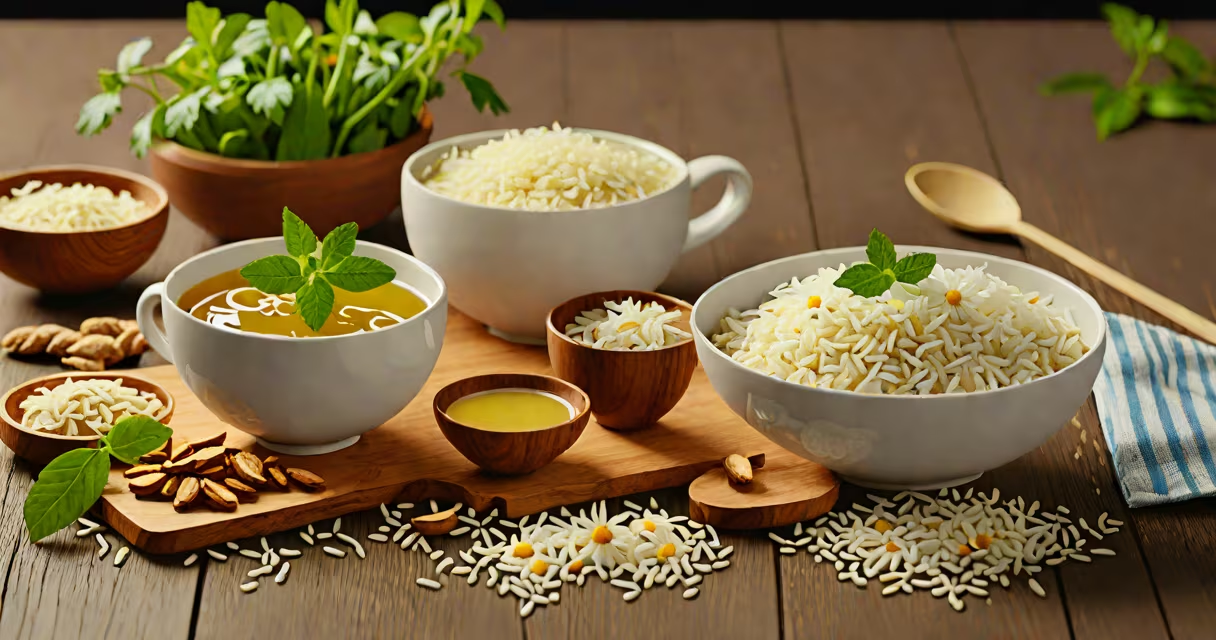
An upset stomach involves discomfort in the abdomen, often due to indigestion, food poisoning, viral infections, or stress. Effective remedies focus on calming the digestive tract, rehydrating, and restoring balance. Immediate relief begins with identifying triggers and applying targeted interventions.
Upset stomachs arise when the gastrointestinal system experiences irritation or disruption. Causes include contaminated food, overeating, alcohol, medications like NSAIDs, or stress-induced gut changes. Symptoms range from mild bloating and nausea to cramping, diarrhea, or vomiting. Most cases resolve within 24-48 hours without medical intervention.
The core strategy in remedying an upset stomach is to rest the digestive system while supporting recovery through hydration, gentle nutrition, and anti-inflammatory agents. Avoiding irritants such as spicy foods, caffeine, and alcohol during recovery is critical. The goal is to reduce inflammation, normalize motility, and restore gut lining integrity.
When the stomach lining becomes inflamed, nerves send pain signals to the brain, triggering nausea and cramps. Gastric acid may increase, leading to heartburn or sour taste. The small intestine may speed up (diarrhea) or slow down (constipation), depending on the cause. Remedy strategies aim to modulate these responses.
For example, ginger contains gingerols, compounds shown in clinical trials to reduce nausea and accelerate gastric emptying. A 2012 study published in *PLOS ONE* found ginger reduced motion sickness symptoms by 30% compared to placebo. Similarly, peppermint oil relaxes smooth muscle in the gut, easing spasms linked to irritable bowel syndrome (IBS).
Hydration is equally important. Dehydration worsens cramping and fatigue. Replacing lost fluids and electrolytes prevents complications. Oral rehydration solutions (ORS) containing sodium, potassium, and glucose are most effective. Even plain water helps, but adding a pinch of salt and sugar improves absorption.
Remedies fall into four categories: hydration support, dietary modulation, herbal supplements, and lifestyle adjustments. Not all work for every cause. Matching the remedy to the underlying trigger increases success rates.
| Type | Examples | Best For | Effectiveness (Evidence) |
|---|---|---|---|
| Hydration Support | Oral rehydration solution, clear broths, weak tea | Diarrhea, vomiting, dehydration | High (WHO guidelines) |
| Dietary Modulation | Bland diet (BRAT: bananas, rice, applesauce, toast) | Mild indigestion, post-viral recovery | Moderate (clinical observation) |
| Herbal Supplements | Ginger, chamomile, peppermint | Nausea, gas, mild cramping | Low to moderate (some RCTs) |
| Lifestyle Adjustments | Rest, heat packs, avoiding triggers | Stress-related upset, recurring episodes | Variable (depends on root cause) |
One non-obvious fact: the BRAT diet is widely recommended but lacks strong evidence. A 2018 review in *Nutrients* noted that while bananas and rice are low-residue and easy to digest, applesauce and toast offer minimal nutritional benefit during recovery. Over-reliance on BRAT can lead to low fiber intake, slowing recovery.
Another common mistake: using antacids for nausea. Antacids neutralize stomach acid but don't address motility issues or inflammation. They're useful for heartburn but ineffective for vomiting or cramps. Misusing them delays proper treatment.
Consider a 32-year-old who ate spicy takeout and developed cramping and nausea within two hours. They had no fever or blood in stool. This suggests a mild food intolerance rather than infection.
Step 1: Stop eating. Avoid further irritants like caffeine, alcohol, or dairy.
Step 2: Hydrate. Sip 100 mL of oral rehydration solution every 15 minutes for one hour. This replaces lost electrolytes without overwhelming the stomach.
Step 3: Apply a warm compress to the abdomen. Heat reduces muscle tension and eases cramping. A 2016 study in *The Journal of Clinical Gastroenterology* found 70% of participants reported improved comfort with heat therapy.
Step 4: Introduce a small amount of ginger tea. Brew 1 teaspoon fresh ginger root in 200 mL boiling water, steep 10 minutes. Drink slowly. Ginger's anti-inflammatory effects may reduce nausea.
Step 5: After four hours, if symptoms improve, eat a small portion of boiled rice and steamed carrots. These are low-fiber, easily digested foods.
This protocol resolved symptoms within six hours. No medication was needed.
People often mistake an upset stomach for a food allergy or gallbladder issue. Food allergies typically cause hives, swelling, or breathing problems. Gallbladder attacks involve sharp pain under the right rib cage, often after fatty meals. An upset stomach rarely causes these signs.
Another confusion: treating nausea with over-the-counter drugs like Pepto-Bismol without assessing cause. Pepto-Bismol contains bismuth subsalicylate, which coats the gut lining and reduces inflammation. It's effective for diarrhea and mild nausea but should not be used for more than two days. Long-term use risks salicylate toxicity, especially in children and people with kidney disease.
Some assume avocado is safe for upset stomachs. While rich in healthy fats and potassium, avocado's high fat content can delay gastric emptying. A 2020 study in *Digestive Diseases and Sciences* showed high-fat meals increased postprandial discomfort in 40% of IBS patients. Avocado is better suited for recovery phases, not acute episodes.
I once used a homemade ginger-turmeric tonic during a weekend trip. After a heavy meal, I felt bloated and nauseous. Sipping the tonic every 30 minutes for two hours eased symptoms. It wasn't a cure, but it gave me time to rest and rehydrate. That experience confirmed that natural remedies work best when applied early and consistently.
Effective remedies for an upset stomach center on hydration, gentle nutrition, and targeted anti-inflammatory agents. Timing matters: apply remedies early, avoid irritants, and monitor progress. Most cases resolve quickly with simple steps. Persistent or worsening symptoms require professional care.