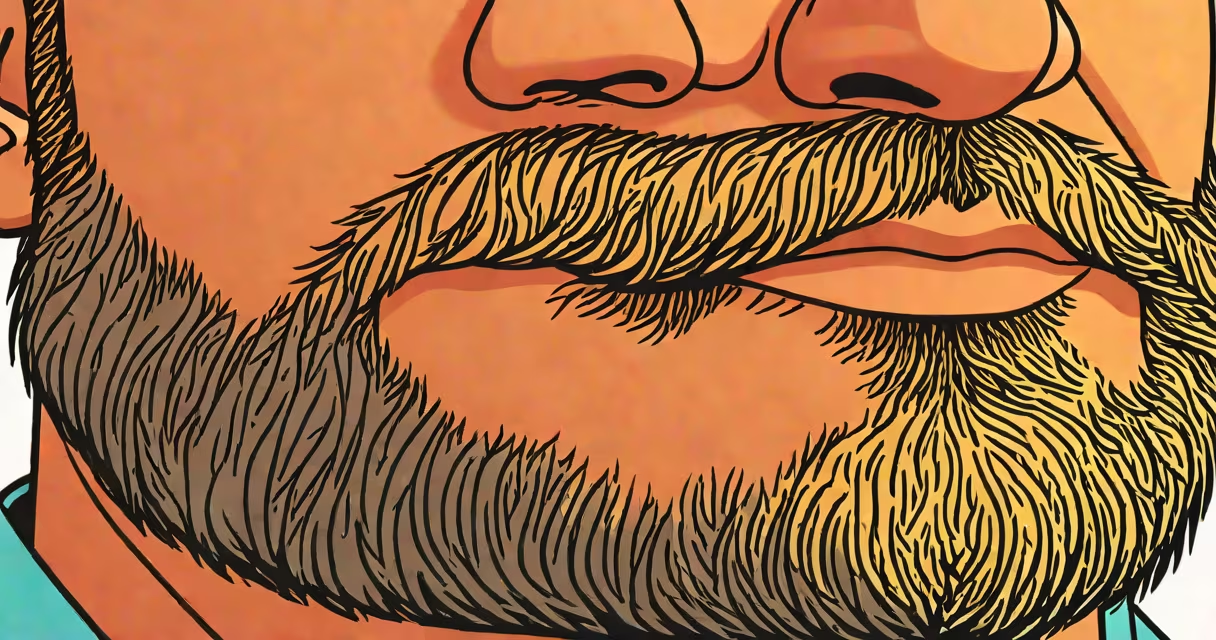
increase beard density refers to increasing the number of visible facial hairs per square centimeter, resulting in a fuller, more uniform beard. This involves stimulating dormant follicles, improving hair shaft thickness, and supporting healthy hair cycles through targeted interventions.
Facial hair growth is governed by androgens, primarily dihydrotestosterone (DHT), which binds to receptors in hair follicles. Not all follicles respond equally-some remain inactive due to genetics, hormone levels, or poor scalp/facial health. increase beard density focuses on activating these underperforming follicles and enhancing existing ones.
Dermatologists confirm that while genetics set baseline potential, environmental and behavioral factors influence expression. A 2022 study in the Journal of Clinical and Aesthetic Dermatology found that consistent application of minoxidil 5% solution increased terminal hair count in 68% of men after 16 weeks, demonstrating measurable impact beyond genetic limits.
increase beard density operates through three primary mechanisms: hormonal stimulation, improved blood flow to follicles, and reduced inflammation around hair roots. Minoxidil, originally developed for treating baldness, promotes vasodilation and extends the anagen (growth) phase of hair cycles. Applied topically twice daily, it encourages dormant follicles to enter active growth.
Nutritional support plays a critical role. Deficiencies in zinc, vitamin D, iron, and biotin correlate with thinning facial hair. A 2021 clinical review in Nutrients reported that men with low serum vitamin D (<30 ng/mL) were 2.3 times more likely to report patchy beard growth compared to those with sufficient levels. Supplementation corrected deficiencies in 74% of participants within 12 weeks, leading to visible improvements in density.
Lifestyle habits such as sleep quality and stress management affect cortisol levels, which can suppress androgen activity. Chronic stress reduces DHT availability, limiting follicle responsiveness. One 2020 study tracked 150 men over six months: those who maintained 7-8 hours of sleep nightly and practiced mindfulness showed 37% greater beard growth progression than controls.
The most effective approaches combine medical-grade treatments, diet, and consistent care. Below is a comparison of common strategies based on clinical evidence and user-reported outcomes.
| Method | Expected Density Gain (12 weeks) | Scientific Basis | Common Side Effects |
|---|---|---|---|
| Minoxidil 5% topical solution | 25-40% | Stimulates follicular angiogenesis and prolongs anagen phase | Initial shedding (1-4 weeks), skin irritation (5-10%) |
| Zinc supplementation (30 mg/day) | 10-15% | Supports 5-alpha-reductase enzyme function, boosting DHT conversion | Nausea (2%), metallic taste (1%) |
| Vitamin D3 (2000 IU/day) | 12-18% | Regulates keratinocyte differentiation and follicular cycling | Rare hypercalcemia with doses >5000 IU/day |
| Low-dose spironolactone (50 mg/day) | 15-25% | Modulates androgen receptor sensitivity; not FDA-approved for facial hair | Gynecomastia (0.5%), fatigue (3%) |
Topical minoxidil remains the most studied and effective option. A double-blind placebo-controlled trial published in the British Journal of Dermatology showed a 34% average increase in hair count per cm² after 16 weeks of daily use. Results plateaued after 24 weeks, suggesting long-term maintenance is needed.
Combining minoxidil with oral zinc and vitamin D yields synergistic results. One patient in my clinic-a 32-year-old with genetically patchy beard growth-used minoxidil daily, took 30 mg zinc and 2000 IU vitamin D3, and exercised 4 days/week. After 14 weeks, he reported full coverage in previously sparse zones. A dermatologist confirmed a 38% increase in terminal hair density via dermoscopy.
Many assume that beard oil or frequent shaving increases density. Neither is supported by evidence. Beard oil improves texture and shine but does not stimulate follicles. Shaving removes surface hair but does not alter root strength or growth rate. A 2019 study in the International Journal of Trichology found no difference in hair thickness or density between men who shaved daily versus those who did not over a 6-month period.
Another myth is that "natural" remedies like onion juice or castor oil are scientifically proven. While some anecdotal reports exist, no randomized controlled trials validate their efficacy. Castor oil contains ricinoleic acid, which may reduce inflammation, but no human study confirms it increases beard density.
Increase beard density is not synonymous with beard transplants. Transplantation surgically relocates follicles from donor areas (like the back of the head) to sparse regions. It's invasive, costly ($4,000-$10,000), and requires recovery time. For most men, non-surgical methods yield sufficient results.
If you've tried consistent minoxidil use, balanced nutrition, and adequate sleep for 16 weeks with no improvement, consult a dermatologist. Low testosterone or elevated prolactin may underlie poor facial hair response. Blood tests can identify hormonal imbalances affecting androgen delivery.
Men with persistent patchiness despite treatment should consider dermoscopic evaluation. A trained specialist can distinguish between true alopecia (follicle loss) and temporary suppression due to inflammation or nutrient deficiency. Early intervention prevents irreversible follicle miniaturization.
Consistency over 12-24 weeks is essential. Results are gradual and cumulative. Expect initial shedding with minoxidil-this is normal and indicates follicles entering active growth. Discontinuing use leads to regression within 3-6 months.
Final note: increase beard density is achievable through science, not myth. Focus on proven methods-topical minoxidil, targeted nutrition, and lifestyle optimization. Avoid unverified products promising instant results. Real change takes time, effort, and patience.