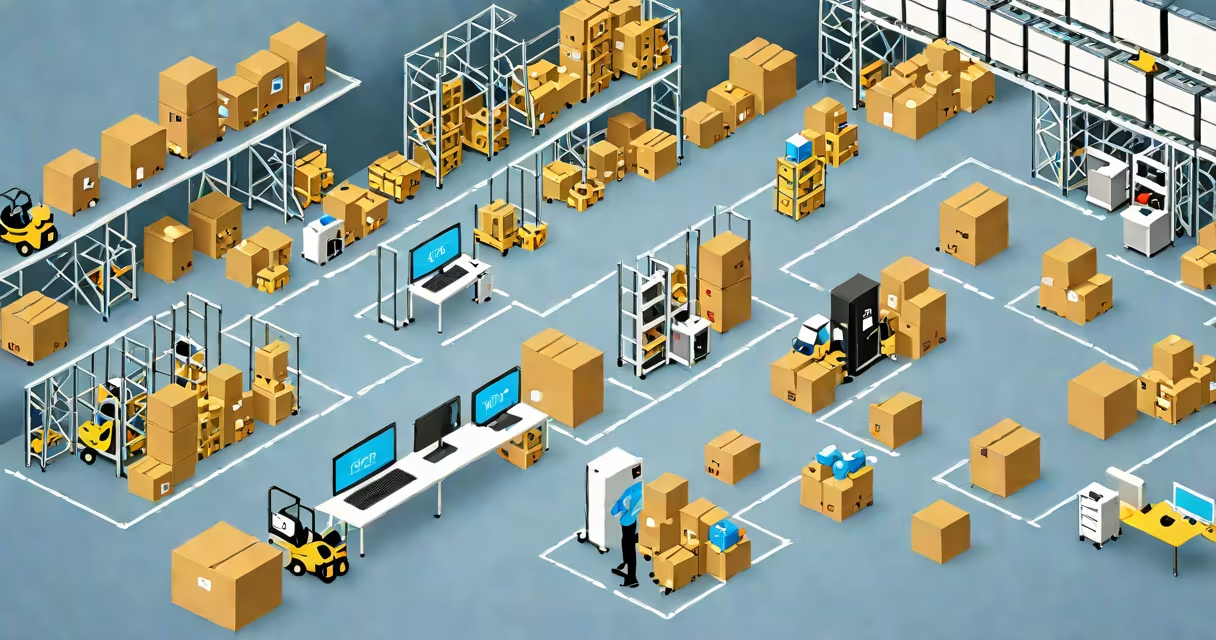
IoT device monitoring is the continuous tracking of connected devices' status, performance, and data output using software tools that collect, analyze, and report on metrics in real time. It enables organizations to detect anomalies, predict failures, and maintain operational efficiency across networks of sensors, machines, and smart systems.
At its core, IoT device monitoring captures telemetry data-such as temperature, power usage, signal strength, and error codes-from physical devices equipped with embedded processors and communication modules. This data flows into centralized platforms via Wi-Fi, cellular, Bluetooth, or LPWAN protocols. Monitoring systems process incoming streams, apply thresholds, and trigger alerts when values fall outside expected ranges.
For example, a smart thermostat in a commercial building sends hourly temperature readings and HVAC cycle counts. If the device stops reporting data for 15 minutes, the monitoring system flags it as offline. A notification goes to facility managers through email or mobile app, enabling rapid response before environmental conditions degrade.
Monitoring begins with data ingestion. Devices generate data at regular intervals-some every second, others every few hours-depending on purpose and battery constraints. Data is sent to cloud-based services or on-premise servers using secure protocols like MQTT or CoAP.
Once received, the system validates the data's integrity, checks timestamps, and stores it in databases optimized for time-series queries. Platforms such as AWS IoT Core, Google Cloud IoT, or Azure IoT Hub handle millions of device connections and scale dynamically based on load.
Next, logic engines evaluate the data against predefined rules. A rule might state: "If humidity exceeds 80% for more than 10 minutes and temperature is above 30°C, send an alert." These rules can be simple thresholds or complex machine learning models trained on historical behavior to identify subtle deviations.
IoT monitoring systems consist of four layers: edge devices, connectivity layer, data processing engine, and visualization interface.
| Type | Function | Example Use Case |
|---|---|---|
| Basic health checks | Verifies device online status, CPU load, memory usage | Remote weather station logs uptime daily |
| Performance metrics | Tracks speed, accuracy, latency of operations | Industrial robot arm reports cycle time variance |
| Environmental sensing | Monitors temperature, pressure, motion, light levels | Smart greenhouse adjusts irrigation based on soil moisture |
| Security and access | Detects unauthorized logins, firmware tampering | Smart lock triggers alert if accessed outside normal hours |
Many systems combine multiple types. For instance, a fleet of delivery drones uses GPS location, battery level, wind speed, and camera feed quality-all monitored simultaneously to ensure safe flight paths.
Industries rely on IoT device monitoring to reduce downtime, improve safety, and cut costs. In manufacturing, monitoring production line sensors prevents machine breakdowns. In healthcare, remote patient monitors track heart rate and oxygen saturation, sending alerts if important signs drop.
A water utility in California uses IoT monitoring to manage 12,000 smart meters. Each meter transmits flow data every 15 minutes. When a meter shows sudden spikes in usage, the system flags potential leaks. Over six months, this reduced water loss by 18% compared to manual inspection cycles.
Transportation systems depend heavily on real-time visibility. In one urban transit project, buses equipped with accelerometers and GPS were monitored for route deviation and passenger load. When a bus slowed unexpectedly near a stop, the system detected a mechanical issue before the driver reported it. Repairs were scheduled during off-peak hours, minimizing service disruption.
Many assume IoT monitoring is synonymous with data collection. But collecting data doesn't equal monitoring. Monitoring requires action-oriented analysis-detecting patterns, comparing to baselines, and initiating responses.
Another misconception is that monitoring only applies to high-value assets. In reality, low-cost sensors-like door switches or light detectors-benefit equally. A retail chain deployed 500 smart door sensors across stores. When a store's entrance remained open past closing time, the system alerted security. This prevented theft and energy waste, saving $12,000 annually across 50 locations.
Some believe monitoring requires expensive hardware. Modern solutions run on existing infrastructure. A small farm used Raspberry Pi units running open-source software to monitor soil pH and irrigation timing. The entire setup cost under $200 per field and integrated with free cloud dashboards.
In Barcelona, municipal streetlights were retrofitted with motion sensors and dimming controls. Each light reports power draw, brightness level, and connection status every 30 seconds.
The monitoring platform detects anomalies such as: - Lights failing to turn on at dusk - Sudden power draw increases indicating internal faults - Persistent on-state beyond curfew hours
When a cluster of lights in district E12 showed abnormal power consumption, engineers remotely isolated the circuit and dispatched a technician. The root cause was a corroded wire junction. Repair took 45 minutes. Without monitoring, the outage would have gone unnoticed for days.
Since implementation, the city has reduced lighting-related maintenance calls by 67%. Energy savings reached 29% due to adaptive dimming triggered by occupancy data.
I installed a home IoT monitoring system for my garage door, temperature, and water leak sensors. After a winter storm, the system flagged a sustained rise in humidity and a drop in temperature. I received an alert at 2:17 a.m. The water sensor had activated due to a frozen pipe burst. I shut off the main valve remotely and called a plumber before significant damage occurred. The system didn't just detect the problem-it gave me time to act.
IoT device monitoring transforms passive data into actionable intelligence. It's not just about seeing what's happening-it's about knowing when something is wrong before it becomes costly. With proper configuration, even basic devices can deliver enterprise-grade reliability.