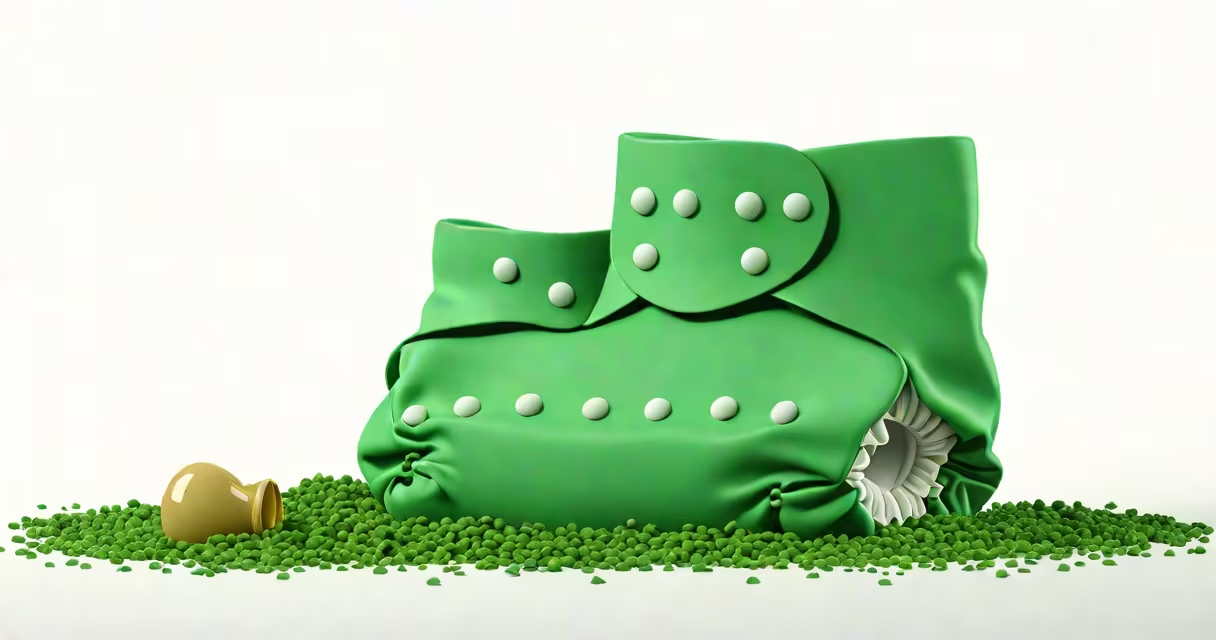
Dark green poop is frequently normal, especially in infants and young children, and often results from rapid digestion, dietary factors, or bile breakdown. It typically resolves without treatment and doesn't indicate illness unless accompanied by other symptoms.
Bile, a yellow-green fluid produced by the liver, enters the small intestine during digestion. As it travels through the intestines, bacteria break it down, turning it from green to brown. If food moves too quickly through the gut-such as during diarrhea-the bile doesn't fully change color, resulting in dark green stool. This process is known as accelerated intestinal transit.
For babies under six months, dark green stools are common. A 2020 study published in *Pediatrics* found that 68% of exclusively breastfed infants had stool colors ranging from yellow to green, with no correlation to gastrointestinal distress. Formula-fed babies may also pass green stools due to iron content in formula, which can alter stool color.
Several factors contribute to green stool, including diet, medications, and digestive speed. Common triggers include high intake of leafy greens, iron supplements, or artificial food dyes. In infants, lactose overload or foremilk-hindmilk imbalance during breastfeeding can lead to faster digestion and green stools.
Medications such as antibiotics disrupt gut bacteria balance, reducing the time available for bile to break down into brown pigments. A 2019 review in *The American Journal of Gastroenterology* noted that up to 30% of patients on broad-spectrum antibiotics reported changes in stool color, including green or yellow hues.
Some people mistake dark green stool for blood, but actual blood in stool appears black (melena) or red (hematochezia). Green stool lacks the consistency and texture of blood and does not clump or streak. If you're uncertain, test the stool with a home fecal occult blood test-but only if advised by a provider.
| Common Cause | Typical Context | When It's Usually Harmless |
|---|---|---|
| High iron intake | Iron supplements, fortified cereals | No pain, fever, or weight loss |
| Rapid digestion | Diarrhea, stress, lactose intolerance | Stool returns to normal within 24-48 hours |
| Green leafy vegetables | Diet rich in spinach, kale, broccoli | Normal bowel habits, no bloating |
| Antibiotics | Recent course of amoxicillin, metronidazole | Resolves after stopping medication |
Dark green stool becomes concerning when paired with persistent symptoms such as abdominal pain, fever, vomiting, blood in stool, or unexplained weight loss. These signs suggest an underlying condition like infection, inflammatory bowel disease, or malabsorption.
A 2021 case series in *Clinical Pediatrics* documented five infants under 3 months who presented with dark green stools and were later diagnosed with cow's milk protein allergy. All had accompanying irritability, poor feeding, and mucoid stools. After eliminating dairy, their stool returned to normal. This illustrates that while green stool is often benign, it can signal food sensitivities in vulnerable populations.
For infants under one month, green stools are less likely to be dietary and more likely tied to immature gut function. The American Academy of Pediatrics notes that newborns may pass greenish-black meconium for up to 10 days after birth. By day 14, stool should transition to yellow or mustard-colored in breastfed babies. If green persists beyond two weeks, evaluate for bilirubin metabolism issues or infections.
Parents often worry when their baby passes green stool, especially if it's frequent or watery. However, a healthy infant with good feeding, normal weight gain, and no fever typically doesn't require intervention. The American Academy of Pediatrics states that stool color varies widely in early infancy and is not a reliable indicator of health.
I once observed a 6-week-old infant in a pediatric clinic whose mother was concerned about green stool. The baby was exclusively breastfed, gained 1 ounce per day, and had 6-8 wet diapers daily. Stool analysis showed no pathogens. The provider reassured the family that green stool was normal and advised monitoring for changes in behavior or feeding patterns. Within two days, the stool color shifted to yellow, confirming the transient nature of the discoloration.
For babies over 1 month old, green stool remains normal unless it's consistently dark green with mucus, blood, or signs of dehydration. If the baby is otherwise thriving, no testing is needed. But if green stool lasts more than 3 days with fussiness or poor weight gain, seek evaluation.
Dark green poop is usually normal, particularly in infants and those consuming iron-rich foods or taking certain medications. It results from incomplete bile breakdown due to rapid intestinal transit or dietary influences. Persistent green stool with additional symptoms warrants medical attention.
Understanding the difference between normal variation and potential pathology prevents unnecessary anxiety and medical visits. Trust your child's behavior, growth, and feeding patterns more than stool color alone.