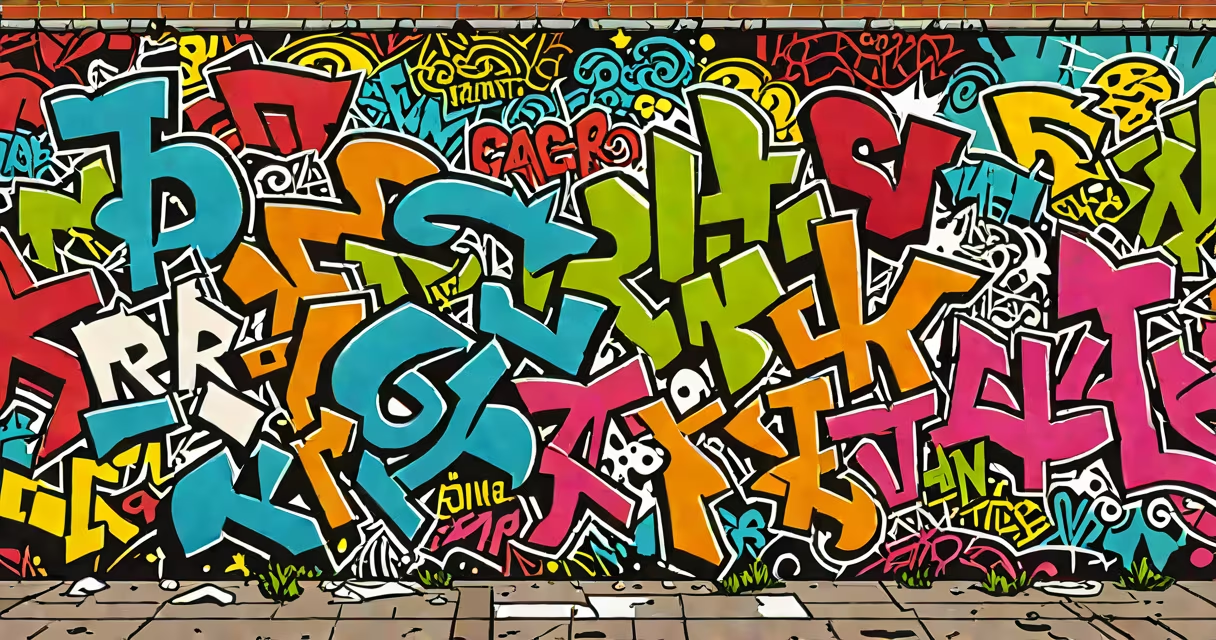
Graffiti is both a form of visual expression and a criminal act depending on context, permission, and intent. It ranges from unauthorized tagging that damages property to commissioned murals that improve public spaces. The distinction lies not in the medium itself but in authorization, location, and cultural value.
When created without consent on private or public property, graffiti violates laws against defacement and is classified as vandalism under state statutes such as California Penal Code § 594. However, when executed with approval on designated walls or as part of city-sanctioned programs, it qualifies as public art. The dual nature stems from intent, ownership, and community reception.
The debate centers on whether creative expression in shared urban environments should be regulated or protected. In cities like Berlin, Paris, and New York, designated zones allow artists to paint legally. These areas function as cultural hubs, drawing tourism and supporting local economies. Conversely, unsanctioned work leads to cleanup costs averaging $200-$500 per incident, according to the National Institute of Justice.
Unauthorized graffiti violates property rights. In the U.S., most states treat it as a misdemeanor unless it involves large-scale damage or hate symbols. Penalties include fines, community service, or jail time. For example, in 2022, a New York City artist was fined $1,200 for tagging a subway car without permission, despite claiming it was "social commentary."
Authorized graffiti operates through permits. Cities like Los Angeles maintain official mural programs where artists submit proposals. The city reviews themes for appropriateness, safety, and alignment with neighborhood goals. Approved projects receive funding and materials. In 2023, LA's Mural Program funded 47 new artworks across 12 districts, including pieces addressing climate justice and immigrant rights.
Even within sanctioned spaces, controversy arises. A 2021 mural in Philadelphia depicting a Black child holding a sign that read "I am not a threat" sparked backlash from residents who claimed it encouraged unrest. The city defended it as a response to rising racial tensions. This illustrates that legal status doesn't guarantee social acceptance.
Traditional graffiti uses aerosol spray paint, often applied quickly and in layered styles. Tags-short, stylized signatures-are common in illicit work. Artists may use stencils, brushes, or even digital tools for precision. Legal murals frequently incorporate acrylics, latex paints, and protective sealants to withstand weather.
Some artists blend techniques. Banksy, the anonymous UK-based street artist, uses stencils to create politically charged images. His 2018 piece "Girl with Balloon" sold for £10.4 million at auction after being slashed during display-proving that context shapes perception. The same image, if sprayed on a wall without permission, would be treated as vandalism.
A non-obvious distinction: the permanence of the work affects classification. Temporary graffiti-like chalk drawings on sidewalks-rarely faces prosecution because it's easily removed. Permanent installations, however, require permits. The city of Chicago requires a 60-day notice before painting any surface larger than 10 square feet.
Graffiti appears in high-traffic urban zones, abandoned buildings, transit systems, and alleyways. Its presence signals identity, resistance, or visibility. In marginalized communities, it often reflects lived experiences. A 2020 study by the Urban Institute found that 68% of youth involved in graffiti cited lack of access to formal art education as a factor.
Cities use graffiti to promote culture. Mexico City's Centro Histórico hosts annual festivals where artists paint entire blocks. These events attract thousands and generate revenue. In contrast, Toronto reported a 37% increase in vandalism charges related to graffiti between 2019 and 2021, tied to gang activity and territorial marking.
Real-world example: In 2022, a group of teens in Portland painted a 12-foot portrait of a local activist on a fire station wall. The city initially ordered removal. After community petitioning, they approved retention. The artwork now serves as a memorial and educational site. This case shows how public opinion can override legal enforcement.
Many assume all graffiti is illegal or destructive. But research from the University of Pennsylvania shows that 40% of graffiti in major U.S. cities is created with intent to beautify. Some communities report reduced crime rates after installing legal murals, suggesting positive social impact.
Another myth: graffiti is solely associated with gangs. While certain tags indicate territorial claims, most street art focuses on political messages, personal stories, or aesthetic innovation. The FBI's 2023 report on organized crime noted that gang-related graffiti accounts for less than 15% of incidents nationwide.
Correction: Not all street art is graffiti. Street art includes installations, wheatpaste posters, and sculptures placed in public view. Graffiti specifically refers to painted or sprayed markings. A sticker on a bus stop is street art, not graffiti. Confusing the two leads to misclassification in policy and enforcement.
| Type | Permission Required? | Legal Status | Example |
|---|---|---|---|
| Unapproved tagging | Yes | Vandalism (misdemeanor) | Tagging a train car in NYC |
| City-approved mural | No | Public art | LA's 2023 Pride-themed mural on Wilshire Blvd |
| Temporary sidewalk chalk | No | Generally permitted | Chalk art at a music festival |
| Gang-related symbols | No | May trigger law enforcement response | Red spray marks on a bridge in Detroit |
I once watched a mural being painted in a low-income neighborhood in Detroit. The artist, a 21-year-old named Malik, had spent six hours covering a boarded-up storefront with vibrant scenes of Black history and future dreams. Neighbors gathered, some cheered, others complained about "messy" paint. The city later issued a warning for "unauthorized signage." But after a community vote, they approved the mural as a permanent feature. What began as potential vandalism became a symbol of resilience.