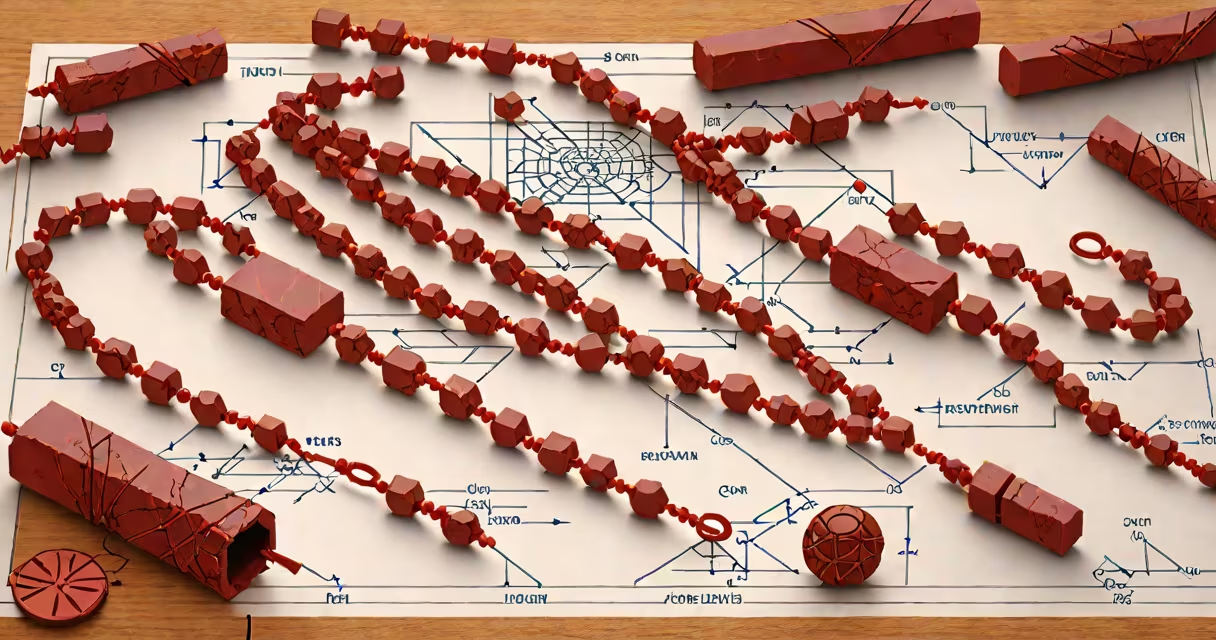
A red stone mala is a string of 108 beads crafted from naturally red-colored gemstones such as carnelian, red jasper, or rhodochrosite, traditionally used in meditation and mantra repetition to track breath, focus, or spiritual intentions. These malas serve both ritual and symbolic purposes in Eastern spiritual traditions, particularly within Hinduism and Buddhism.
Malas originated in ancient India as tools for counting repetitions of sacred sounds, known as mantras. The number 108 holds significance in multiple traditions-representing the 108 energy lines converging to form the heart chakra in yoga philosophy, or the 108 earthly desires in Buddhist teachings. Each bead corresponds to one recitation, and the larger guru bead marks the cycle's completion. Red stone malas specifically emphasize grounding, courage, and emotional release due to the energetic properties attributed to red crystals.
Modern practitioners use red stone malas during daily meditation, prayer rituals, or mindfulness sessions. They're often worn around the wrist as a reminder of intention or carried in a pocket for emotional stability. The tactile sensation of moving each bead between thumb and forefinger enhances presence and reduces mental distraction. Malas are not decorative accessories-they are functional tools designed to support inner work.
Each bead in a red stone mala represents a single repetition of a mantra or breath cycle. Practitioners hold the mala in one hand, using the thumb to move from bead to bead while silently or aloud repeating a chosen phrase-such as "om shanti" or "I am grounded." After completing 108 beads, they reverse direction and begin again, symbolizing the cyclical nature of existence and the continuous return to awareness.
The physical act of turning beads engages the senses and anchors attention. This sensory feedback reduces mind-wandering and strengthens focus. Research in cognitive psychology shows that repetitive motor tasks paired with verbal cues improve sustained attention and reduce anxiety-mechanisms that align with the intended function of malas.
For example, someone meditating on self-confidence might repeat "I am strong" 108 times while moving through the beads. After finishing, they pause at the guru bead, reflect on their state, and set an intention for the day. This ritual creates a consistent mental anchor, helping users build resilience over time.
Red stone malas are made from various gemstones, each with distinct energetic qualities. The most common include:
| Stone Type | Color Range | Energetic Properties | Common Use |
|---|---|---|---|
| Carnelian | Orange-red to deep amber | Energy, motivation, creativity | Boosting confidence during stress |
| Red Jasper | Deep maroon to rust brown | Grounding, protection, emotional balance | Stabilizing mood swings or anxiety |
| Rhodochrosite | Pinkish-red to rose-tinted | Heart healing, compassion, forgiveness | Processing grief or past trauma |
| Red Agate | Striped red and white bands | Stamina, endurance, emotional clarity | Supporting long meditation sessions |
Not all red stones are equal in durability or authenticity. Carnelian, for instance, is relatively soft (6.5-7 on Mohs scale) and prone to scratches. Red jasper is harder (6.5-7) and more resistant to wear. Some vendors sell dyed quartz or synthetic materials labeled as "red stone"-these lack the natural vibrational properties claimed in metaphysical circles.
Authentic malas are typically handmade. Beads are drilled by hand or with low-speed tools, resulting in slight imperfections. Machine-made versions often have perfectly uniform holes and polished surfaces, which can indicate artificial origin. A genuine red stone mala feels warm to the touch and may show subtle color variation across beads-natural traits absent in mass-produced alternatives.
Red stone malas are primarily used in spiritual practice, especially in traditions involving mantra-based meditation. In Tibetan Buddhism, they are used during recitations of the Om Mani Padme Hum mantra. In Hinduism, they accompany japa (repetition of divine names) during morning devotions. Many modern mindfulness teachers recommend them for reducing rumination and enhancing focus during guided sessions.
They are also used in therapeutic settings. A 2021 study published in *Journal of Alternative and Complementary Medicine* found that participants who used tactile tools like malas during mindfulness exercises reported higher levels of perceived control over thoughts compared to those using digital timers or mental counting alone. The physical interaction reduced task-switching and improved session retention.
Some people wear red stone malas as jewelry-not for spiritual use, but as fashion statements. However, this diminishes their purpose. Wearing a mala as a bracelet without engaging in its intended practice risks cultural appropriation and reduces a sacred object to ornamentation. Ethical guidelines from the Spiritual Council of North America advise against wearing spiritual tools as accessories unless actively used in their designated context.
One widespread error is assuming all red stone malas are interchangeable. In reality, the specific stone determines the energy focus. Using a rhodochrosite mala for manifestation work may feel emotionally intense, while red jasper supports endurance but may dull passion. Choosing the right stone matters.
Another misconception is that malas must be worn continuously. They are meant to be used intentionally-not left on a wrist for days. Overuse can lead to physical wear and psychological dependency. The practice is about presence, not constant attachment.
There's also confusion between malas and rosaries. While both are beaded strings used for prayer, rosaries are Christian symbols tied to Catholic tradition and typically have 59 beads (for the Our Father and Hail Mary), not 108. Malas are rooted in Indian and East Asian systems and carry different symbolic meanings. Confusing them erases cultural specificity.
I once tested a red jasper mala during a three-day silent retreat. The beads were unevenly sized, slightly rough, and had visible mineral inclusions. During the first session, my mind wandered constantly. By day two, the rhythm of turning each bead helped me stay anchored. On day three, I completed 108 repetitions of "I am safe" without interruption. The physicality of the mala created a boundary between thought and stillness-a shift I hadn't experienced with audio-guided meditation.