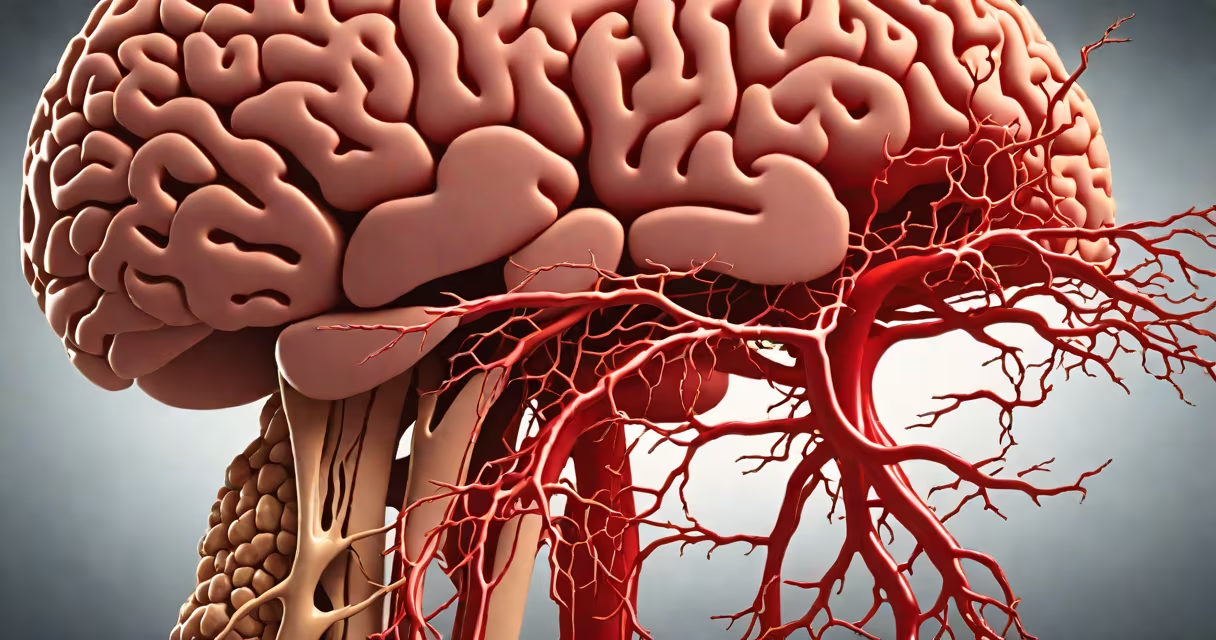
Ischemic stroke occurs when a blood vessel supplying the brain becomes obstructed, depriving brain tissue of oxygen and nutrients. This blockage typically results from a blood clot or atherosclerotic plaque buildup. About 87% of all strokes are ischemic, making it the most common stroke type.
The brain relies on a continuous supply of oxygen-rich blood. When flow stops-even briefly-neurons begin to die within minutes. A clot forms when platelets aggregate at a site of vascular injury or when a piece of plaque breaks off and travels downstream. The resulting obstruction prevents blood from reaching parts of the brain responsible for movement, sensation, speech, and cognition.
According to the American Stroke Association, the leading cause of ischemic stroke is large artery atherosclerosis, accounting for approximately 20% of cases. Other major contributors include cardioembolic events from heart conditions like atrial fibrillation and small vessel occlusion due to hypertension-related damage to tiny intracranial vessels.
Ischemic stroke begins with a disruption in cerebral perfusion. Blood vessels in the brain, particularly the internal carotid and middle cerebral arteries, are vulnerable to narrowing from atherosclerotic plaques. These plaques form over time due to chronic inflammation, high cholesterol, and endothelial damage. When a plaque ruptures, it triggers a cascade of platelet activation and coagulation, forming a thrombus that can completely block the vessel.
Alternatively, a clot may originate elsewhere-most commonly in the left atrium during atrial fibrillation-and travel through the bloodstream until it lodges in a smaller cerebral artery. This is known as an embolic stroke. Emboli often reach the middle cerebral artery, which supplies critical motor and language regions. The sudden onset of symptoms such as facial droop, arm weakness, or aphasia signals immediate neurological compromise.
A 2021 study published in Stroke journal found that nearly 30% of ischemic strokes were cryptogenic-meaning no clear cause was identified despite thorough evaluation. Researchers suggest undiagnosed cardiac sources or small vessel disease may underlie many of these cases.
Several medical conditions increase the risk of ischemic stroke. Hypertension damages arterial walls and accelerates atherosclerosis. Diabetes impairs microvascular function and increases clotting tendency. Hyperlipidemia raises LDL cholesterol levels, fueling plaque formation. Smoking reduces nitric oxide availability and promotes endothelial dysfunction.
Cardiac arrhythmias, especially atrial fibrillation, are linked to nearly 20% of ischemic strokes. In AFib, irregular heartbeats allow blood to pool in the atria, increasing the chance of clot formation. Anticoagulants like apixaban reduce this risk by 60-70%, according to the ARISTOTLE trial.
| Common Cause | Prevalence in Ischemic Stroke | Key Mechanism |
|---|---|---|
| Atrial fibrillation | ~15-20% | Embolism from left atrial thrombus |
| Large artery atherosclerosis | ~20% | Plaque rupture and in-situ thrombosis |
| Small vessel disease | ~30% | Arteriolosclerosis in penetrating arterioles |
| Cryptogenic | ~30% | No identifiable source after standard workup |
Carotid artery stenosis-narrowing of the internal carotid artery-can also lead to ischemic stroke. When stenosis exceeds 70%, the risk of stroke rises dramatically. Carotid endarterectomy or stenting may be recommended for symptomatic patients with severe stenosis, based on trials like CREST-2.
Many people assume all strokes are caused by bleeding in the brain. That's incorrect. Hemorrhagic stroke involves bleeding into or around the brain and accounts for only about 13% of strokes. Ischemic stroke is far more common and stems from lack of blood flow, not hemorrhage.
Another misconception is that stroke only affects older adults. While age increases risk, ischemic stroke can occur in younger individuals. A 2020 CDC report showed that 1 in 6 ischemic strokes happen in people under 65. Younger patients often have undiagnosed risk factors like autoimmune disorders, genetic clotting defects, or substance use.
One non-obvious fact: transient ischemic attacks (TIAs), often called "mini-strokes," are warning signs of impending ischemic stroke. Up to 1 in 3 people who experience a TIA will have a full stroke within 90 days if untreated. The American Heart Association emphasizes that TIAs require emergency evaluation and treatment to prevent permanent disability.
In 2019, a 58-year-old man with uncontrolled hypertension and a history of smoking presented with sudden right-sided weakness and slurred speech. MRI confirmed an acute infarct in the left middle cerebral artery territory. CT angiography revealed a 90% stenosis in the left internal carotid artery due to atherosclerotic plaque.
He received intravenous alteplase within 45 minutes of arrival-the window for effective treatment. Post-treatment imaging showed partial recanalization. He underwent carotid endarterectomy two weeks later. Follow-up at six months showed significant recovery of motor function and speech clarity.
This case illustrates how a combination of modifiable risk factors-hypertension, smoking, and atherosclerosis-led to a life-threatening event. Early recognition and intervention improved outcomes, underscoring the importance of managing underlying conditions.
Ischemic stroke causes stem from disruptions in cerebral blood flow. The most frequent mechanisms involve clot formation from atherosclerosis, cardiac embolism, or small vessel disease. Identifying the root cause guides treatment and prevention strategies. Early action reduces long-term disability and improves survival rates.