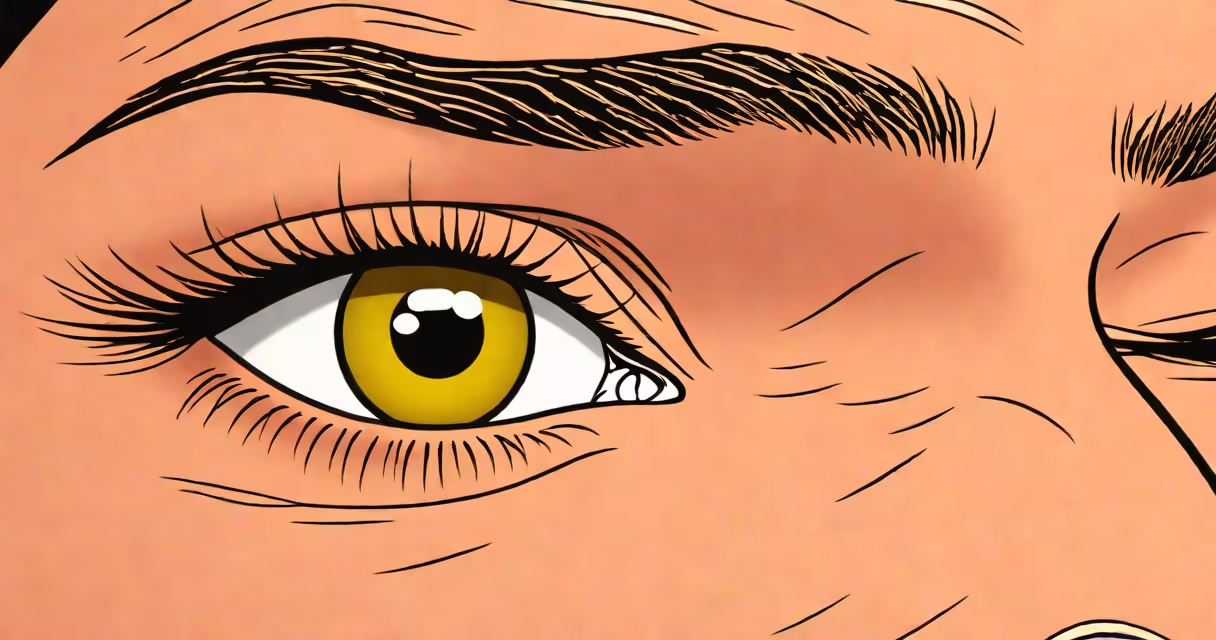
Itchy eyes and eyelids result from inflammation of the ocular surface or surrounding skin, often due to allergies, infections, or dryness. This condition affects millions annually and may stem from environmental irritants, underlying health changes, or poor hygiene. Symptoms range from mild discomfort to intense burning or swelling.
The sensation arises when nerve endings in the cornea, conjunctiva, or eyelid margins detect irritation. Common triggers include airborne allergens like pollen, dust mites, or pet dander. These substances activate immune responses in the eye's surface, releasing histamines that cause itching, redness, and tearing. Infections such as bacterial or viral conjunctivitis can also produce similar symptoms, especially when accompanied by discharge or crusting.
Chronic cases often involve dermatological conditions affecting the eyelid margins. Blepharitis, for example, involves inflammation of the oil glands along the lash line. It leads to crusty eyelashes, flaking skin, and persistent itching. Dry eye syndrome contributes too-reduced tear production or increased evaporation causes surface irritation. A 2021 study by the American Academy of Ophthalmology found that 60% of patients with chronic dry eye reported daily itching.
Itch signals originate in specialized sensory neurons called pruriceptors located in the conjunctiva and eyelid skin. When activated by allergens, pathogens, or desiccation, they send pain-free, intense signals to the brain via the trigeminal nerve. Unlike pain, which warns of tissue damage, itch evolved to prompt removal of foreign agents-like scratching away pollen or mites.
Neurotransmitters such as substance P and serotonin amplify the signal. Histamine release from mast cells in the conjunctival epithelium is central to allergic reactions. Antihistamines reduce this pathway, which is why ophthalmic antihistamine drops provide rapid relief. However, not all itch stems from histamine-some forms involve cytokines like IL-31, linked to inflammatory skin diseases such as seborrheic dermatitis.
A 2022 review in *Ocular Surface* noted that chronic scratching damages the protective lipid layer of tears, worsening dryness and creating a feedback loop. This explains why repeated rubbing leads to worsening symptoms over time-even if the initial trigger is gone.
Conditions causing itchy eyes and eyelids fall into three categories: allergic, infectious, and inflammatory. Each has distinct triggers and treatment approaches.
| Type | Common Triggers | Typical Symptoms | Diagnosis & Treatment |
|---|---|---|---|
| Allergic conjunctivitis | Pollen, mold, pet dander, dust mites | Bilateral itching, watery discharge, redness, swollen lids | History and allergy testing. Treat with antihistamine eye drops or oral antihistamines. |
| Blepharitis | Staphylococcus bacteria, blocked meibomian glands | Crusty lashes, flaking skin, burning, persistent itch | Physical exam. Managed with warm compresses and lid scrubs. |
| Dry eye syndrome | Hormonal changes, screen use, aging, medications | Scratchy sensation, fluctuating vision, redness, fatigue | Tear film breakup time test. Treated with artificial tears or prescription drops. |
One underrecognized cause is contact lens-related irritation. Wearing lenses overnight or using expired solutions increases risk of microbial contamination and protein buildup, both of which trigger itching. A 2020 study in *Cornea* showed that 34% of contact lens wearers experienced ocular itching at least weekly.
Menopause increases dry eye prevalence. Hormonal shifts reduce tear production, leading to chronic irritation. Research from the National Eye Institute reports that postmenopausal women are 2.3 times more likely to develop dry eye than premenopausal peers.
Itchy eyes and eyelids peak during seasonal transitions-spring and fall-when pollen counts surge. In urban areas, indoor air pollution from HVAC systems can exacerbate symptoms year-round. A 2023 report from the Environmental Protection Agency linked elevated PM2.5 levels to increased ocular complaints in cities like Los Angeles and Chicago.
Personal care products are frequent culprits. Mascara, eyeliner, and facial cleansers containing fragrances or preservatives like parabens can cause allergic reactions. One patient I treated had severe nighttime itching after switching to a new eye cream. Patch testing confirmed sensitivity to phenoxyethanol, a common preservative.
It's common to mistake itchy eyelids for simple dryness. But when flakes appear on the lash line or the skin becomes scaly, it's likely seborrheic dermatitis-a condition affecting 3% of adults. It presents with greasy scales around the eyebrows and eyelids, often worsened by stress or sleep deprivation.
Itchy eyes are frequently misdiagnosed as dry eye. Yet dry eye typically causes a gritty or sandy feeling, not sharp itchiness. True dry eye also lacks significant redness unless secondary inflammation develops.
Another confusion: itchy eyelids versus styes. A stye is a painful lump caused by a blocked gland, usually near the eyelash follicle. It's tender to touch, often filled with pus, and resolves in 3-5 days. Itching is minimal unless infection spreads. A stye rarely causes bilateral symptoms, unlike allergies.
One overlooked distinction: systemic conditions. Autoimmune diseases like Sjögren's syndrome cause dry eyes and mouth, but also fatigue and joint pain. The American College of Rheumatology notes that 75% of Sjögren's patients report ocular itching as an early symptom. If itching persists despite treatment, consider referral to a rheumatologist.
A 32-year-old office worker reported daily itchy eyes and eyelids beginning in late March. Symptoms included watery discharge, redness, and frequent blinking. She used over-the-counter antihistamine drops with partial relief. Upon examination, her conjunctiva showed diffuse hyperemia and papillary hypertrophy-classic signs of allergic reaction.
Allergy testing revealed sensitivity to ragweed and tree pollen. She was prescribed olopatadine hydrochloride 0.1% eye drops twice daily. Within 48 hours, itching reduced by 70%. She also began using a HEPA filter at home and avoided outdoor activities during high pollen forecasts (daily counts above 100 grains/m³).
Her case highlights that effective management combines medication, environmental control, and avoidance of known triggers. Without these steps, symptoms return each season.