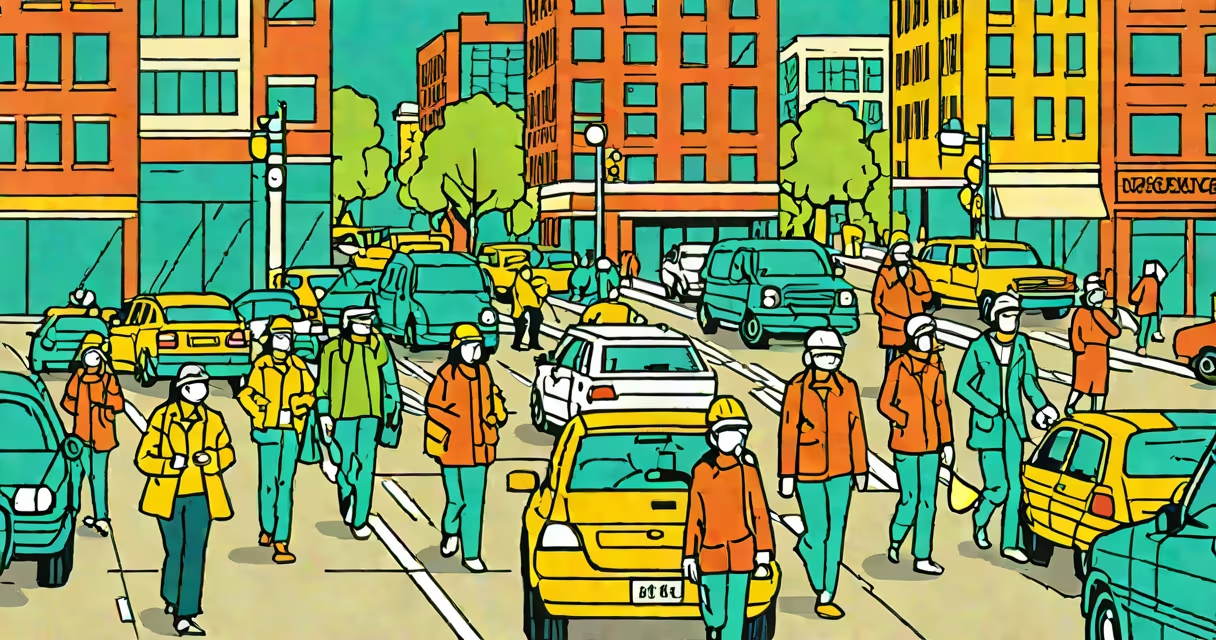
Noise pollution health problems refer to adverse physical and mental health effects caused by prolonged exposure to excessive sound levels in environments such as cities, workplaces, or near transportation corridors. These effects include hearing impairment, disrupted sleep, elevated blood pressure, and increased risk of cardiovascular disease.
Sound is measured in decibels (dB). Levels above 85 dB sustained over time can cause permanent hearing damage. The World Health Organization (WHO) states that long-term exposure to noise above 55 dB during the day and 40 dB at night disrupts health and quality of life. Urban areas often exceed these thresholds due to traffic, construction, and industrial activity.
Chronic noise exposure triggers the body's stress response. Cortisol and adrenaline rise, leading to vasoconstriction and higher blood pressure. Over time, this contributes to hypertension and increases the risk of stroke and heart attack. A 2021 study published in *The Lancet* found that people living near airports had a 25% higher incidence of ischemic heart disease compared to those in quieter zones.
The human auditory system aims to process sound within safe limits. When exposed to loud or continuous noise, hair cells in the inner ear degrade irreversibly. Once damaged, they do not regenerate. This leads to sensorineural hearing loss, which typically begins in the high-frequency range and progresses silently until speech becomes difficult to understand.
Even moderate noise levels-such as constant traffic at 65-70 dB-can interfere with sleep architecture. The brain remains partially alert during noise events, disrupting deep sleep cycles. A 2018 study in *Environmental Health Perspectives* showed that individuals exposed to nighttime traffic noise had 30% less slow-wave sleep, linked to reduced memory consolidation and weakened immune function.
Stress hormones released during noise exposure also affect metabolic processes. Elevated cortisol correlates with insulin resistance, weight gain, and increased abdominal fat. Research from the University of Michigan found that office workers in noisy environments reported higher anxiety scores and lower job satisfaction than peers in quiet offices.
Not all noise is equally harmful. The source, duration, frequency, and timing determine health outcomes. Common types include:
| Type | Typical Source | Health Impact | Decibel Level |
|---|---|---|---|
| Transportation | Airplanes, highways, trains | Chronic stress, hearing loss, sleep disruption | 70-100 dB |
| Industrial | Machinery, factories | Occupational hearing loss, tinnitus | 85-130 dB |
| Recreational | Concerts, headphones, power tools | Temporary threshold shift, permanent hearing damage | 85-120 dB |
| Domestic | Power mowers, vacuum cleaners | Short-term hearing fatigue, annoyance | 70-90 dB |
Transportation noise is the most widespread contributor to public health burden. A 2022 WHO report estimated that 1 million healthy life years are lost annually in Europe due to noise pollution, primarily from road traffic.
Many assume noise pollution is merely an annoyance. In reality, it qualifies as a recognized environmental health hazard. The WHO classifies it as a risk factor for cardiovascular disease, alongside air pollution and smoking.
Another misconception is that ear protection eliminates all risk. While earplugs reduce sound by 15-30 dB, they don't eliminate the physiological stress response. A 2020 study in *Occupational & Environmental Medicine* found that factory workers using ear protection still had elevated cortisol levels during shifts, indicating ongoing stress despite reduced sound exposure.
Some believe only very loud sounds cause harm. However, low-frequency noise-like that from HVAC systems or distant thunder-can trigger vestibular symptoms and cognitive fatigue even at 50 dB. These are often overlooked because they don't cause immediate hearing damage.
In 2021, a resident in downtown Los Angeles reported persistent headaches, irritability, and difficulty concentrating. She lived on the third floor of a building facing a major highway. Noise levels averaged 78 dB during the day and 62 dB at night, according to a personal sound meter she used.
After consulting an audiologist, she was diagnosed with early-stage tinnitus and mild hearing loss in the left ear. Her doctor linked her symptoms to chronic noise exposure. She installed double-glazed windows and used white noise machines. Within six weeks, her sleep improved, and headache frequency dropped by 60%.
This case illustrates that noise pollution health problems are cumulative and reversible with intervention. Early detection prevents further deterioration.
Prevention focuses on urban planning, quieter road surfaces, vehicle noise regulations, and workplace safety standards. Individuals can reduce exposure by choosing quieter routes, using noise-canceling headphones, and advocating for zoning laws that separate residential areas from high-traffic zones.
Noise pollution health problems are preventable. With targeted policy and personal awareness, communities can reduce their burden on physical and mental well-being.