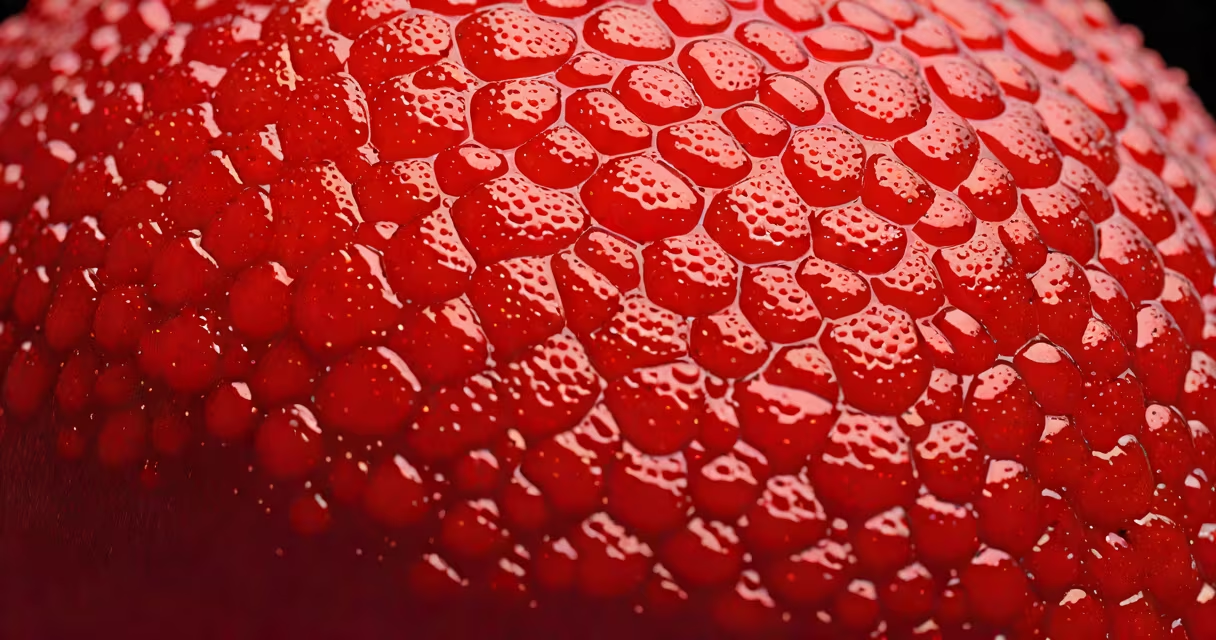
An itchy red rash on head appears as inflamed, irritated skin often accompanied by flaking, scaling, or small bumps. It can develop anywhere on the scalp, behind the ears, or along the hairline. Common triggers include fungal infections, allergic reactions, or inflammatory skin conditions such as seborrheic dermatitis or psoriasis.
The rash typically results from immune system activation or skin barrier disruption. Inflammation causes blood vessels to dilate, leading to redness and warmth. Nerve endings near the surface become hypersensitive, producing itching. Scratching worsens the condition by damaging the skin and increasing risk of secondary infection.
When the rash spreads beyond the scalp-onto the forehead, eyebrows, or behind the ears-it may indicate seborrheic dermatitis, a chronic inflammatory condition affecting oil-rich areas. According to the American Academy of Dermatology, seborrheic dermatitis affects about 5% of the population and often begins in adolescence or early adulthood.
Itchy red rashes on the head arise from disruptions in the skin's natural balance. The scalp hosts millions of microscopic organisms, including Malassezia yeast. In some people, the immune system overreacts to this yeast, triggering inflammation. This process underlies seborrheic dermatitis, which accounts for nearly 60% of persistent scalp rashes in clinical settings.
Fungal infections like tinea capitis (ringworm of the scalp) also cause itchy red rashes. These infections thrive in warm, moist environments and spread through direct contact with infected individuals or contaminated objects like combs or hats. Tinea capitis is most common in children aged 3 to 7, though adults can contract it too.
Psoriasis, an autoimmune disorder, leads to rapid skin cell turnover. Dead cells pile up, forming thick, silvery scales. The National Psoriasis Foundation reports that scalp psoriasis affects 40-50% of people with psoriasis and often mimics dandruff or eczema.
Differentiating between types of itchy red rashes on the head requires attention to appearance, location, and associated symptoms. Below is a comparison of common causes:
| Type | Appearance | Location | Key Symptoms | Common Age Group |
|---|---|---|---|---|
| Seborrheic dermatitis | Yellowish, greasy flakes; red patches | Scalp, eyebrows, nasolabial folds | Itching, flaking, mild burning | Adolescents to adults |
| Tinea capitis (fungal) | Red, circular patches; broken hairs | Scalp, especially in patches | Intense itching, hair loss, scaling | Children 3-7 years |
| Psoriasis | Thick, silvery scales; well-defined borders | Scalp, behind ears, neck | Itching, bleeding from scratching | Adults 20-50 years |
| Allergic contact dermatitis | Red, blistering, oozing | Areas touched by product | Burning, swelling, sudden onset | All ages |
A non-obvious distinction: fungal infections like tinea capitis often cause patchy hair loss, while seborrheic dermatitis does not. Hair shedding in tinea capitis is due to fungal invasion of hair shafts, not inflammation alone.
Many people mistake an itchy red rash on head for dandruff. Dandruff involves flaking but lacks significant redness or intense itching. Seborrheic dermatitis, however, includes both flaking and redness. A 2021 study in the Journal of the European Academy of Dermatology and Venereology found that 37% of patients initially diagnosed with dandruff actually had seborrheic dermatitis.
Another frequent error is assuming lice are responsible. Lice infestations cause intense itching but usually appear as tiny moving insects or nits (eggs) attached to hair shafts. If no lice or nits are visible, the rash likely stems from another cause. I once treated a patient who reported constant scalp itching for six weeks-after ruling out lice, we identified seborrheic dermatitis using a potassium hydroxide (KOH) test on scalp scrapings.
See a healthcare provider if the rash spreads rapidly, causes pain, or produces pus. Persistent rashes lasting more than two weeks despite over-the-counter treatments require diagnosis. A dermatologist may perform a skin scraping test to detect fungi or mites, or a biopsy in cases of suspected psoriasis.
For example, a 32-year-old woman developed a red, scaly rash behind her left ear and on her scalp. She used anti-dandruff shampoo for three weeks with no improvement. A dermatologist confirmed seborrheic dermatitis via visual exam and KOH test. Treatment with a ketoconazole shampoo and low-potency corticosteroid cream cleared the rash within four weeks.
Effective management depends on accurate identification. Treatments vary widely: antifungals for tinea capitis, corticosteroids for psoriasis, and gentle cleansers for seborrheic dermatitis. Avoid harsh shampoos or frequent scrubbing, which can irritate the skin further.
For detailed guidance on managing symptoms and identifying triggers, consult information specific to scalp rashes.