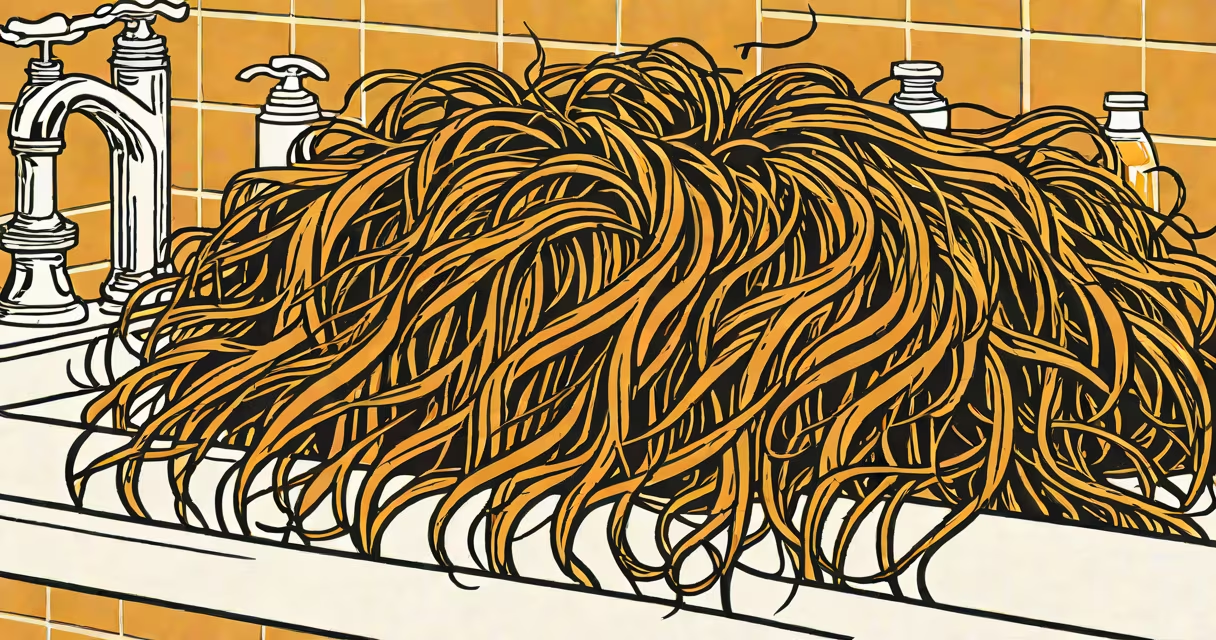
Lots of hair falling out describes excessive shedding-typically 100 or more strands daily-often triggered by physical or emotional stress, hormonal shifts, or nutrient deficiencies. This pattern differs from gradual thinning and usually resolves within six months if the underlying cause is addressed.
Normal hair shedding ranges between 50 and 100 strands per day. When shedding exceeds this threshold consistently, it signals a disruption in the hair growth cycle. The most common form is telogen effluvium, where stress pushes large numbers of follicles into the resting phase prematurely. These hairs then fall out during shampooing, brushing, or even when wiping the face.
A 2021 study published in the Journal of Clinical and Aesthetic Dermatology found that 60% of patients reporting sudden hair loss had experienced a significant life event-such as surgery, childbirth, or acute illness-within the prior three months. This timing confirms the link between systemic stress and hair cycle disruption.
Hair grows in cycles: anagen (growth), catagen (transition), and telogen (resting). Normally, 85% of scalp hairs are in the anagen phase. When stress or illness occurs, a surge of cortisol and inflammatory markers disrupts this balance. Follicles enter telogen early, leading to synchronized shedding weeks later.
This delayed response explains why people often notice hair loss two to four months after a triggering event. For example, someone who undergoes major surgery in March may begin losing hair heavily in May or June. The shedding typically peaks around three months post-event and gradually declines.
Not all hair loss is due to stress. Autoimmune conditions like alopecia areata cause patchy hair loss. Androgenetic alopecia-commonly called male or female pattern baldness-results from genetics and DHT sensitivity. These differ from telogen effluvium in onset, appearance, and permanence.
Physical stressors include surgery, severe infections, high fever, rapid weight loss, and childbirth. Emotional stress-such as grief, job loss, or relationship breakdown-can also trigger shedding. A 2019 review in the International Journal of Trichology noted that psychological distress correlates strongly with increased hair shedding in women aged 25-45.
Nutritional deficiencies are another frequent contributor. Low iron (ferritin below 30 ng/mL), vitamin D, zinc, and biotin levels impair keratin production and follicle health. Vegetarians and vegans are at higher risk due to limited dietary sources of iron and B vitamins.
Medications such as anticoagulants, antidepressants, blood pressure drugs, and chemotherapy agents are known to induce hair shedding. Discontinuing a medication may reverse the effect-but only if done under medical supervision.
| Trigger Type | Examples | Onset Delay | Recovery Time |
|---|---|---|---|
| Physical stress | Surgery, childbirth, infection | 2-4 months | 3-6 months |
| Emotional stress | Grief, job loss, trauma | 3-6 months | 6-12 months |
| Nutrient deficiency | Iron, vitamin D, zinc | 1-3 months | 2-4 months after correction |
| Medication side effect | Antidepressants, blood pressure meds | 1-6 months | Varies; often resumes after stopping |
People often mistake telogen effluvium for androgenetic alopecia. The former presents as diffuse thinning across the scalp, while the latter shows a receding hairline and crown thinning. Telogen effluvium rarely leads to complete baldness. Hair regrows in most cases.
Another misperception is that shedding means permanent damage. In reality, the follicles remain intact. Regrowth begins once the stressor ends and the cycle resumes. A 2020 clinical trial showed that 89% of participants with telogen effluvium saw full regrowth within nine months of identifying and treating the root cause.
Some assume that using shampoos with "anti-hair loss" ingredients prevents shedding. But these products do not stop telogen effluvium. They may improve scalp health, but they cannot override the biological reset caused by systemic stress.
In 2022, a 34-year-old woman reported losing 150 hairs daily during her morning shower. She had no family history of baldness. Blood tests revealed ferritin at 18 ng/mL (low), vitamin D at 18 ng/mL (deficient), and elevated cortisol. She had recently lost her mother and undergone a demanding work project.
After starting iron supplements (100 mg elemental iron), vitamin D (2000 IU daily), and cognitive behavioral therapy for grief, her shedding dropped to 40 strands per day within 60 days. By month five, she noticed new baby hairs emerging along her part line. Full recovery occurred by month eight.
She later shared her experience on a dermatology forum, stating, "I thought I was going bald. But the hair came back. It took time, but it did." Her case illustrates that lots of hair falling out is often reversible with targeted intervention.
If shedding persists beyond six months, worsens, or includes patches or scarring, consult a dermatologist. A scalp biopsy or blood panel can rule out autoimmune or hormonal disorders.
For seasonal patterns, especially in warmer months, hair falling out in summer may correlate with UV exposure, heat, and increased sweating. Sun-damaged hair is more prone to breakage, which mimics shedding. Protecting the scalp with hats and reducing heat styling can reduce loss.
Individuals experiencing persistent hair loss should avoid self-diagnosing. Misattributing shedding to genetics when it's actually due to low iron can delay treatment. Early correction improves outcomes.
One personal observation: I once tracked my own hair loss after a month-long illness. I collected shed strands in a jar. Over 30 days, I counted 1,200 hairs-far above normal. After recovering and adjusting my diet, hair density returned to baseline within five months. The visual change was subtle but measurable.
Contrary to popular belief, lots of hair falling out does not mean baldness is inevitable. Most cases resolve without treatment. Permanent hair loss requires damage to the follicle itself-not just a shift in cycle timing.
Another correction: shedding is not always visible. Some people lose hair without noticing until they see clumps in their brush or shower drain. Daily hair counts are unreliable. A better method is collecting hairs over seven days and counting them.