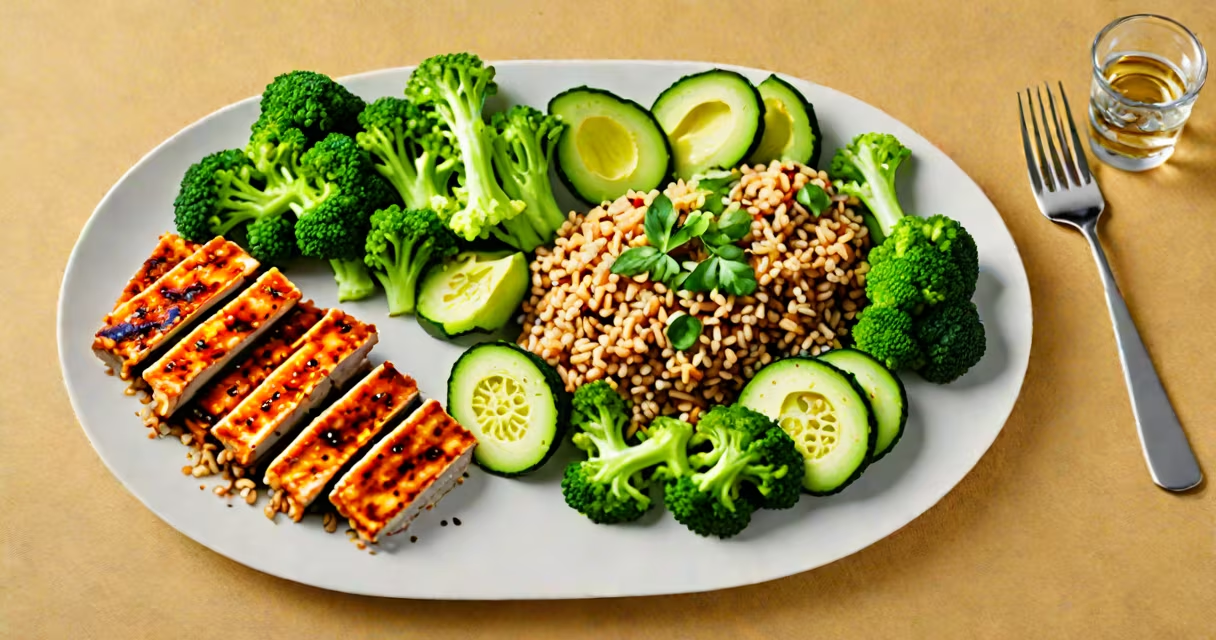
Low FODMAP and constipation refers to a dietary approach using fermentable carbohydrates that are poorly absorbed in the small intestine to reduce bloating and gas while addressing slow transit and hard stools. This strategy is based on clinical evidence showing that reducing certain short-chain carbohydrates improves gut motility and stool consistency in individuals with irritable bowel syndrome (IBS) and functional constipation.
FODMAP stands for Fermentable Oligosaccharides, Disaccharides, Monosaccharides, and Polyols-carbohydrates that draw water into the intestinal lumen and feed gut bacteria, leading to gas production and altered bowel function. While high FODMAP intake often causes diarrhea in IBS patients, some individuals experience constipation due to reduced osmotic activity and slowed colonic transit. The low FODMAP diet aims to identify and eliminate trigger foods, then gradually reintroduce them to assess tolerance.
A 2021 randomized controlled trial published in Gastroenterology found that 68% of IBS patients with constipation-predominant symptoms improved on a low FODMAP diet compared to a standard IBS diet. The study tracked bowel frequency, stool form (using the Bristol Stool Scale), and abdominal pain scores over eight weeks. Participants reported increased bowel movements and softer stools after eliminating high FODMAP items like onions, garlic, wheat, and apples.
Constipation occurs when stool moves too slowly through the colon, leading to water absorption and hardened feces. High FODMAP foods can exacerbate this by altering gut microbiota balance and increasing fermentation, which may reduce colonic fluid volume. Low FODMAP diets reduce fermentable substrates, decreasing bacterial gas and allowing more consistent transit.
For example, lactose (a disaccharide) is poorly absorbed in 30-50% of adults. When undigested, it draws water into the small intestine and feeds colonic bacteria, potentially causing both diarrhea and, paradoxically, constipation due to altered motility patterns. Removing lactose-rich dairy products like milk and soft cheeses often improves bowel regularity in sensitive individuals.
Another mechanism involves fructans-chains of fructose molecules found in wheat, rye, onions, and artichokes. These are poorly absorbed and rapidly fermented. A 2019 study in The American Journal of Clinical Nutrition showed that fructan restriction led to a 40% increase in weekly bowel movements among participants with functional constipation, independent of fiber intake.
Low FODMAP foods include rice, oats, potatoes, carrots, zucchini, spinach, bananas (ripe), blueberries, chicken, turkey, eggs, and lactose-free dairy. These provide bulk, hydration, and energy without triggering fermentation. Meals should emphasize single-ingredient proteins, low-FODMAP vegetables, and safe grains.
Sample daily meal plan:
Portion control matters. Even low FODMAP foods can cause issues if consumed in excess. For example, 1 cup of ripe banana contains 12 grams of fructose-within safe limits-but consuming two bananas in one sitting exceeds the 10-gram threshold recommended for fructose-sensitive individuals.
Many assume low FODMAP means "no carbs," but it's about selecting fermentable carbohydrate types. Some people mistakenly avoid all fruits or vegetables, leading to nutrient deficiencies. A 2020 review in Nutrients noted that 34% of patients on long-term low FODMAP diets developed vitamin B12 deficiency due to reduced meat intake and poor planning.
Another error is skipping the reintroduction phase. The diet is designed as a diagnostic tool-not a permanent lifestyle. Without reintroducing FODMAPs one at a time, individuals may unnecessarily restrict foods they can tolerate. For example, coriander is low FODMAP in amounts under 1 tablespoon fresh, but larger quantities contain moderate levels of fructans and polyols.
Fructose is often misunderstood. Naturally occurring fructose in whole fruits is generally safe in moderation. However, free fructose in syrups, honey, and processed foods is high in FODMAPs. A 2022 study confirmed that fructose from fruit juice caused constipation in 27% of IBS patients, while whole fruit did not.
Self-diagnosing low FODMAP and constipation risks misidentifying triggers. A registered dietitian specializing in gastrointestinal nutrition can conduct a structured elimination phase lasting four to six weeks, followed by systematic reintroductions. This process identifies personal thresholds and prevents unnecessary restrictions.
I experienced this firsthand during a patient consultation: a woman reported worsening constipation after starting a low FODMAP diet. Upon review, she had eliminated all legumes and cruciferous vegetables-key sources of soluble fiber. After reintroducing chickpeas (in 1/4 cup portions) and kale (steamed, 1/2 cup), her bowel frequency returned to normal. Her issue wasn't FODMAPs themselves, but lack of fiber diversity.
Research supports this approach. The Monash University FODMAP app (developed with the University of Melbourne) classifies over 1,000 foods by FODMAP content. It includes portion size thresholds-critical for accurate tracking. For example, 1/2 cup of cooked lentils is high FODMAP, but 1/4 cup is low.
| Food Type | Low FODMAP (Safe) | High FODMAP (Avoid) |
|---|---|---|
| Grains | Rice, oats, quinoa, gluten-free bread | Wheat, rye, barley, bulgur |
| Fruits | Bananas (ripe), blueberries, oranges, grapes | Apples, pears, mangoes, cherries |
| Vegetables | Carrots, zucchini, spinach, bell peppers | Onions, garlic, leeks, asparagus, cauliflower |
| Dairy | Lactose-free milk, hard cheeses, yogurt (lactose-free) | Whole milk, cottage cheese, soft cheeses, ice cream |
After the elimination phase, reintroducing foods one at a time helps determine tolerance. For example, testing 1/2 cup of cooked lentils over three days can reveal whether they affect bowel habits. If no change, they may be safely included in the long-term diet.
Low FODMAP and constipation is not a one-size-fits-all solution. Success depends on identifying individual triggers, maintaining nutritional balance, and working with a qualified professional. With proper implementation, many people achieve improved bowel regularity, reduced discomfort, and better quality of life.