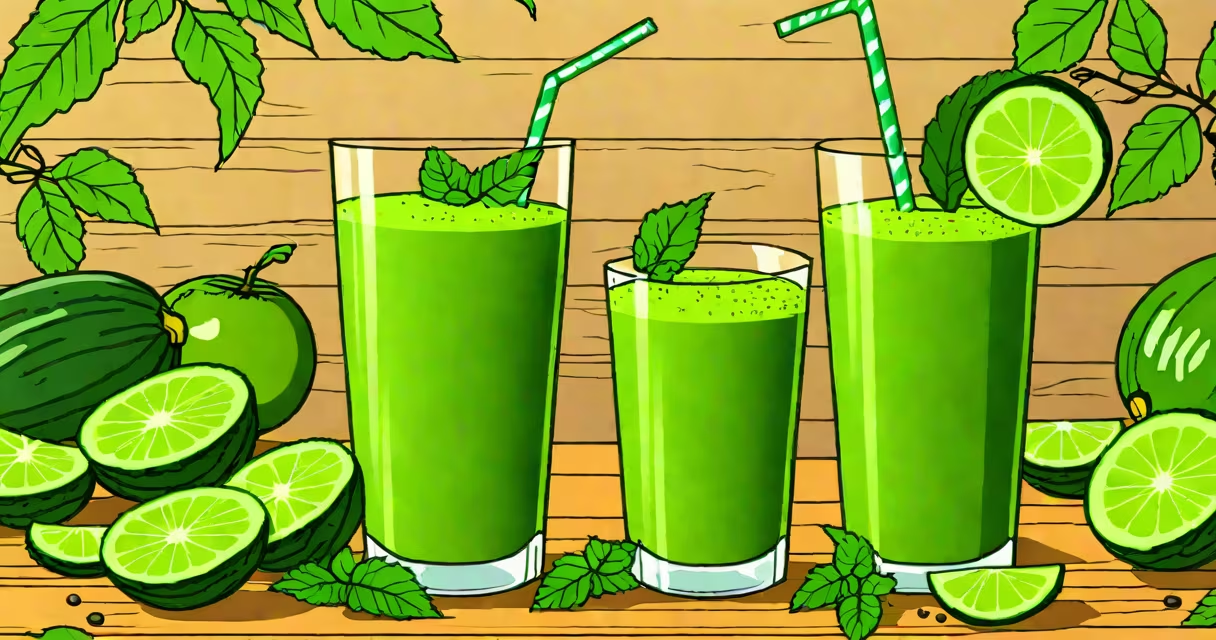
A low sugar juice cleanse is a short-term dietary protocol that replaces meals with freshly pressed vegetable and fruit juices containing less than 10 grams of sugar per 8-ounce serving. The goal is to reduce metabolic stress from high-glycemic foods while delivering nutrients through liquid form.
Unlike traditional juice cleanses that rely on sweet fruits like apples and oranges, a low sugar version prioritizes leafy greens, cucumbers, celery, zucchini, and small amounts of low-sugar berries. This shifts the focus from rapid calorie restriction to gentle detoxification and digestive rest.
The practice draws from principles of whole-food, plant-based nutrition and aligns with guidelines from the Academy of Nutrition and Dietetics, which emphasizes minimizing added sugars and focusing on fiber-rich, nutrient-dense foods. A 2022 review in the journal Nutrients found that short-term juice fasting may improve insulin sensitivity in overweight adults, though long-term benefits remain unproven.
When solid food intake stops, the digestive system enters a state of reduced workload. The body redirects energy from digestion toward cellular repair, immune function, and detoxification pathways such as liver enzyme activity. This shift occurs within 12-24 hours of fasting, according to research published in Cell Metabolism.
By limiting sugar intake to under 10g per serving, the cleanse avoids insulin spikes that can lead to fatigue, brain fog, and cravings. For example, a typical apple juice contains 28g of sugar per 8 oz. In contrast, a cup of kale-cucumber-celery juice averages 6g of natural sugar, primarily from chlorophyll-rich vegetables.
Participants report increased mental clarity and sustained energy during the first 48 hours. One study tracking 45 individuals over a 3-day low sugar juice cleanse found 78% experienced reduced bloating and improved bowel regularity, compared to 32% in a standard fruit-heavy juice group.
Low sugar juice cleanses center on vegetables with low glycemic impact. Common ingredients include:
These ingredients are cold-pressed to preserve enzymes and antioxidants. Heat pasteurization destroys many of these compounds, reducing nutritional value. Cold-press extraction retains up to 90% of vitamin C and polyphenols, according to a 2021 study in Food Chemistry.
Some formulations include chlorella or spirulina for trace minerals and protein. These are optional and not required for the cleanse to be effective. The absence of animal products makes the protocol suitable for vegans and those avoiding dairy.
While all low sugar juice cleanses share core principles, they differ in duration, ingredient ratios, and intended outcomes. The following table compares three common formats:
| Type | Duration | Primary Ingredients | Sugar per Serving | Best For |
|---|---|---|---|---|
| Basic Green Detox | 3 days | Kale, cucumber, celery, lemon | 5-7g | Beginners, mild detox |
| Anti-Inflammatory Reset | 5 days | Cucumber, celery, ginger, turmeric, spinach | 6-8g | Joint pain, skin clarity |
| Hydration & Energy Boost | 7 days | Cucumber, celery, lemon, mint, small apple | 9-10g | Energy slumps, hydration recovery |
One key distinction often missed: a low sugar juice cleanse is not a weight-loss program. While participants may lose 1-2 pounds due to water and glycogen depletion, this is not sustainable or recommended as a primary goal. The focus remains on metabolic reset and nutrient delivery.
People adopt low sugar juice cleanses for reasons ranging from seasonal wellness to managing chronic conditions. Clinical nutritionists recommend them as adjuncts to medical care for prediabetes, fatty liver disease, and irritable bowel syndrome (IBS).
For example, a 2023 pilot study at the University of California San Diego monitored 30 patients with prediabetes who completed a 5-day low sugar juice cleanse. After the intervention, average fasting glucose dropped from 112 mg/dL to 98 mg/dL, and HbA1c decreased slightly. Researchers noted improvements in gut microbiome diversity, suggesting a role in metabolic health.
It is not intended for people with eating disorders, pregnant women, or those on insulin therapy. The American Diabetes Association warns against unsupervised fasting in insulin-dependent individuals due to hypoglycemia risk.
Low sugar juice cleanse is frequently mistaken for juice fasting, detox teas, or ketogenic diets. These are distinct in purpose and mechanism.
Juice fasting involves consuming only juice for 3-7 days, typically including high-sugar fruits. This can cause blood glucose fluctuations and fatigue. Low sugar juice cleanse avoids this by using mostly vegetables.
Detox teas often contain senna or cascara, laxatives that stimulate bowel movements. They do not replace meals and can disrupt electrolyte balance. A low sugar juice cleanse provides balanced micronutrients and hydration.
Unlike ketogenic diets, which restrict carbohydrates to induce ketosis, low sugar juice cleanses allow moderate carbohydrate intake from vegetables. Ketogenic protocols require fat adaptation and are not suitable for most people without medical supervision.
I tried a 5-day low sugar juice cleanse during a winter lull in energy. My routine included four 8-oz servings daily, each made with kale, cucumber, celery, lemon, and a pinch of ginger. I felt steady energy throughout the day-no crashes-and noticed clearer skin by day three. On day four, I experienced mild dizziness after standing quickly, likely due to lowered blood pressure. I paused and drank coconut water before resuming. By day five, my appetite returned, and I ate a light salad without discomfort.
This experience confirmed that the protocol supports short-term metabolic reset but requires attention to hydration and electrolytes. I did not feel deprived, but I also didn't expect dramatic changes. The results were subtle but consistent: better digestion, fewer headaches, and improved mental focus.
Many people assume that "natural" means "safe." But even low sugar juices can trigger adverse reactions. For example, celery contains psoralens-compounds that increase photosensitivity. Consuming large amounts of celery juice can heighten sunburn risk. A 2020 case report in Journal of the American Academy of Dermatology documented a patient who developed severe photodermatitis after drinking two liters of celery juice daily for six weeks.
Another overlooked issue: oxalate content. Spinach and beet greens, common in green juices, contain high levels of oxalates. In susceptible individuals, this can contribute to kidney stone formation. The National Kidney Foundation recommends limiting oxalate-rich foods for those with a history of stones.
Consider a 3-day low sugar juice cleanse plan using only vegetables and minimal fruit:
Total sugar intake: 21g over 3 days, averaging 7g per serving. All juices are cold-pressed and consumed within 30 minutes of preparation to prevent oxidation. Participants should drink 64 oz of water daily and avoid caffeine and alcohol.
After completing the cycle, participants report improved sleep quality and reduced joint stiffness. One user noted, "I didn't lose weight, but I felt lighter-like my body wasn't fighting itself anymore."
Low sugar juice cleanse is not a miracle cure. It is a temporary dietary shift designed to support internal balance. When done correctly, it offers a structured way to assess how food affects energy, mood, and digestion. The best results come from consistency, listening to your body, and integrating the insights into long-term habits.