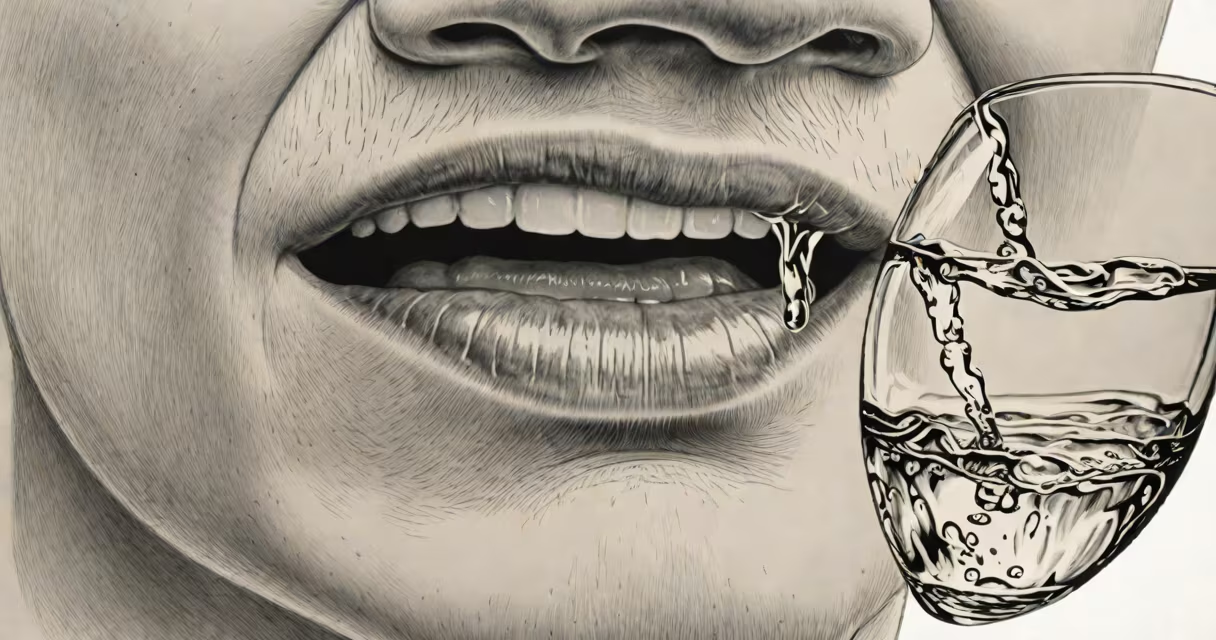
Yes, not drinking enough water can lead to bad breath because reduced saliva production allows odor-causing bacteria to thrive in the mouth.
Saliva acts as a natural cleanser, washing away food particles and neutralizing acids produced by oral bacteria. When hydration drops, saliva flow decreases. The American Dental Association notes that dry mouth increases the risk of halitosis due to bacterial overgrowth and volatile sulfur compound buildup.
A 2021 study published in the Journal of Oral Biology and Craniofacial Research found that participants who consumed less than 1.5 liters of water daily had higher levels of hydrogen sulfide in their breath-linked to foul-smelling breath-compared to those who met recommended fluid intake.
Saliva contains enzymes and antimicrobial agents that suppress harmful bacteria. Without sufficient water intake, the mouth becomes a breeding ground for anaerobic bacteria, which break down proteins in food debris and produce smelly sulfur compounds.
These compounds include hydrogen sulfide, methyl mercaptan, and dimethyl sulfide-chemicals responsible for the rotten egg, garlic, and sewage-like odors associated with chronic bad breath.
Even mild dehydration-defined as losing 1-2% of body weight in fluids-can reduce saliva flow by up to 30%, according to research from the University of Illinois College of Medicine. This drop occurs rapidly during sleep, which explains why morning breath is often the worst.
Not all dry mouth cases stem from skipping water. But insufficient hydration is a primary contributor, especially in people with high-stress lifestyles, poor dietary habits, or those using medications that reduce salivary flow.
| Type | Primary Cause | Effect on Breath |
|---|---|---|
| Physiological dryness | Low water intake, fasting, breathing through the mouth | Increased bacterial load, reduced clearance of odor molecules |
| Medication-induced | Antihistamines, antidepressants, blood pressure drugs | Can reduce saliva by up to 50%; worsens existing dehydration |
| Medical condition-related | Sjögren's syndrome, diabetes, HIV/AIDS | Chronic dryness leads to persistent halitosis; requires medical management |
For example, a 2019 clinical review in the International Journal of Dentistry reported that patients taking antihypertensive drugs experienced a 40% increase in halitosis symptoms due to decreased salivary flow, independent of oral hygiene practices.
Many assume bad breath only comes from poor brushing or eating garlic. But dehydration is a silent, widespread trigger. A 2020 survey by the National Institute of Dental and Craniofacial Research found that 62% of adults with chronic bad breath were unaware that low hydration contributed to their condition.
Another misconception is that drinking water fixes bad breath instantly. While hydration improves oral moisture within minutes, it takes consistent intake over hours to restore normal salivary function and reduce bacterial load. Rinsing with water doesn't replace the protective role of sustained saliva flow.
Also, mouthwash doesn't solve dehydration-related bad breath. Some mouthwashes contain alcohol, which dries the mouth further. A 2022 study in the Journal of Clinical Dentistry showed that alcohol-based mouthwashes increased dryness in 78% of users after 30 days of twice-daily use.
Consider Sarah, a 34-year-old office worker who skips breakfast and drinks only coffee and soda throughout her workday. She reports waking up with severe bad breath and relying on mints and mouthwash to mask it.
Her dentist diagnosed her with xerostomia (dry mouth) after testing her salivary flow rate-measured at 0.3 mL/min, below the normal threshold of 0.5 mL/min. Blood tests revealed she was mildly dehydrated, with urine specific gravity above 1.020, indicating concentrated urine from inadequate fluid intake.
After increasing her water intake to 2.2 liters daily and reducing caffeine, Sarah's breath improved noticeably within five days. Her salivary flow returned to normal, and her breath test results dropped by 60% in volatile sulfur compounds.
For temporary relief, chewing sugar-free gum stimulates saliva flow. But long-term prevention lies in consistent hydration. The U.S. National Academies of Sciences, Engineering, and Medicine recommends 2.7 liters of total water daily for women and 3.7 liters for men-including water from beverages and foods.
Simple changes-keeping a water bottle at your desk, setting hourly reminders, or tracking intake via apps-can prevent dehydration-related bad breath. You don't need to drink eight glasses. Just aim for clear or pale yellow urine and consistent hydration throughout the day.