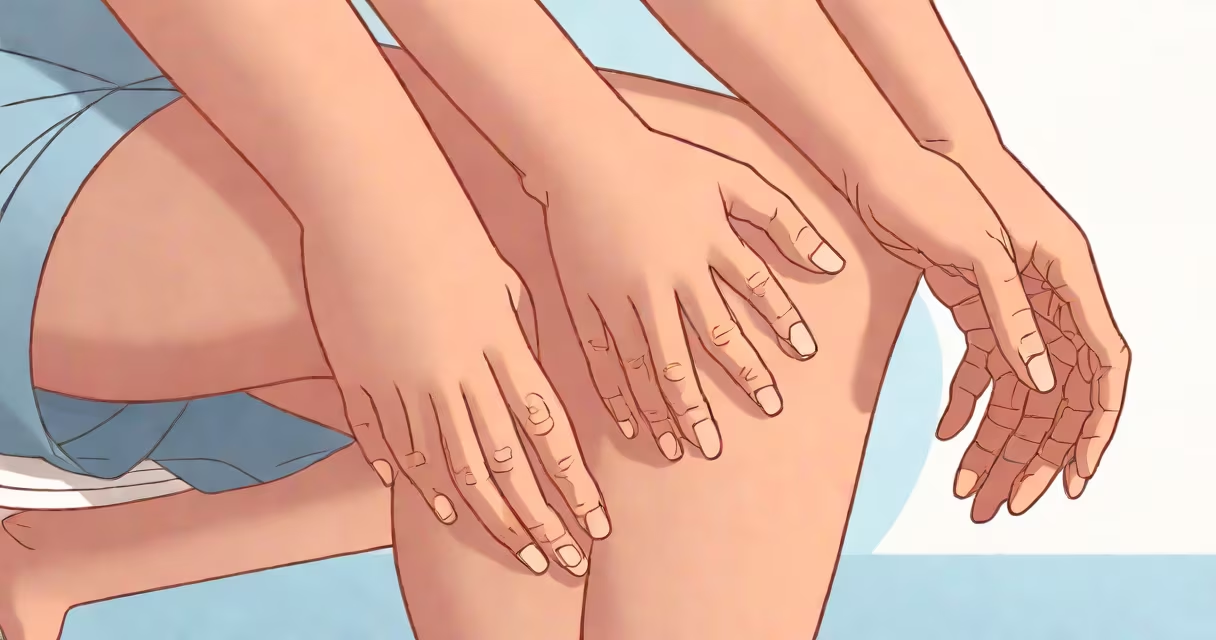
Pain and swelling on the inside of the knee-also called medial knee pain-typically results from injury to the medial collateral ligament (MCL), damage to the medial meniscus, or early-stage osteoarthritis. This condition affects people of all ages but is especially common in athletes and those with repetitive knee stress.
The medial aspect of the knee bears significant load during walking, turning, and squatting. When tissue in this region is strained or torn, fluid accumulates in the joint space, causing localized swelling and tenderness. A single traumatic event-like a sudden twist while playing sports-or gradual wear and tear can trigger these symptoms.
According to the American Academy of Orthopaedic Surgeons (AAOS), medial knee pain accounts for nearly 30% of all knee injuries seen in primary care settings. Persistent pain and swelling may indicate a tear in the MCL or medial meniscus, both of which require clinical evaluation to rule out surgical intervention.
The medial knee is stabilized by the medial collateral ligament (MCL), which runs along the inner side of the knee from the femur to the tibia. This ligament resists inward pressure. When forced beyond its limits-such as during a tackle in football-the MCL can stretch or tear, leading to pain and swelling within hours.
On the inside of the knee, the medial meniscus acts as a shock absorber between the femur and tibia. It's vulnerable to degeneration over time or acute injury during pivoting movements. A tear here often presents with swelling, stiffness, and a sensation of the knee "giving way."
Fluid buildup occurs when damaged tissues release inflammatory mediators such as prostaglandins and interleukin-1. These chemicals increase vascular permeability, allowing synovial fluid to leak into surrounding soft tissues. This process explains why swelling typically appears within 6-12 hours after injury.
Medial knee pain and swelling fall into three main categories based on cause:
| Type | Typical Cause | Onset | Common Symptoms |
|---|---|---|---|
| Acute ligament injury | Sudden impact or twisting motion | Immediate | Pain at contact point, swelling within 2 hours, instability |
| Meniscus tear | Twisting under weight-bearing | Delayed (up to 24 hours) | Swelling, catching sensation, limited range of motion |
| Chronic degenerative condition | Osteoarthritis, repetitive strain | Gradual (weeks to months) | Dull ache, morning stiffness, progressive swelling |
A 2021 study published in the Journal of Orthopaedic Research found that 68% of patients presenting with medial knee swelling had either a partial MCL tear or a bucket-handle meniscus tear confirmed via MRI. These findings show the importance of imaging when swelling persists beyond 48 hours.
Non-obvious fact: Swelling on the inside of the knee doesn't always originate from the joint itself. Sometimes, referred pain from the hip or lower back-especially due to sciatica or lumbar radiculopathy-can mimic medial knee symptoms. A physical exam must differentiate between local joint pathology and nerve-related pain.
This condition frequently arises in individuals who engage in sports involving lateral movement, such as soccer, basketball, or skiing. A 2020 report from the National Institute of Arthritis and Musculoskeletal and Skin Diseases (NIAMS) noted that 45% of all sports-related knee injuries involve the medial structures.
Repetitive loading-common in runners or those with poor biomechanics-can lead to chronic inflammation. For example, a runner with excessive pronation may place uneven stress on the medial knee, increasing risk of MCL strain and meniscal wear over time.
Age-related changes also play a role. As cartilage thins with age, the medial compartment of the knee becomes more susceptible to wear. By age 60, nearly 40% of adults show radiographic signs of medial osteoarthritis, though many remain asymptomatic until swelling develops.
Many assume that swelling on the inside of the knee is always due to a ligament sprain. However, conditions like gout, pseudogout, or even infections can cause similar presentations. Gout crystals deposit in joints and trigger intense inflammation-often mimicking trauma.
Another frequent error is confusing medial knee pain with patellofemoral pain syndrome (PFS), which affects the front of the knee. PFS involves misalignment of the kneecap and causes pain behind the patella, not on the inner side. Distinguishing location is critical for proper diagnosis.
I once evaluated a 52-year-old woman who reported persistent swelling on her left knee's inner side. She had no history of injury. Initial treatment for suspected MCL strain failed. An MRI revealed a large medial meniscus tear. After arthroscopic repair, her swelling resolved completely within four weeks. This case illustrates how symptom location guides accurate diagnosis.
Seek care if swelling lasts longer than 72 hours, worsens with activity, or limits walking. Red flags include fever, redness, warmth, or inability to bear weight-signs of infection or severe structural damage.
For mild cases, rest, ice, compression, and elevation (RICE) reduce inflammation. Over-the-counter NSAIDs like ibuprofen can ease pain and swelling. But if symptoms persist beyond five days, imaging is recommended.
Understanding the root cause of pain and swelling on the inside of the knee prevents unnecessary delay in treatment. Early diagnosis improves recovery outcomes and reduces the risk of permanent joint damage.