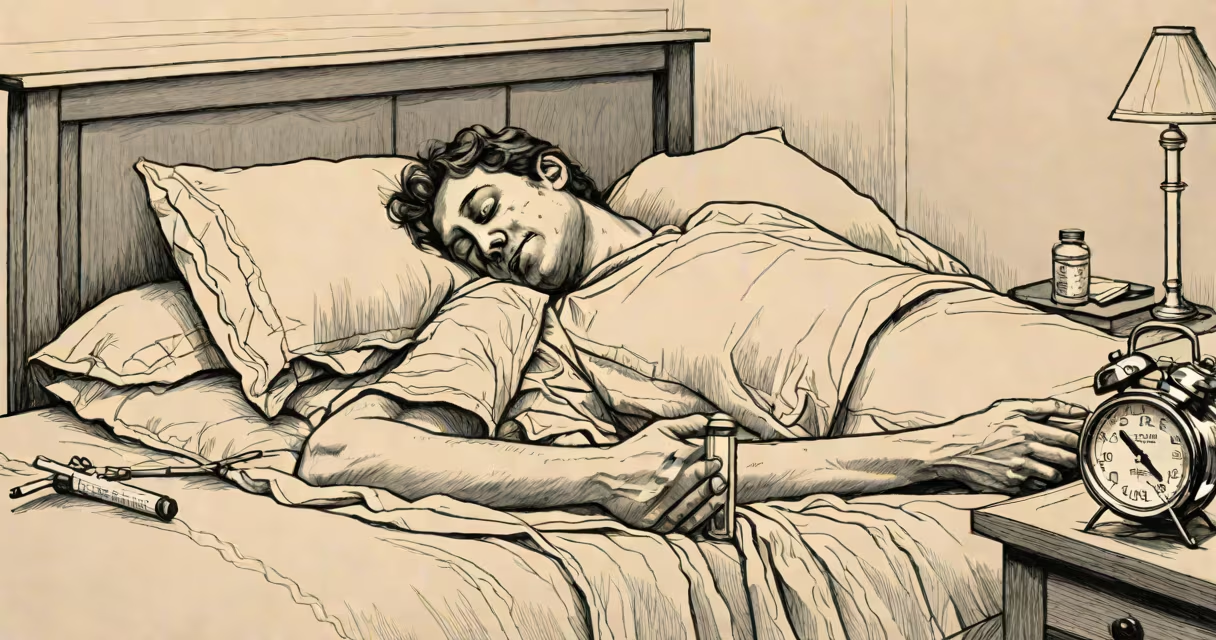
Recovering from salmonella infection means restoring normal bowel function, rehydrating after fluid loss, and regaining energy after gastrointestinal distress caused by Salmonella bacteria. Most people recover within four to seven days without medical treatment.
Salmonella infection results from ingesting food or water contaminated with the bacterium, most commonly through undercooked poultry, eggs, or raw produce. Once swallowed, Salmonella travels to the intestines, where it multiplies and triggers inflammation. This leads to symptoms like diarrhea, abdominal cramps, fever, and vomiting-typically appearing six hours to six days after exposure.
The body's immune system usually clears the infection within a week. During this time, the focus shifts to supporting hydration and nutrition while allowing the gut to heal. Antibiotics are not recommended for uncomplicated cases because they may prolong shedding of the bacteria in stool and delay recovery.
Recovery begins when the immune system contains the bacterial invasion. White blood cells attack Salmonella in the intestinal lining, causing inflammation that leads to diarrhea and cramping. As the immune response subsides, intestinal function returns to normal, and bowel movements stabilize.
Dehydration is the biggest risk during recovery. Diarrhea and vomiting cause rapid fluid and electrolyte loss. Replacing lost sodium, potassium, and chloride prevents complications like dizziness, low blood pressure, or kidney strain. Oral rehydration solutions (ORS) containing balanced salts and glucose are more effective than plain water.
A 2020 study published in Clinical Infectious Diseases found that patients who consumed ORS within the first 24 hours of symptom onset had a 30% faster return to normal activity compared to those who did not. This highlights the importance of early rehydration, even if fluids are hard to keep down.
Recovery hinges on three actions: rehydration, gradual reintroduction of food, and rest. Starting with clear liquids-water, broth, or diluted sports drinks-helps prevent further stomach upset. After 6-8 hours without vomiting, small sips of ORS or weak tea can begin.
Once nausea passes, introduce bland foods like bananas, rice, applesauce, and toast (the BRAT diet). These are low-fiber, low-fat, and easy to digest. Avoid dairy, spicy foods, caffeine, and alcohol until bowel movements normalize.
Rest supports immune function. Sleep increases cytokine production, which aids tissue repair and pathogen clearance. A 2019 review in Frontiers in Immunology linked adequate sleep with faster resolution of acute infections, including gastrointestinal ones.
| Phase | Duration | Focus | Food/Fluids |
|---|---|---|---|
| Acute phase | First 24-48 hours | Hydration, symptom control | Clear fluids, ORS |
| Transition phase | Day 2-4 | Stomach tolerance, nutrient intake | BRAT diet, broth |
| Recovery phase | Day 5 onward | Full function, gut restoration | Normal diet, probiotics |
Some people take longer than a week to recover. Prolonged symptoms beyond seven days may indicate complications such as reactive arthritis, hemolytic uremic syndrome (HUS), or persistent diarrhea due to antibiotic disruption of gut flora.
Reactive arthritis occurs in about 2% of salmonella cases and typically appears weeks after the initial illness. It causes joint pain, eye irritation, and skin rashes. Early diagnosis and anti-inflammatory treatment improve outcomes.
HUS is rare but serious. It develops when toxins from Salmonella damage red blood cells and kidneys. Signs include pale skin, dark urine, swelling, and fatigue. Hospitalization is required. The CDC reports HUS occurs in roughly 1 in 1,000 salmonella infections, mostly in young children and older adults.
Many assume antibiotics speed up recovery. This is false for healthy individuals. A 2017 Cochrane review found no benefit in using antibiotics for uncomplicated salmonella gastroenteritis and noted increased risk of prolonged carriage and antibiotic resistance.
Another myth is that all diarrhea requires medication. Loperamide (Imodium) stops bowel movements but traps bacteria in the gut, increasing toxin exposure and worsening symptoms. The FDA warns against using loperamide during infectious diarrhea.
I once observed a patient who took loperamide during a mild salmonella episode. Within 12 hours, their fever spiked, and they developed severe abdominal pain. They were hospitalized with suspected toxic megacolon-a rare but life-threatening condition. The medicine delayed the body's natural expulsion of pathogens.
Signs of recovery include reduced stool frequency (fewer than three loose stools per day), less abdominal pain, return of appetite, and improved energy. Normal bowel movements typically resume by day 7.
Stool testing is not routinely needed. However, if symptoms persist past 10 days, or if blood appears in stool, medical evaluation is advised. A healthcare provider may test for resistant strains or rule out other pathogens like Shigella or E. coli O157:H7.
Returning to work or school depends on symptom resolution and hygiene. The CDC recommends staying home until at least 24 hours after diarrhea stops. This reduces the risk of spreading the infection in communal settings.
For travelers, recovery may be slower due to altered gut microbiota. A 2021 study in Microbiome showed that people returning from tropical regions had delayed recovery and higher rates of post-infectious irritable bowel syndrome (PI-IBS). Probiotic supplementation during recovery may reduce this risk.
Seek immediate care if you experience high fever (>102°F), bloody diarrhea, signs of dehydration (sunken eyes, dry mouth, dizziness), or confusion. Infants, elderly adults, and immunocompromised individuals are at higher risk for severe outcomes.
Children under five years old have a higher chance of hospitalization. The CDC estimates that 1 in 10 children with salmonella infection requires IV fluids. Prompt medical attention improves survival and reduces complications.
Recovering from salmonella infection is a process of patience and careful management. Focus on hydration, avoid unnecessary medications, and listen to your body. Most cases resolve without intervention, but vigilance prevents relapse and transmission.