Schools for game development are accredited academic institutions offering degree programs in video game design, programming, art, and production. These programs combine technical training with creative problem-solving to prepare students for careers in the gaming industry.
Game development education spans associate degrees, bachelor's degrees, and graduate certificates. Programs emphasize hands-on creation of playable games using industry-standard tools like Unity, Unreal Engine, and Blender. Students learn to code mechanics, model characters, compose soundtracks, and manage team-based projects.
Admission typically requires a high school diploma or equivalent, a portfolio of creative work, and sometimes a basic understanding of math or computer science. Many schools require applicants to submit a demo reel or prototype game.
These schools structure learning around iterative project cycles. Students build small games each term, then refine them through feedback and testing. A typical semester includes weekly coding assignments, concept art reviews, and group playtests.
Classes blend theory and practice. For example, a course in "Game Mechanics Design" teaches principles of player motivation and reward systems while requiring students to implement a level with escalating difficulty. Another class, "Interactive Narrative," covers branching storylines and dialogue trees, followed by building a short narrative-driven game.
Capstone projects often involve teams of five to eight students simulating a real game studio. They pitch ideas, assign roles (programmer, artist, designer), develop a prototype in 12 weeks, and present it to industry judges. Some schools host public showcases at events like the Game Developers Conference (GDC).
Students choose tracks based on interest and career goals. The most common specializations include:
| Specialization | Focus Areas | Common Tools | Typical Career Paths |
|---|---|---|---|
| Game Programming | Scripting, AI behavior, physics engines, networking | C#, C++, Python, Unity, Unreal | Software engineer, gameplay programmer, engine developer |
| Game Art & Animation | 3D modeling, texture painting, rigging, motion capture | Maya, Blender, Substance Painter, ZBrush | Character artist, environment designer, animator |
| Game Design & Production | Level design, UX/UI, prototyping, project management | Unity, Figma, Trello, Adobe Creative Set | Lead designer, producer, UX specialist |
| Audio Design | Sound effects, music composition, spatial audio | FMOD, Wwise, Ableton Live, Audacity | Sound designer, composer, audio programmer |
Some schools offer dual-degree options. For example, a student might earn a B.S. in Computer Science and a minor in Game Development, enabling them to pursue roles in both software engineering and game systems design.
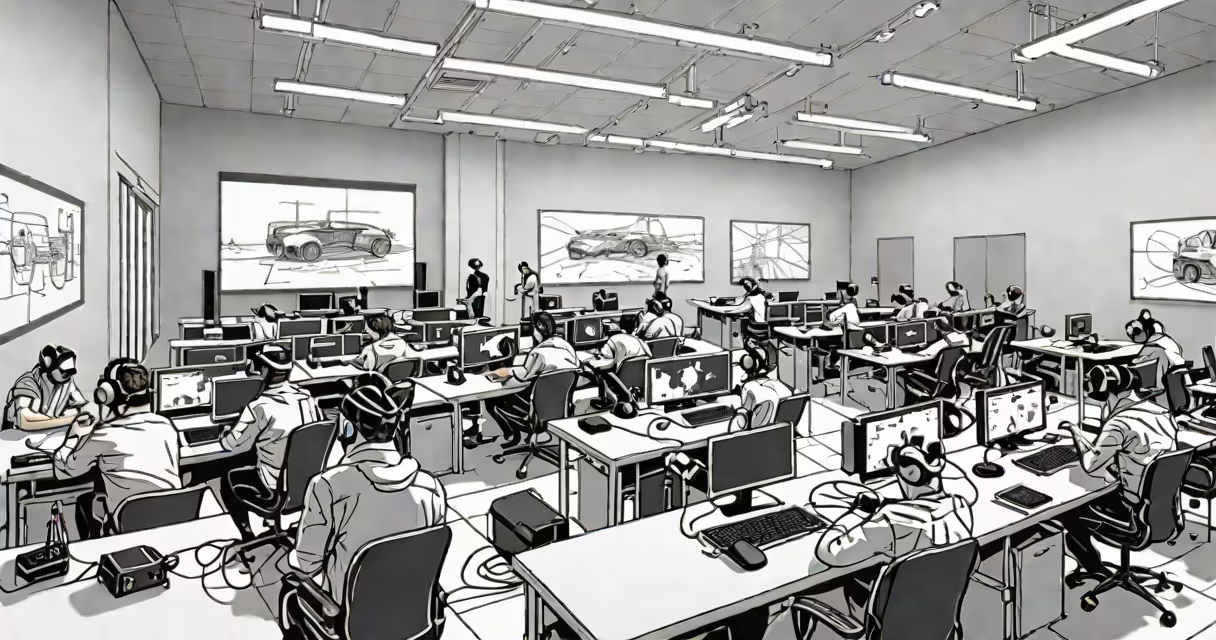
Online programs exist but differ in structure. Fully remote programs lack access to physical labs and in-person mentorship. On-campus programs provide dedicated game dev studios, VR testing rooms, and collaboration spaces. Research shows students in on-campus programs complete 30% more team projects during their degree.
These schools serve aspiring developers seeking formal training before entering the job market. Graduates often join studios such as Naughty Dog, Riot Games, or indie teams like Supergiant Games. Entry-level roles include junior programmer, 2D artist, or QA tester.
Many schools partner with game companies for internships. For example, DigiPen Institute of Technology has a placement rate of 89% for graduates who complete a paid internship. Students at Full Sail University report that 67% of alumni secured jobs within six months of graduation.
Accreditation matters. The National Association of Schools of Art and Design (NASAD) accredits 28 game development programs in the U.S. The Computing Accreditation Commission (CAC) of ABET evaluates computer science components. Programs without either accreditation may not qualify for federal financial aid or employer recognition.
A non-obvious distinction: not all schools with "game" in the name are focused on development. Some offer degrees in game studies, which analyze games as cultural artifacts. These programs emphasize history, ethics, and sociology rather than software creation. Students should verify curriculum details before enrolling.
One myth is that game development schools teach only how to make games. In reality, they emphasize process: iteration, documentation, version control, and user testing. Students learn Git for code management and Agile sprints for task planning.
Another misconception is that only coders succeed. Artists, writers, and sound designers are equally important. A 2023 GDC survey found that 62% of game studios prioritize team diversity in hiring. A single game may involve 50 people across disciplines.
I once attended a demo day at a regional college where a team presented a puzzle game built entirely in Unity. The lead designer had no prior coding experience. She learned C# through tutorials and debugging sessions. Her team won third place in a national student competition. This illustrates that success depends less on innate talent and more on structured support.
When choosing schools for game development, look beyond rankings. Evaluate faculty backgrounds-do they have industry experience? Check if labs have current-gen hardware like NVIDIA RTX cards and VR headsets. Confirm whether capstone projects are judged by professionals, not just professors.
Schools for game development deliver more than technical skills. They cultivate resilience, collaboration, and creative ownership. Graduates leave not just with a resume, but with a portfolio of completed games that demonstrate their ability to solve complex problems under deadline pressure.