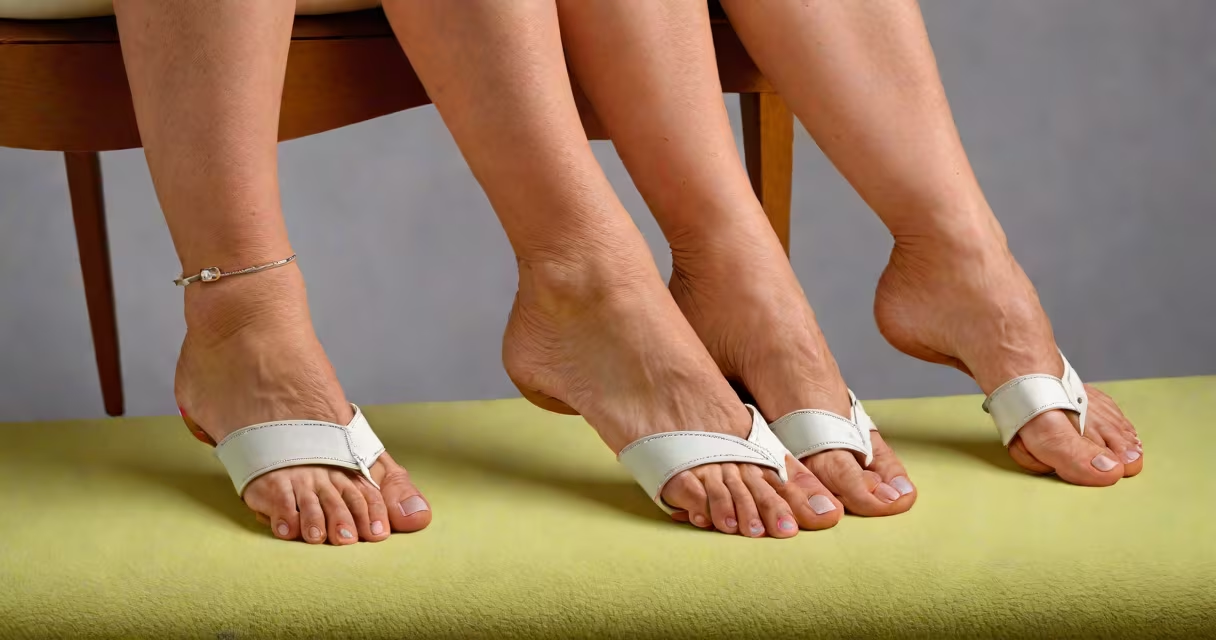
Severe swelling in feet during pregnancy is abnormal fluid buildup in the lower extremities that exceeds typical pregnancy-related edema and may indicate a medical concern such as preeclampsia or deep vein thrombosis. It often presents with sudden onset, asymmetry, or accompanying symptoms like high blood pressure or vision changes.
During pregnancy, the body retains more fluid to support fetal development and increased blood volume. This typically causes mild swelling in the feet and ankles, especially in the third trimester. However, severe swelling-defined as noticeable puffiness that leaves an indentation when pressed (pitting edema), affects one foot more than the other, or spreads to the legs or hands-is not normal and requires evaluation.
The American College of Obstetricians and Gynecologists (ACOG) notes that while some swelling is expected, rapid or asymmetric swelling may signal underlying issues. For example, preeclampsia-a condition affecting 5-8% of pregnancies-can cause severe swelling along with elevated blood pressure and protein in the urine. Left untreated, it increases risks for preterm birth and maternal complications.
Swelling results from increased blood volume and hormonal changes that relax blood vessel walls. Progesterone and human placental lactogen reduce vascular tone, allowing fluid to leak into surrounding tissues. Normally, gravity and movement help drain excess fluid. But prolonged standing, heat exposure, or poor circulation can overwhelm this system.
When swelling becomes severe, it suggests impaired fluid regulation. In preeclampsia, endothelial dysfunction narrows small blood vessels, increasing pressure and forcing fluid out. This leads to generalized edema, including in the feet. A 2021 study in Obstetrics & Gynecology found that women with preeclampsia were 3.4 times more likely to report bilateral foot swelling compared to controls.
Other causes include deep vein thrombosis (DVT), which occurs in about 1 in 1,000 pregnancies. DVT causes unilateral swelling, warmth, and pain-distinguishing it from symmetric swelling due to fluid retention. Heart or kidney conditions are rare but possible contributors, especially if swelling persists postpartum.
Not all foot swelling during pregnancy is equal. Understanding the type helps determine urgency:
| Type | Characteristics | Common Causes | Red Flags |
|---|---|---|---|
| Mild, symmetrical | Feet swell evenly; improves with rest or elevation | Normal fluid retention, heat, prolonged standing | None-typically harmless |
| Severe, pitting | Indentation remains after pressing skin; may affect both feet | Preeclampsia, heart strain, kidney issues | Blood pressure >140/90 mmHg, headache, blurred vision |
| Unilateral | Only one foot swells; often warm or painful | DVT, injury, infection | Swelling worsens over hours, leg redness, calf tenderness |
For example, a 36-week pregnant woman reported her left foot swelling rapidly over 12 hours. Pressing it left a 1 cm dent that took 30 seconds to refill. She also had a persistent headache and blurred vision. Her blood pressure was 158/96 mmHg. These signs prompted emergency evaluation, leading to a diagnosis of early-onset preeclampsia. She delivered at 37 weeks via cesarean due to declining fetal heart rate.
One non-obvious distinction: swelling from preeclampsia tends to start in the face and hands before spreading to the feet. Swelling that begins in the feet and moves upward is less likely to be preeclampsia and more likely to be venous insufficiency or lymphatic issues.
Severe swelling in feet pregnancy demands prompt attention if accompanied by any of the following:
These symptoms suggest preeclampsia or other serious conditions. The CDC reports that preeclampsia contributes to 10% of maternal deaths in the U.S., making timely detection critical.
I once observed a patient who ignored worsening foot swelling until she developed seizures at 38 weeks. She had missed routine prenatal visits and didn't recognize the danger signs. After emergency delivery, she recovered but required intensive care. This case underscores that self-monitoring is not enough-regular prenatal checks are essential.
For mild swelling, simple measures help: wearing compression stockings, avoiding prolonged standing, elevating feet above heart level for 30 minutes twice daily, and staying hydrated. Limiting salt intake reduces fluid retention, though extreme restriction is unnecessary.
If swelling is due to preeclampsia, treatment depends on severity and gestational age. Mild cases may involve bed rest and close monitoring. Severe cases require hospitalization and medication to control blood pressure and prevent seizures. Delivery is the definitive treatment, usually before 37 weeks if maternal or fetal risk escalates.
For suspected DVT, ultrasound confirms the diagnosis. Anticoagulants like low-molecular-weight heparin are safe during pregnancy and reduce clot progression. Early diagnosis prevents pulmonary embolism, a leading cause of death in pregnant women.
One feet swelling during pregnancy can be misleading-many assume it's always normal. But when swelling is sudden, asymmetric, or paired with systemic symptoms, it's not just discomfort-it's a warning sign. Always report changes to your provider.