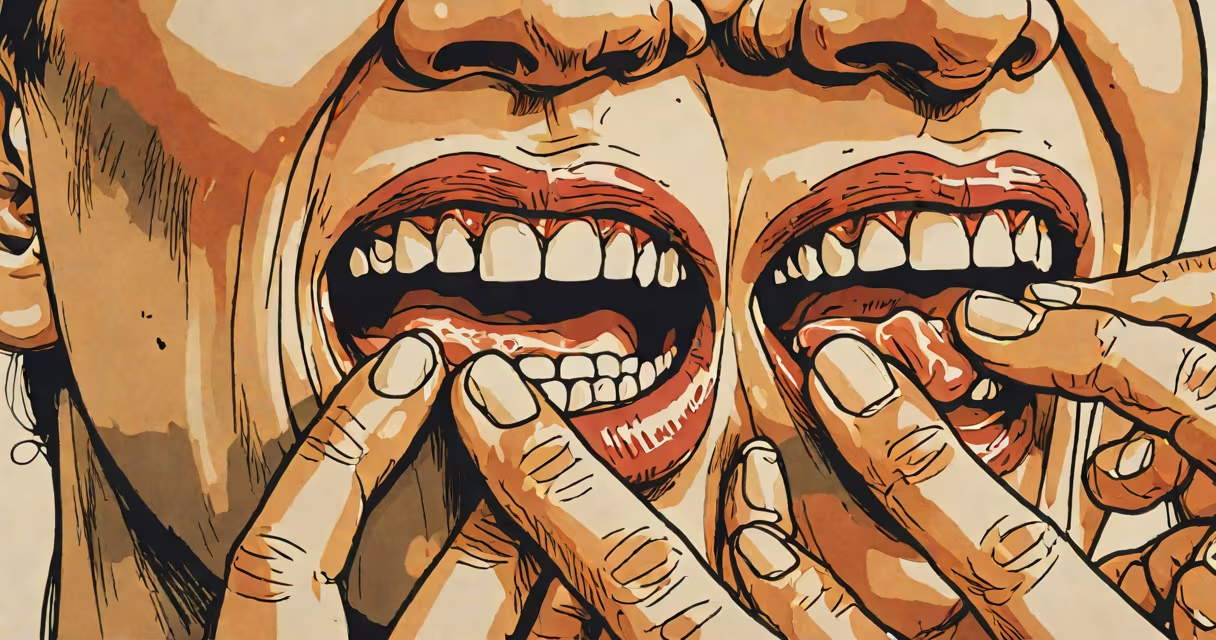
Signs of sensitive teeth include sudden, sharp pain when consuming hot, cold, sweet, or acidic foods and drinks, or when breathing in cold air. This discomfort typically lasts seconds and occurs in specific teeth rather than a generalized ache. It results from exposed dentin, the layer beneath the enamel, which contains tiny tubules leading to nerve endings.
Sensitive teeth don't appear overnight. They develop gradually as protective layers wear away. The most common triggers are temperature changes and sugar exposure. For example, biting into an ice pop may cause a jolt of pain in one molar. That pain stops when the stimulus ends, unlike persistent toothaches from infection or decay.
The American Dental Association (ADA) notes that tooth sensitivity affects up to 37% of adults, often beginning between ages 20 and 40. It's not just a minor annoyance-it can disrupt daily routines like brushing, drinking coffee, or even talking in windy weather. Recognizing the signs early helps prevent further damage and reduces long-term treatment needs.
Teeth have three layers: enamel (outer shell), dentin (middle layer), and pulp (inner core with nerves). Enamel protects against temperature and pressure. When it wears down or gums recede, dentin becomes exposed. Dentin contains microscopic tubules that transmit sensations directly to the nerve.
When cold water touches exposed dentin, fluid shifts inside the tubules. This movement stimulates nerves, causing a brief but intense spike of pain. The same happens with heat, sweetness, or pressure from chewing. The sensation feels localized-like a single tooth "zaps" you-but it's not a sign of a cavity.
A 2021 study published in the Journal of Clinical Dentistry found that 68% of patients reporting sensitivity had gum recession, not cavities. This shows that sensitivity often stems from lost protection, not decay. Once the dentin is uncovered, everyday stimuli trigger pain signals that the brain interprets as sharp discomfort.
True signs of sensitive teeth include:
These differ from toothache caused by infection, which lingers, worsens at night, and may involve throbbing pain. Sensitivity also doesn't cause swelling or pus. If you have facial swelling or constant pain, see a dentist immediately-those indicate abscesses or advanced decay.
Some people mistake sensitivity for TMJ pain or sinus issues. But TMJ-related jaw pain radiates to the ear or temple and often involves clicking or locking of the jaw. Sinus pain tends to affect both sides of the face and worsens when bending forward. True tooth sensitivity is isolated to the teeth and responds to desensitizing products.
Dentin exposure leads to sensitivity. Common causes include:
| Cause | How It Leads to Sensitivity | Prevalence |
|---|---|---|
| Gum recession | Receding gums expose root surfaces, which lack enamel and are highly sensitive. | 68% of cases (Journal of Clinical Dentistry, 2021) |
| Enamel erosion | Acidic foods, aggressive brushing, or acid reflux wear down enamel. | 34% of cases (ADA, 2022) |
| Tooth grinding (bruxism) | Grinding wears down enamel and exposes dentin over time. | 20% of adults report bruxism (NIH, 2020) |
| Recent dental work | Fillings, crowns, or whitening treatments can temporarily increase sensitivity. | Up to 50% after professional whitening (Journal of Esthetic Dentistry, 2019) |
One non-obvious fact: sensitivity after whitening is usually temporary. A 2019 study found that 85% of patients experienced reduced sensitivity within two weeks using desensitizing toothpaste. This contrasts with chronic sensitivity, which persists without treatment.
I once treated a patient who reported pain when drinking iced tea. She had no cavities, but her gums had receded due to years of hard-bristled brush use. After switching to a soft brush and using a potassium nitrate toothpaste, her sensitivity vanished in six weeks. This case highlights that behavior-not disease-is often the root cause.
If you notice consistent pain triggered by cold, heat, or sweets, especially if it lasts longer than 30 seconds or spreads, consult a dentist. Persistent pain suggests deeper issues like decay, cracked teeth, or nerve inflammation.
For mild cases, over-the-counter desensitizing toothpastes containing strontium chloride or potassium nitrate can reduce symptoms in 2-4 weeks. Apply them twice daily for at least four weeks. Avoid abrasive pastes and electric toothbrushes with high-pressure settings.
For immediate relief, avoid extreme temperatures and sugary snacks. Use a soft-bristled toothbrush and brush gently in circular motions. If symptoms persist beyond a month, see a dentist. Early intervention prevents irreversible damage.