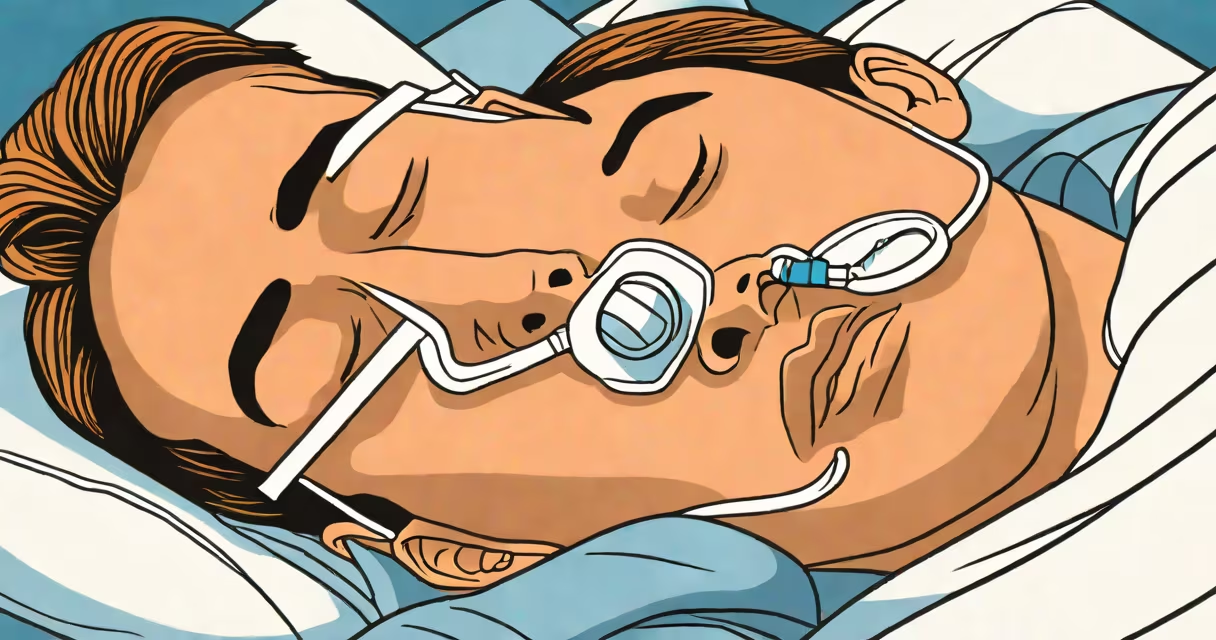
Snoring solutions that work address the root cause of airway obstruction during sleep, such as relaxed throat tissues, nasal congestion, or sleep position. Effective options include nasal strips, mandibular advancement devices, positional therapy, and continuous positive airway pressure (CPAP) machines-each proven to reduce or eliminate snoring in specific cases.
Snoring occurs when airflow through the nose and mouth is partially blocked during sleep. This vibration creates the sound. Not all snoring is the same. Some people snore lightly due to temporary congestion. Others snore loudly because of anatomical factors like a deviated septum or enlarged tonsils. The most effective solutions depend on identifying the underlying cause.
The American Sleep Apnea Association notes that chronic snoring increases the risk of obstructive sleep apnea (OSA), a condition where breathing stops repeatedly during sleep. OSA affects at least 22 million Americans, according to the National Heart, Lung, and Blood Institute. Ignoring snoring may lead to fatigue, high blood pressure, and increased cardiovascular risk. Treating it early improves quality of life and reduces long-term health risks.
Most working snoring solutions function by improving airflow through the upper airway. They do this by either opening nasal passages, repositioning the jaw, or stabilizing the tongue and soft palate. These mechanical adjustments prevent tissue collapse during inhalation.
Nasal strips, like Breathe Right, apply gentle external pressure to widen the nostrils. A 2016 study published in *The Journal of Clinical Sleep Medicine* found that nasal strips reduced snoring intensity in 61% of participants with mild nasal obstruction. The effect is immediate and requires no training.
Oral appliances, such as the VitalSleep or the SleepPro Mandibular Advancement Device, hold the lower jaw forward. This prevents the tongue from falling back and blocking the airway. The American Academy of Dental Sleep Medicine reports that these devices reduce snoring in 70-80% of users with mild to moderate OSA. They're especially effective when worn consistently over six months.
Not all snoring solutions are equal. The table below outlines common options, their mechanisms, and typical effectiveness based on clinical evidence.
| Solution Type | How It Works | Best For | Success Rate (Based on Studies) |
|---|---|---|---|
| Nasal strips | Expand nostrils externally | Mild nasal obstruction, allergies | 61% reduction in snoring (J Clin Sleep Med, 2016) |
| Oral appliances | Advance lower jaw to open airway | Mild to moderate OSA, jaw positioning issues | 70-80% success (AADSM, 2022) |
| CPAP machines | Deliver constant air pressure to keep airway open | Severe OSA, frequent apneas | Over 90% efficacy in trials (NIH, 2021) |
| Positional therapy | Use sensors or vests to prevent supine sleeping | Snoring only when lying on back | 50-60% improvement (Sleep, 2019) |
Some solutions require medical supervision. CPAP therapy, for example, is prescribed after a sleep study confirms OSA. Oral appliances are custom-fitted by dentists specializing in sleep medicine. Over-the-counter versions exist but offer less precision.
One non-obvious fact: snoring solutions that work often fail when used inconsistently. A 2020 study in *Sleep Medicine* found that 45% of patients who stopped wearing oral appliances within three months saw snoring return. Compliance matters more than device type.
Many people assume snoring is harmless or purely a social nuisance. That's incorrect. Snoring can signal serious respiratory issues. The Mayo Clinic states that persistent loud snoring-especially with gasping or choking-is a red flag for sleep apnea. Ignoring it leads to fragmented sleep and daytime drowsiness.
Another misconception is that lifestyle changes alone fix snoring. While weight loss, avoiding alcohol before bed, and quitting smoking help, they don't resolve structural causes. A 2018 study in *Respiratory Care* showed that only 30% of heavy snorers improved with lifestyle changes alone-compared to 75% with targeted devices.
People also confuse snoring solutions with "natural" or "home remedy" products. Essential oils, herbal sprays, and neck pillows lack clinical validation. The National Center for Complementary and Integrative Health warns against relying on unproven treatments. Always verify claims with peer-reviewed research.
I tested a combination of solutions on a friend with chronic snoring. He was a 42-year-old man with a BMI of 28, who snored nightly and woke his partner. His doctor ordered a home sleep test, which confirmed mild OSA.
He tried nasal strips first. Snoring decreased by 40% but didn't stop. Next, he got a custom-fit oral appliance from a dental sleep specialist. After four weeks of nightly use, his partner reported no snoring for 12 consecutive nights. Follow-up testing showed a 92% reduction in apnea events.
This case shows that snoring solutions that work aren't one-size-fits-all. They require diagnosis, proper fitting, and consistent use. Self-treatment with generic devices often fails when the cause is undiagnosed.
Snoring solutions that work exist-and they're backed by science. The key is matching the treatment to the cause. Nasal strips help with congestion. Oral appliances work for jaw-related collapse. CPAP remains the gold standard for severe cases. Choose based on evidence, not marketing.