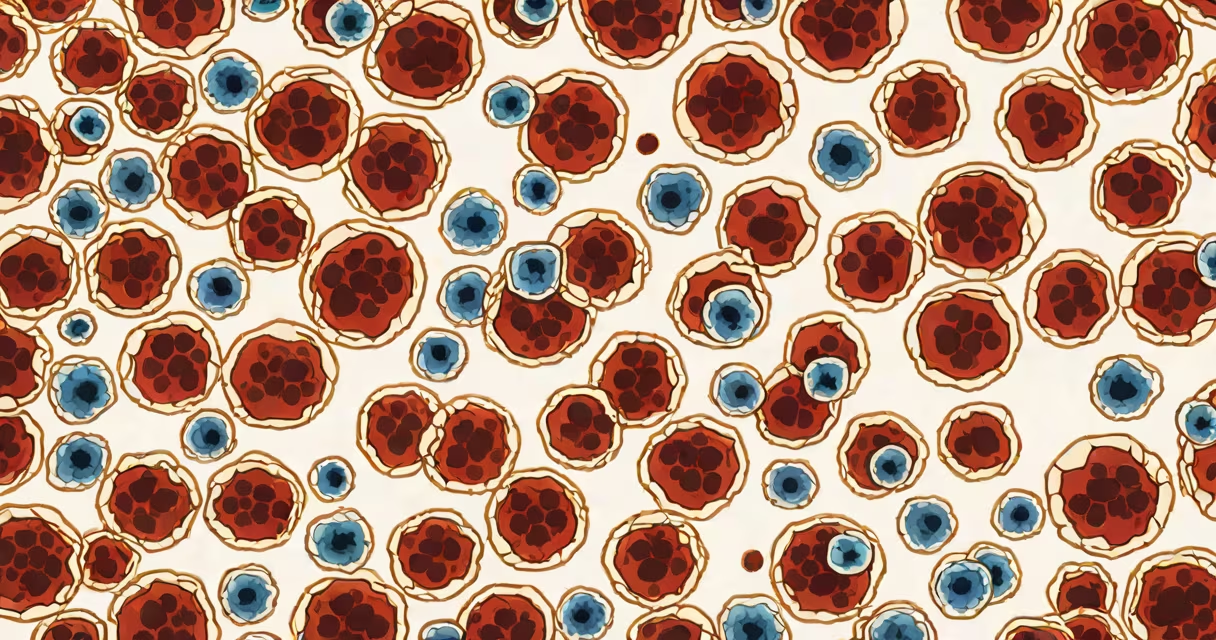
Streptococcus type A, also known as Group A Streptococcus (GAS) or Streptococcus pyogenes, is a bacterium responsible for common infections like strep throat, impetigo, and more severe conditions such as necrotizing fasciitis and rheumatic fever. It spreads through respiratory droplets or skin contact and requires antibiotic treatment to prevent complications.
Group A Streptococcus is a Gram-positive coccus that grows in chains. It produces enzymes like streptolysin O and hyaluronidase that damage host tissues and evade immune responses. The bacterium's M protein surface antigen allows it to resist phagocytosis, contributing to its virulence. Infections range from mild to life-threatening depending on the site of invasion and host immunity.
According to the Centers for Disease Control and Prevention (CDC), Group A Streptococcus causes approximately 700 million infections globally each year, including 16 million cases of pharyngitis and 1.2 million cases of skin infections. The World Health Organization (WHO) notes that untreated infections can lead to post-streptococcal sequelae like acute rheumatic fever, which affects 300,000 people annually, primarily in low-resource settings.
GAS enters the body through mucous membranes in the throat or broken skin. Once established, it multiplies rapidly and releases toxins that cause inflammation, tissue necrosis, and systemic symptoms. The immune system responds with fever, elevated white blood cells, and localized swelling. In some individuals, the immune response cross-reacts with heart or joint tissues, leading to autoimmune complications.
Transmission occurs via close contact with infected individuals, especially in crowded environments like schools or military barracks. An infected person can shed the bacteria for up to 21 days without treatment. The incubation period is typically 2-5 days after exposure. Symptoms usually appear suddenly and include sore throat, fever above 38.3°C (101°F), swollen lymph nodes, and absence of cough.
A 2021 study published in *The Lancet Infectious Diseases* found that GAS strains with specific emm gene types-such as emm1, emm3, and emm12-are associated with higher rates of invasive disease. These strains often carry genes encoding superantigens that trigger massive cytokine release, increasing the risk of toxic shock syndrome.
While all Group A Streptococcus strains share core virulence factors, differences in surface proteins and toxin profiles determine disease severity and presentation. The following table outlines major clinical syndromes linked to GAS:
| Type of Infection | Common Symptoms | Incidence Rate (per 100,000) | Key Risk Factors |
|---|---|---|---|
| Pharyngitis (strep throat) | Sore throat, fever, tonsillar exudate, tender cervical lymphadenopathy | 30-50 | Childhood, winter/spring season, close contact |
| Impetigo | Red sores that rupture and form honey-colored crusts | 10-20 | Warm climate, poor hygiene, skin trauma |
| Necrotizing fasciitis | Severe pain out of proportion to exam, skin discoloration, crepitus | 0.3-0.5 | Diabetes, immunosuppression, recent surgery |
| Rheumatic fever | Polyarthritis, carditis, chorea, erythema marginatum | 0.1-0.5 | Post-infection, genetic predisposition, delayed treatment |
Scarlet fever, once rare, has seen a resurgence in the UK and parts of Europe since 2014. It results from GAS producing erythrogenic toxin, causing a diffuse red rash that feels like sandpaper. The rash fades after 5-7 days, followed by peeling of the skin on fingers and toes-a sign feature.
One non-obvious fact: Not all strep throat cases require antibiotics. The Centor criteria-fever, absence of cough, anterior cervical adenopathy, and tonsillar exudate-help predict likelihood of GAS. If fewer than three criteria are met, testing may be deferred. However, antibiotics are still recommended for confirmed cases to reduce transmission and prevent complications.
Diagnosis begins with a rapid antigen detection test (RADT), which detects GAS antigens in throat swabs within 10 minutes. Sensitivity ranges from 70% to 90%, depending on the brand. A negative RADT should be followed by a throat culture if clinical suspicion remains high. Culture has near 100% sensitivity but takes 24-48 hours.
Treatment involves penicillin V or amoxicillin for 10 days. For penicillin-allergic patients, azithromycin or clarithromycin are alternatives. Failure to complete the full course increases the risk of recurrent infection and post-streptococcal complications. A 2022 CDC report noted that adherence drops below 60% in adolescents due to side effects like nausea and taste disturbance.
I once observed a child with a 4-day history of fever and refusal to eat. The initial RADT was negative, but the clinical picture matched GAS pharyngitis. A follow-up culture confirmed Group A Streptococcus. This case underscores that clinical judgment matters-especially when testing limitations exist.
Preventive measures include hand hygiene, avoiding sharing utensils, and staying home when symptomatic. Schools often exclude students with suspected strep throat until they've completed 24 hours of antibiotics. This reduces community transmission, particularly among children aged 5-15, who have the highest incidence.
Antibiotic stewardship is critical. Overuse contributes to resistance and disrupts normal flora. The American Academy of Pediatrics recommends against treating asymptomatic carriers unless they are part of an outbreak or have a history of complications.
Streptococcus type A remains a significant public health concern. Despite being treatable, delays in diagnosis and incomplete therapy contribute to ongoing morbidity. Awareness of symptoms, accurate testing, and timely treatment are essential to controlling its impact.