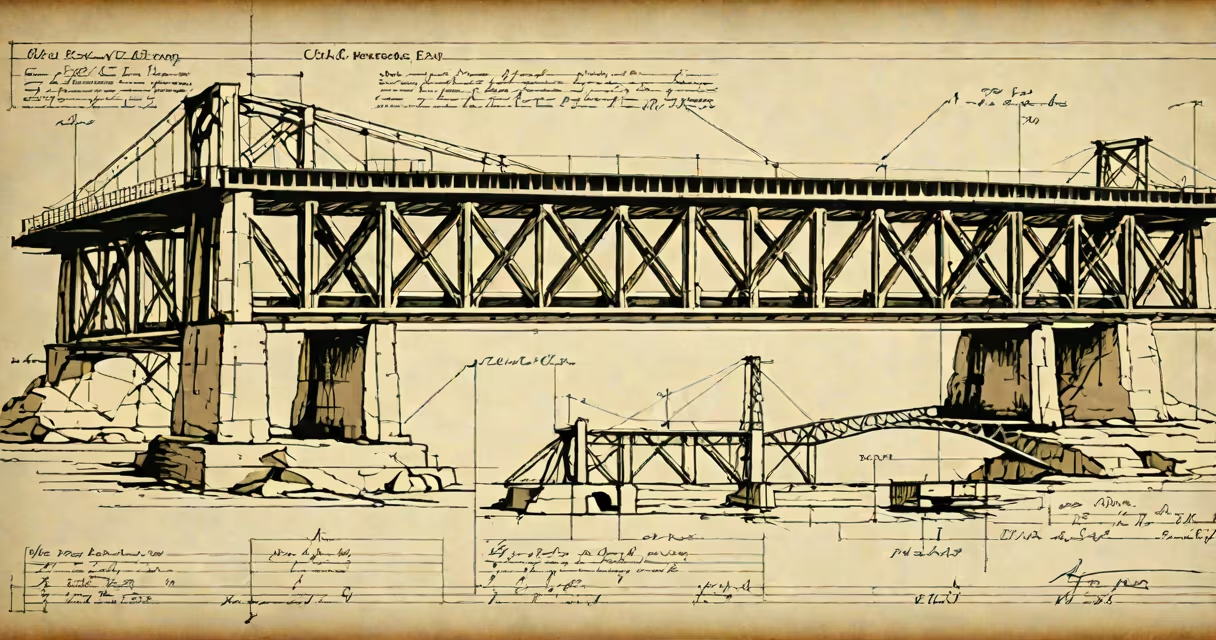
Subjects in be civil engineering refer to the structured academic disciplines taught in undergraduate programs leading to a Bachelor of Civil Engineering degree. These include structural analysis, transportation systems, geotechnical engineering, environmental systems, and construction management, each designed to build technical expertise in planning, designing, and maintaining infrastructure.
Civil engineering education begins with foundational sciences and mathematics. Students study statics, dynamics, and mechanics of materials-core concepts that underlie all structural work. By the second year, they move into specialized topics such as soil behavior, fluid mechanics, and surveying. These subjects form the basis for advanced coursework in design and project execution.
The curriculum integrates theory with hands-on practice. Laboratory sessions, site visits, and capstone projects simulate real-world challenges. For example, a student might analyze load distribution in a steel beam using finite element software, then validate results through physical testing. This blend ensures graduates can apply classroom knowledge to actual construction scenarios.
Each subject in a civil engineering program addresses a distinct phase of infrastructure development. Structural analysis focuses on how buildings and bridges withstand forces like wind, gravity, and seismic activity. Transportation engineering deals with road networks, traffic flow modeling, and sustainable transit solutions. Geotechnical engineering examines soil and rock behavior to ensure stable foundations for structures.
Environmental engineering subjects cover water treatment, stormwater management, and pollution control. Construction management teaches scheduling, budgeting, and safety compliance. These subjects are not isolated-they interlock in real projects. A highway expansion, for instance, requires coordination between transportation planners, structural designers, and environmental assessors.
Here's a breakdown of key subjects and their typical course content:
| Subject | Typical Course Content | Real-World Application |
|---|---|---|
| Structural Analysis | Beam deflection, truss analysis, moment distribution | Designing high-rise frames to resist lateral loads |
| Transportation Engineering | Traffic simulation, pavement design, intersection layout | Optimizing signal timing in urban centers |
| Geotechnical Engineering | Soil classification, bearing capacity, slope stability | Assessing foundation risks in landslide-prone zones |
| Hydraulics and Water Resources | Open-channel flow, flood modeling, reservoir operations | Managing runoff during heavy rainfall events |
These subjects are taught through lectures, problem sets, and lab exercises. A student might spend a week calculating shear forces in a cantilever beam, then test a scaled model under simulated load. Such experiences reinforce theoretical understanding and develop practical judgment.
By the junior year, students often choose electives based on career goals. Common tracks include sustainable infrastructure, urban planning, and construction technology. Some universities offer concentrations in coastal engineering or earthquake-resistant design.
For example, a student interested in resilient cities might take courses in green building standards, life-cycle assessment, and climate adaptation strategies. Another may focus on smart transportation systems, studying sensor integration and real-time traffic monitoring tools.
Electives are not just academic diversions-they prepare students for licensing exams. The Fundamentals of Engineering (FE) exam includes questions drawn from core subjects like thermodynamics and material science. Early exposure to these topics increases pass rates and eases the path to becoming a licensed Professional Engineer (PE).
Many assume civil engineering is limited to road and bridge construction. While those remain central, modern programs emphasize sustainability, digital modeling, and interdisciplinary collaboration. A civil engineer today may work on renewable energy installations, water reuse systems, or urban mobility apps.
Another misconception is that the field relies solely on manual calculations. Modern civil engineering uses computational tools like AutoCAD, Revit, and SAP2000. A student learning structural analysis doesn't just solve equations by hand-they model complex frame systems and run simulations to predict failure modes.
There's also confusion between civil engineering and civil engineering technology. While both deal with infrastructure, the former emphasizes design and theory, the latter focuses on implementation and fieldwork. A civil engineering technologist typically earns a diploma or associate degree and supports engineers in surveying, drafting, and quality control.
I once observed a group of students using drone imagery and photogrammetry software to map a campus drainage system. They combined field data with GIS layers to identify erosion hotspots. That project, which emerged from a senior-level environmental engineering course, demonstrated how subjects in be civil engineering converge in real-world problem solving.
Graduates enter roles ranging from site supervisor to structural designer. Many pursue licensure through the PE exam, which tests knowledge across multiple subjects. The National Council of Examiners for Engineering and Surveying (NCEES) outlines exam content based on the FE and PE syllabi.
For those aiming for research or advanced practice, graduate programs in civil engineering offer specializations in areas like computational mechanics or climate resilience. The American Society of Civil Engineers (ASCE) provides standards and continuing education resources that support professional growth.
For those drawn to hands-on engineering support, what is civil engineering technologist roles offer direct entry into the workforce with targeted training in equipment operation, field measurement, and documentation.
Subjects in be civil engineering are not just academic requirements-they are the building blocks of safe, functional, and enduring infrastructure. From the beams in a stadium to the pipelines beneath a city, these subjects define how communities grow and endure.