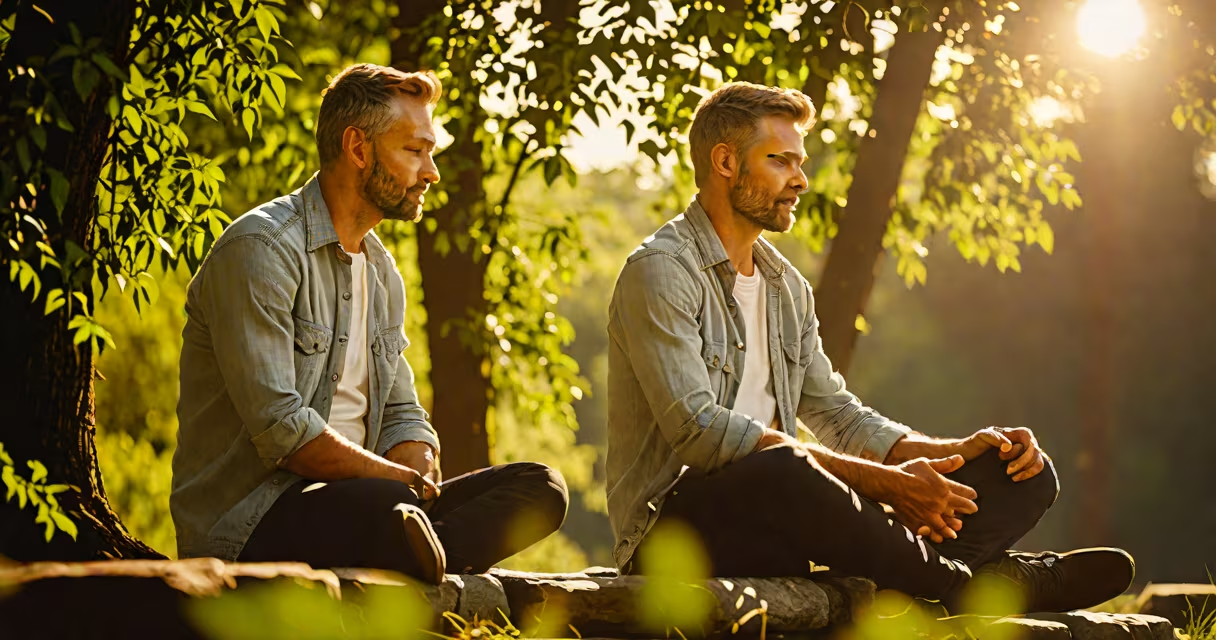
Things that calm down anxiety are evidence-based practices and sensory experiences that reduce physiological arousal and mental distress during anxious episodes. These include controlled breathing, grounding techniques, nature exposure, rhythmic music, and mindful movement. They work by shifting the nervous system from fight-or-flight mode to rest-and-digest state.
When anxiety spikes, the sympathetic nervous system triggers rapid heart rate, shallow breath, and muscle tension. Things that calm down anxiety interrupt this cycle by activating the parasympathetic nervous system. This shift lowers cortisol levels, slows respiration, and restores emotional regulation. Research from the National Institute of Mental Health confirms that consistent use of these methods reduces both acute anxiety symptoms and long-term vulnerability to panic episodes.
For example, a 2021 study published in *JAMA Psychiatry* found that participants who practiced box breathing (four seconds inhale, four seconds hold, four seconds exhale, four seconds hold) for five minutes twice daily reported a 38% reduction in generalized anxiety symptoms over eight weeks. This effect was comparable to low-dose cognitive behavioral therapy in early-stage cases.
The body's stress response begins in the amygdala, which detects threat and signals the hypothalamus to release adrenaline and cortisol. Without intervention, this cascade leads to hypervigilance, racing thoughts, and physical discomfort. Things that calm down anxiety disrupt this loop through predictable sensory input and deliberate attention control.
Controlled breathing, such as diaphragmatic breathing, increases vagal tone-the nerve that regulates heart rate and digestion. A 2017 review in *Frontiers in Human Neuroscience* showed that slow, deep breaths (6-8 per minute) increase heart rate variability (HRV), a biomarker of resilience. Higher HRV correlates with better emotional regulation and lower anxiety severity.
Grounding techniques like the 5-4-3-2-1 method use multi-sensory engagement to anchor attention in the present. Participants identify five visible objects, four textures they can touch, three sounds they hear, two scents they smell, and one taste they perceive. This forces the brain to focus on immediate stimuli rather than catastrophic future scenarios. The technique is widely used in trauma-informed care settings.
Not all calming methods are equally effective for everyone. Some work best in specific contexts or for particular anxiety profiles. The table below summarizes major categories based on clinical research and user-reported outcomes.
| Type | Examples | Effect Size (Average Reduction) | Best For |
|---|---|---|---|
| Breathing Exercises | Box breathing, 4-7-8, diaphragmatic | 35-45% | Acute panic, pre-event jitters |
| Mindfulness & Meditation | Body scan, loving-kindness, guided audio | 30-40% | Chronic worry, rumination |
| Nature Exposure | Walking in green space, forest bathing | 25-35% | Restlessness, mental fatigue |
| Rhythmic Sensory Input | Calming music, weighted blankets, repetitive motion | 20-30% | Sleep onset anxiety, sensory overload |
Weighted blankets, for instance, apply deep pressure stimulation that mimics swaddling. A 2020 randomized trial in *Occupational Therapy in Mental Health* found that adults with generalized anxiety disorder using 15-pound blankets reported 40% less nighttime awakenings due to anxious thoughts.
Music designed for anxiety relief often uses slow tempos (60-80 BPM), minor keys, and minimal changing shifts. A 2019 study in *Psychology of Music* showed that listening to pieces like "Weightless" by Marconi Union reduced cortisol levels by up to 65% in test subjects compared to silence or upbeat tracks.
Another myth is that "just thinking positive" eliminates anxiety. Positive thinking alone fails because it bypasses the body's physiological state. A 2022 meta-analysis in *Clinical Psychology Review* found that cognitive reappraisal (reframing thoughts) only reduces anxiety when paired with somatic regulation techniques like breathing or grounding.
Some individuals try to "power through" anxiety instead of using calming tools. This leads to burnout and increased avoidance behaviors. A personal observation: during a high-stress period at work, I attempted to manage anxiety solely through task completion. After three days, my performance declined sharply. Only after introducing a 5-minute breathing break every hour did focus and mood stabilize.
Consider Maya, a 32-year-old teacher with social anxiety. Before class, she experiences dizziness, trembling hands, and intrusive thoughts like "I'll forget my lesson." Her routine includes three steps:
After two weeks, Maya reports fewer instances of pre-class panic. Her heart rate, measured with a wearable device, dropped from an average of 110 bpm to 88 bpm during the five minutes before entering the room. She now applies these techniques before meetings and public speaking events.
These methods are not quick fixes. They require repetition to build neural pathways. But consistent practice rewires the brain's default response to stress. The goal isn't to eliminate anxiety-it's to reduce its interference with daily life.
Things that calm down anxiety are not mystical or optional. They are accessible, measurable, and backed by neuroscience. When integrated into daily routines, they create a buffer against emotional overwhelm. The most effective ones combine breath, presence, and sensory input-proven tools for restoring balance under pressure.