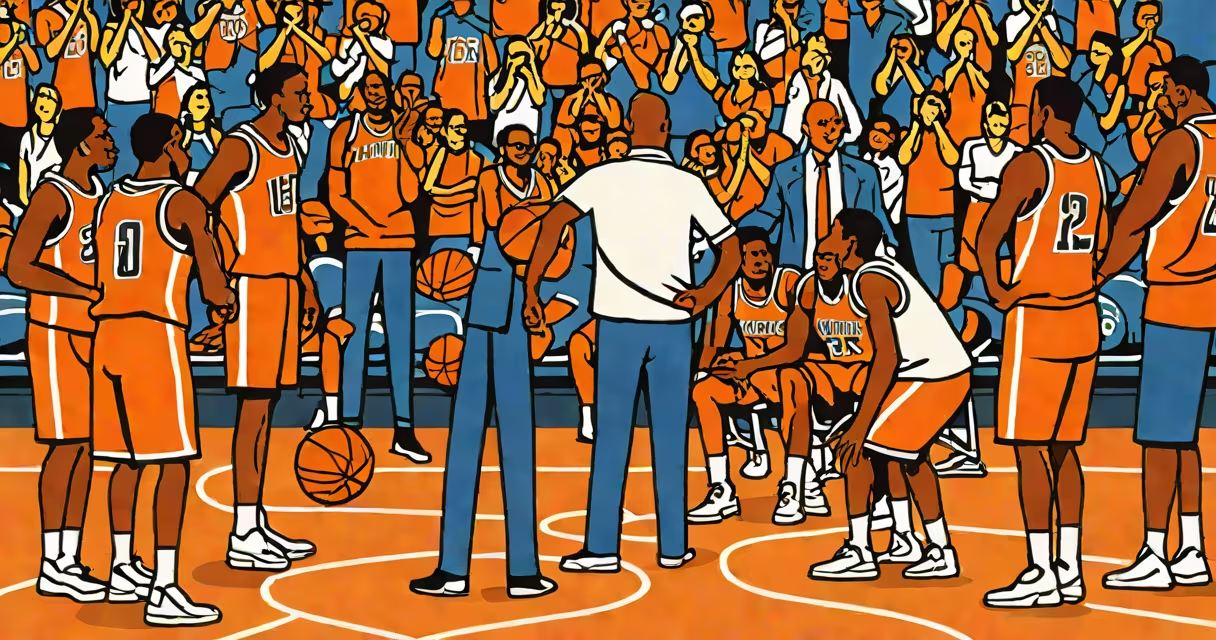
A time out meaning is a temporary pause in an ongoing activity, typically initiated to stop, reflect, or reset behavior, performance, or interaction. It applies in sports, mental health settings, parenting, and personal routines.
In sports, a time out meaning refers to a scheduled break called by a team or official to halt play. In psychology, it describes a deliberate pause used to manage emotions or interrupt maladaptive behaviors. In daily life, it signals a needed break from stress or conflict.
Time out meaning operates on the principle of interruption. By stopping a continuous action, it creates space for reflection, adjustment, or recovery. This pause disrupts momentum-whether physical, emotional, or cognitive-to allow for recalibration.
In competitive sports, a time out meaning is regulated. For example, in American football, each team gets three timeouts per half. Coaches use them to adjust strategy, rest players, or respond to injuries. The NFL's rulebook specifies that timeouts must be requested by the head coach and approved by the referee.
In behavioral therapy, time out meaning is used as a consequence for disruptive actions. A child who throws a toy may be removed from a stimulating environment for a set period-usually one minute per year of age. The goal is not punishment but teaching self-regulation through separation from reinforcement.
Time out meaning varies across domains. The core function remains interruption, but the execution and intent differ.
| Context | Duration | Controlled by | Primary purpose |
|---|---|---|---|
| Sports (e.g., basketball) | 60-120 seconds | Team coaches | Strategy, player rest, injury assessment |
| Parenting (child behavior) | 1-5 minutes | Parent or caregiver | Behavioral correction, emotional regulation |
| Mental health (anxiety management) | 5-15 minutes | Individual or therapist | Emotional reset, grounding, mindfulness |
| Workplace (team meetings) | 5-10 minutes | Facilitator or leader | Focus restoration, conflict de-escalation |
Not all pauses qualify as time out meaning. A brief stretch during a workday is not a time out-it lacks intentionality and structure. A time out meaning requires clear initiation, defined duration, and a purpose beyond mere rest.
One common misunderstanding is equating time out meaning with silence or isolation. While both may occur, they are not synonymous. A time out meaning can involve conversation-such as a therapist-led pause in cognitive-behavioral therapy-or movement, such as a team sprint after a timeout in soccer.
Time out meaning is often mistaken for "timeout" in digital systems-like a server error message. That usage refers to a system failure, not a voluntary pause. The two share spelling but not function.
Another frequent mix-up is confusing time out meaning with "time off." Time off refers to absence from duty, usually paid leave. Time out meaning is a temporary, intentional break within an ongoing process. A worker taking a vacation is on time off. A manager pausing a meeting to address a tense exchange is using time out meaning.
Research from the American Psychological Association confirms that structured time outs improve emotional regulation in children. A 2021 study found that children aged 4-6 who received consistent, brief time outs for tantrums showed a 40% reduction in outbursts over eight weeks compared to those without structured breaks.
Time out meaning is not about punishment. The effectiveness of a time out depends on consistency and follow-up. After the pause, caregivers or leaders should reconnect with the individual to discuss what happened and how to handle it differently next time.
Consider a 5-year-old child who hits their sibling during a board game. The parent responds by saying, "I'm going to give you a time out because hitting isn't okay. You'll sit quietly for five minutes."
The child is moved to a calm corner with no toys. No talking, no eye contact. After five minutes, the parent returns and says, "I see you were upset. Let's talk about how we can take turns without getting angry."
This sequence follows time out meaning: it stops the behavior, provides a pause, and restores connection. The child learns boundaries and emotional control-not fear.
I used this method with my nephew after he repeatedly threw blocks during playtime. After three sessions, his aggression dropped. He began asking for a break himself when frustrated-a sign of internalized regulation.
Time out meaning overlaps with but differs from related ideas. Understanding these differences prevents misuse.
"Meaning of by" often appears in grammar queries. It refers to prepositions indicating location or time. For example, "The book is by the door." This is linguistic, not behavioral. Time out meaning has no relation to grammatical usage.
Time out meaning is a structured pause designed to interrupt, reset, and restore. It is not passive waiting. It is active intervention in behavior, emotion, or performance. Whether in a gym, classroom, or living room, its power lies in clarity, consistency, and follow-through.
When applied correctly, time out meaning supports growth, safety, and focus. Misused, it becomes arbitrary or punitive. The key is intention: define the goal, set the duration, and reconnect afterward.